In the rapidly evolving landscape of industrial automation, precision, reliability, and speed are non-negotiable. Among the myriad of sensing technologies available, laser proximity sensors have emerged as a critical component for applications demanding high accuracy and non-contact measurement. Unlike traditional inductive or capacitive sensors, laser proximity sensors utilize a focused beam of light to detect the presence, absence, or position of an object with exceptional precision, often at ranges extending several meters. This article delves into the operational principles, key advantages, and practical considerations for selecting and implementing off-the-shelf laser proximity sensors, providing a comprehensive resource for engineers and system integrators.
The fundamental working principle of a laser proximity sensor is based on optical triangulation or time-of-flight (ToF) measurement. In the triangulation method, the sensor emits a laser beam onto a target. The reflected light is then focused onto a position-sensitive detector, such as a CCD or PSD. The position of the light spot on this detector shifts proportionally to the distance of the target, allowing for precise distance calculation. This method is ideal for short to medium-range applications requiring micron-level resolution. Conversely, ToF sensors measure the time it takes for a laser pulse to travel to the target and back. Given the constant speed of light, the distance can be calculated with high accuracy. ToF sensors are typically employed for longer ranges, from a few centimeters up to several hundred meters, and are excellent for applications like level monitoring or vehicle detection.
The decision to opt for off-the-shelf, or现货, laser proximity sensors offers significant advantages in terms of project timelines and cost-efficiency. These units are pre-engineered, tested, and certified for a wide array of standard industrial applications. They are available in various form factors, including compact cylindrical housings, rectangular designs, and specialized models for harsh environments. Key specifications to evaluate when selecting a现货 sensor include sensing range, repeatability, response time, output type (e.g., analog 4-20mA, 0-10V, or digital IO-Link, PNP/NPN), and environmental ratings such as IP67 or IP69K for dust and water resistance. Leading manufacturers offer models with integrated background suppression, which allows the sensor to ignore irrelevant objects beyond the set sensing window, a crucial feature for complex material handling tasks.
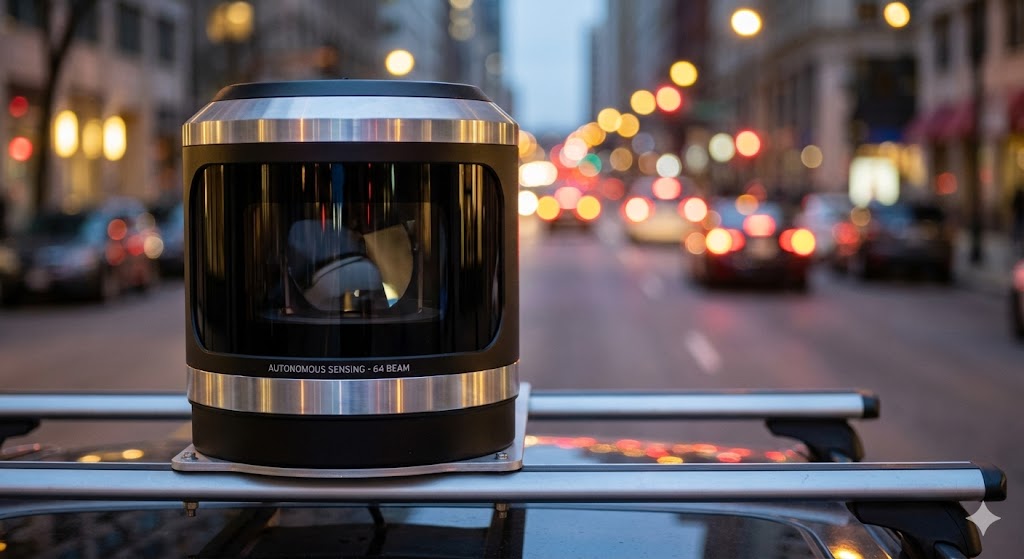
One of the primary benefits of laser technology is its ability to detect a vast range of materials, including metals, plastics, glass, and even transparent films, which can be challenging for other sensor types. The small, focused laser spot enables precise detection of tiny objects or edges, making it indispensable in electronics assembly, packaging machinery, and robotic guidance systems. Furthermore, the high switching frequency and fast response time of laser sensors facilitate their use in high-speed production lines where every millisecond counts.
Implementing an off-the-shelf laser proximity sensor requires careful consideration of the installation environment. Factors such as ambient light, target color and surface finish, vibration, and temperature fluctuations can influence performance. For instance, a highly reflective target might saturate the receiver, while a dark, absorbent surface might return too weak a signal. Many modern现货 sensors come equipped with advanced features like automatic teach-in functions, which simplify setup by allowing the user to program the sensing parameters with a push of a button or via software. Connectivity through IO-Link provides additional benefits, enabling remote parameterization, continuous condition monitoring, and seamless integration into Industry 4.0 data ecosystems for predictive maintenance.
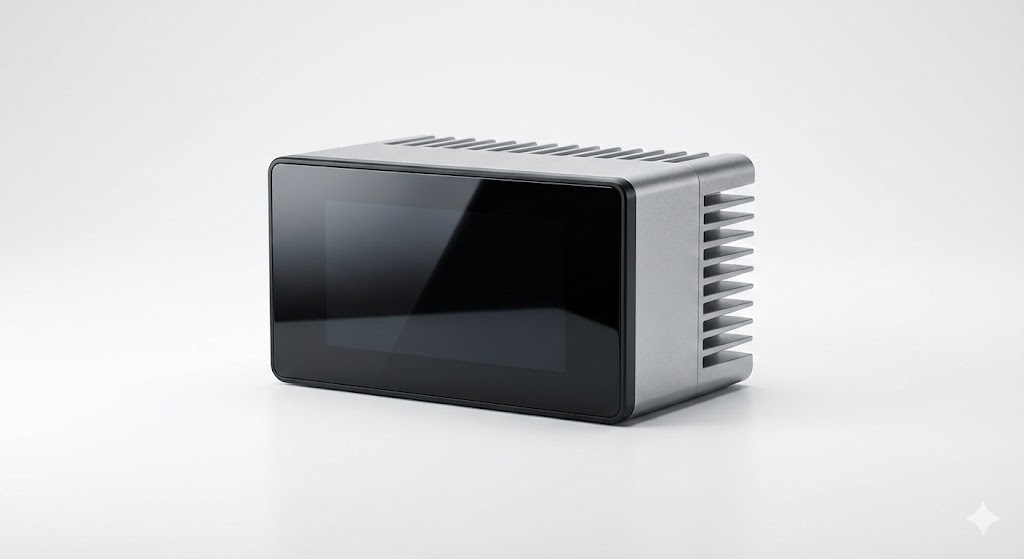
In conclusion, laser proximity sensors represent a versatile and powerful tool in the automation engineer's arsenal. The availability of robust, high-performance off-the-shelf models has dramatically lowered the barrier to entry, allowing for rapid deployment and scalability. By understanding their operating principles and carefully matching sensor specifications to application requirements, professionals can leverage these devices to enhance system accuracy, improve efficiency, and reduce downtime. As automation demands continue to grow in complexity, the role of precise, reliable, and readily available laser sensing solutions will only become more pronounced.