Proximity sensors are ubiquitous in modern technology, silently performing critical tasks in everything from smartphones to industrial assembly lines. But what exactly is the principle behind their operation? At their core, proximity sensors are non-contact devices that detect the presence or absence of an object within a specific range without any physical contact. The underlying principle varies significantly depending on the sensor type, each leveraging different physical phenomena to achieve detection.
The most common principle is based on electromagnetic induction, used in inductive proximity sensors. These sensors contain a coil wound around a ferrite core, which generates an oscillating electromagnetic field. When a metallic object enters this field, eddy currents are induced on the object's surface. These currents draw energy from the sensor's oscillator circuit, causing a measurable change in the oscillation amplitude or frequency. An internal circuit detects this change and triggers a switching signal. This principle makes inductive sensors ideal for detecting metals, and they are largely unaffected by non-metallic materials like dust, dirt, or liquids.
For detecting non-metallic objects, including liquids, plastics, and wood, capacitive proximity sensors are employed. Their operating principle is similar to that of a capacitor. The sensor's active surface acts as one plate of a capacitor, with the target object acting as the other plate, and the air gap as the dielectric. The sensor generates an electrostatic field. When an object enters this field, it alters the capacitance of the system. The sensor's circuitry is tuned to a specific threshold; when the capacitance change exceeds this threshold, it triggers an output signal. These sensors can even detect materials through thin non-metallic walls.
Another widely used principle, especially in consumer electronics, is based on infrared (IR) light. These optical or photoelectric proximity sensors consist of an IR LED emitter and a photodetector (like a phototransistor). The emitter constantly sends out a beam of infrared light. In one common method, the "diffuse" or "reflective" mode, the sensor detects the presence of an object by measuring the amount of light reflected back to the receiver. When an object is close, a significant amount of light is reflected, signaling detection. This is the principle used when your smartphone screen turns off during a phone call. More precise versions use a separate, constantly active emitter and receiver pair; an object is detected when it interrupts the light beam between them.
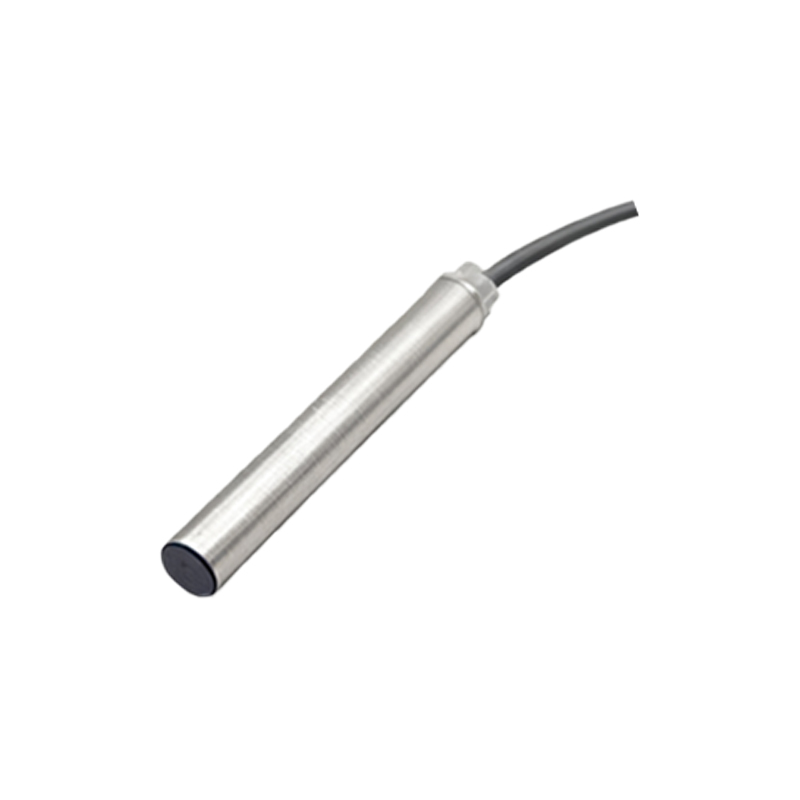
Ultrasonic proximity sensors operate on a principle akin to sonar. They emit high-frequency sound waves (inaudible to humans) and then listen for the echo. A piezoelectric transducer generates the ultrasonic pulse and later receives the reflected wave. An internal timer measures the time interval between the emission and the reception of the echo. Since the speed of sound in air is known, the distance to the object can be calculated precisely using the formula: Distance = (Speed of Sound × Time of Flight) / 2. This principle allows for accurate distance measurement and works on a wide variety of materials, regardless of color or transparency, though it can be affected by temperature, humidity, and soft, sound-absorbing surfaces.
Magnetic proximity sensors, or reed switches, work on a simple magnetic principle. They contain two ferromagnetic reeds sealed in a glass tube filled with inert gas. When a permanent magnet approaches, the reeds become magnetized and attract each other, making contact and closing the circuit. When the magnet moves away, the reeds spring apart, breaking the circuit. These are extremely reliable for detecting the position of doors or moving parts with an attached magnet.
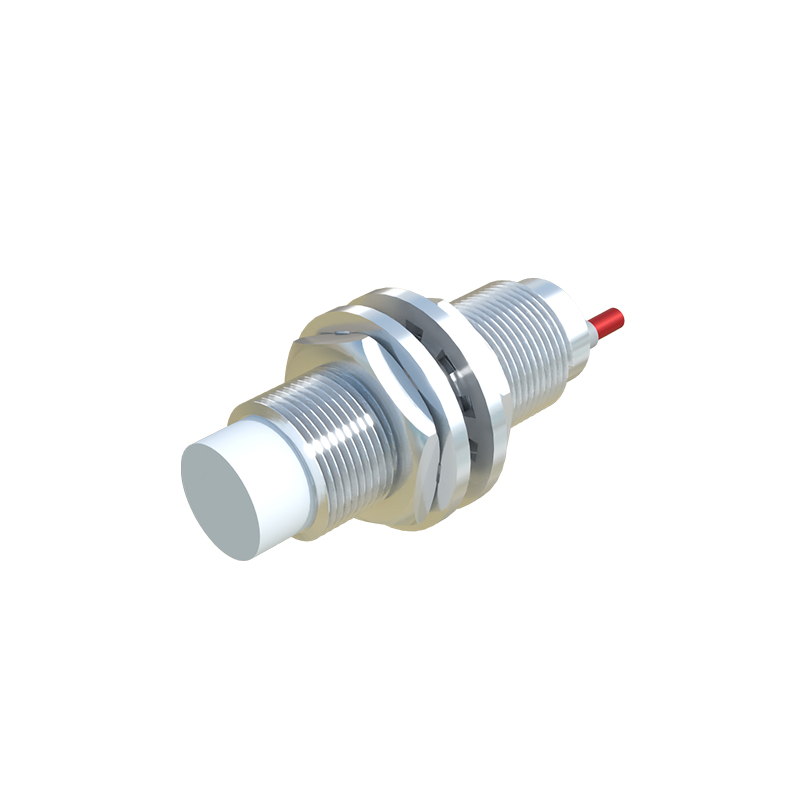
The choice of principle dictates the sensor's characteristics. Inductive sensors are robust and precise for metals. Capacitive sensors are versatile for various materials. Optical sensors offer fast response and are good for small objects. Ultrasonic sensors provide excellent range and are material-independent. Magnetic sensors are simple and low-power.
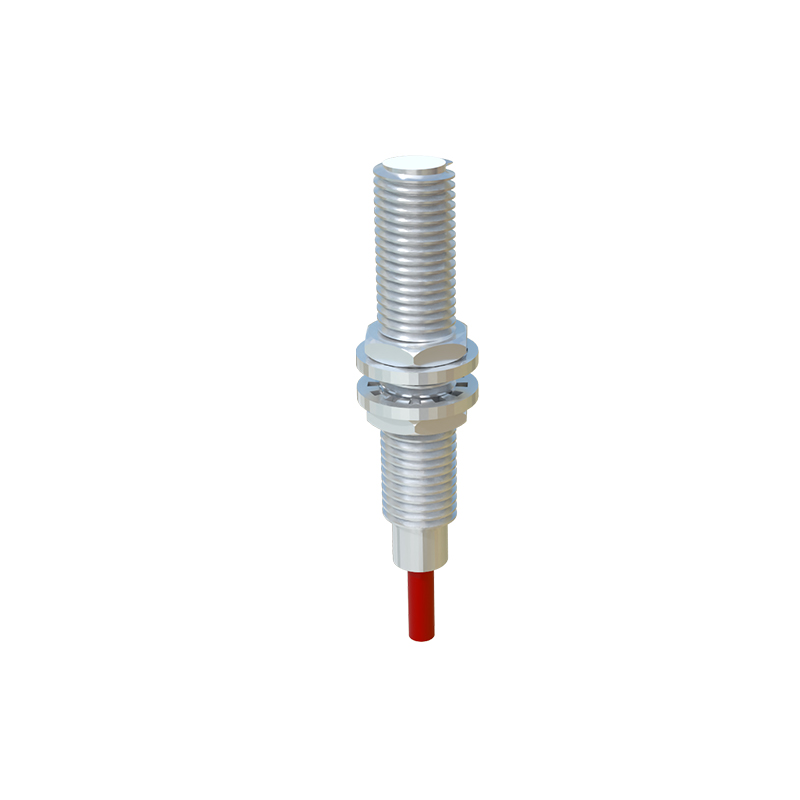
Understanding these fundamental principles is key to selecting the right sensor for an application. In industrial automation, inductive sensors count metal parts on a conveyor. Capacitive sensors monitor fluid levels in tanks. In consumer devices, IR sensors manage display power and enable touchless gestures. Ultrasonic sensors enable parking assist systems in vehicles. By harnessing these basic principles of physics—electromagnetism, capacitance, light, sound, and magnetism—proximity sensors provide the essential "sense of touch" for machines, enabling automation, safety, and enhanced user interaction across countless domains.