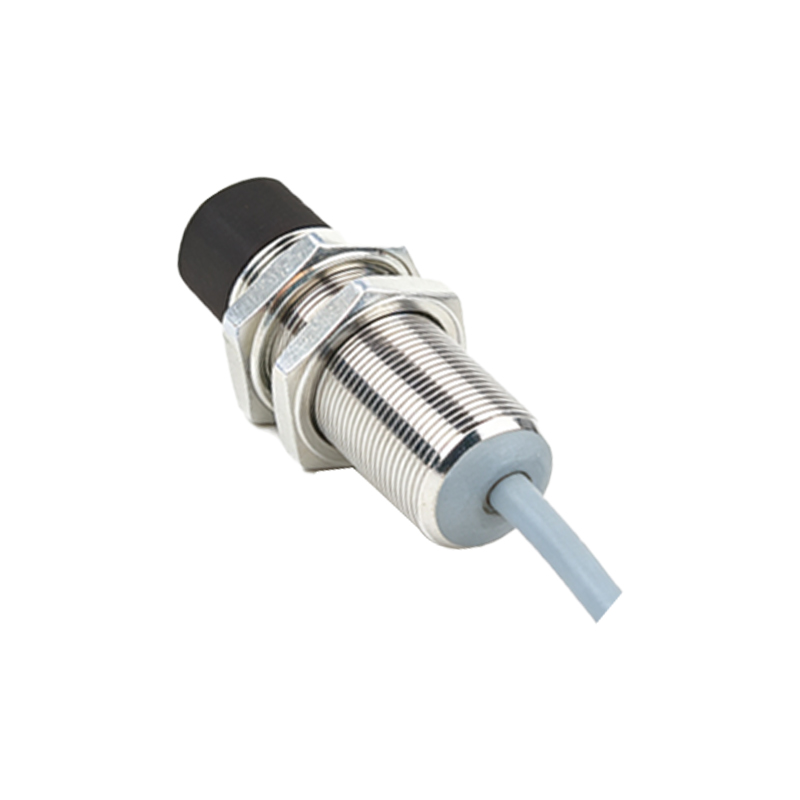
In the rapidly evolving landscape of industrial automation, proximity sensors have become indispensable components, enabling precise detection, positioning, and control without physical contact. Selecting the right proximity sensor supplier is a critical decision that impacts not only the immediate performance of machinery but also long-term operational efficiency, maintenance costs, and system reliability. As an experienced electrical engineer, I have witnessed firsthand how the choice of supplier can make or break an automation project. This article aims to provide a comprehensive guide to evaluating and selecting proximity sensor suppliers, focusing on key technical and commercial considerations.
First and foremost, technical capability is the cornerstone of any reputable supplier. A top-tier proximity sensor manufacturer should offer a diverse portfolio that includes inductive, capacitive, ultrasonic, and photoelectric sensors, each designed for specific applications and environmental challenges. For instance, inductive sensors are ideal for detecting metallic objects in harsh industrial settings, while capacitive sensors can handle non-metallic materials like plastics or liquids. The supplier’s ability to provide detailed technical specifications—such as sensing range, response time, operating temperature, and ingress protection (IP) ratings—is non-negotiable. Engineers should look for suppliers who invest in research and development, ensuring their products incorporate the latest advancements in miniaturization, energy efficiency, and noise immunity. Additionally, customization options are crucial for specialized applications; a supplier willing to collaborate on tailored solutions demonstrates both expertise and customer commitment.
Beyond product quality, reliability and support services are equally vital. In industrial environments, downtime translates directly to financial loss. Therefore, a supplier’s track record for product durability and consistency must be scrutinized. This can be assessed through certifications like ISO 9001 for quality management or specific industry standards (e.g., ATEX for explosive atmospheres). Moreover, global supply chain resilience has become a pressing concern post-pandemic. A supplier with robust manufacturing and distribution networks can mitigate risks of delays or shortages. Technical support is another critical factor: does the supplier provide comprehensive documentation, application engineering assistance, and responsive after-sales service? Engineers should prioritize suppliers who offer online resources, training modules, and readily accessible support teams to troubleshoot issues swiftly.
Cost considerations, while important, should not be the sole deciding factor. Instead, engineers must evaluate the total cost of ownership (TCO), which includes initial purchase price, installation expenses, maintenance requirements, and potential lifecycle extensions. A cheaper sensor might save upfront costs but lead to frequent replacements or system failures, incurring higher long-term expenses. Suppliers who emphasize value engineering—optimizing design for cost-effectiveness without compromising performance—are often preferable. Requesting samples for testing in real-world conditions can provide insights into actual performance and durability, helping to justify investment decisions. Additionally, consider the supplier’s flexibility in pricing models, such as volume discounts or long-term contracts, which can enhance budget predictability.
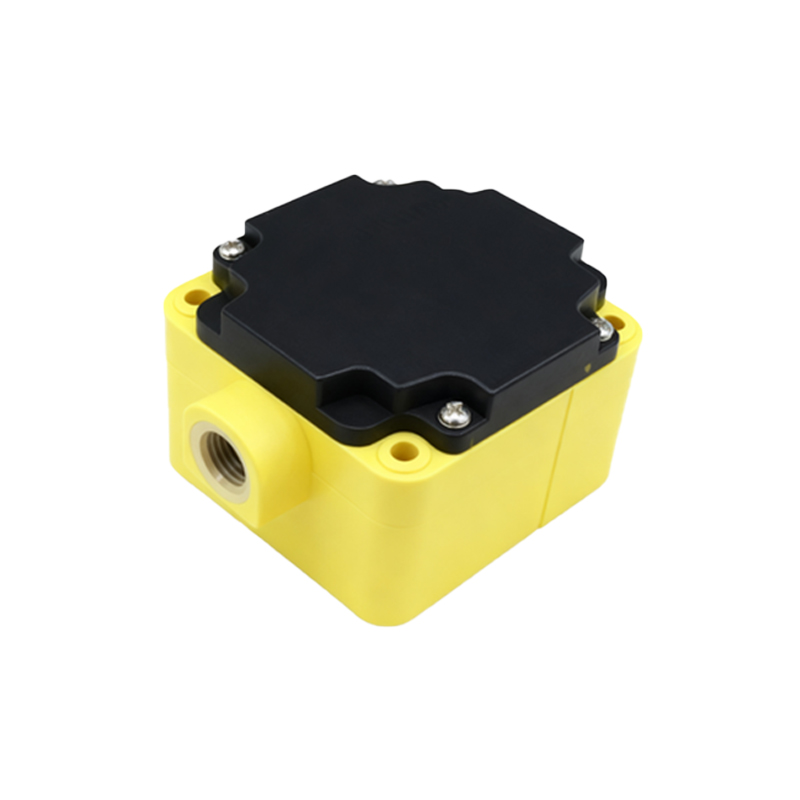
Finally, industry reputation and partnerships offer valuable insights. Seek feedback from peers, review case studies, and examine the supplier’s clientele—do they serve leading companies in your sector? A supplier with proven experience in automotive, packaging, material handling, or robotics, for example, will understand the unique demands of those fields. Sustainability is also gaining prominence; suppliers committed to eco-friendly practices, such as reducing hazardous materials or offering recycling programs, align with modern corporate responsibility goals. In summary, selecting a proximity sensor supplier requires a balanced approach, weighing technical excellence, reliability, support, cost-effectiveness, and industry alignment. By conducting thorough due diligence, engineers can forge partnerships that drive innovation and efficiency in their automation projects.
As technology advances, trends like Industry 4.0 and the Industrial Internet of Things (IIoT) are reshaping sensor requirements, with increased demand for smart sensors featuring IO-Link connectivity or embedded diagnostics. Forward-thinking suppliers are already integrating these capabilities, positioning themselves as strategic partners rather than mere vendors. Ultimately, the right supplier not only provides high-quality proximity sensors but also contributes to your operational success through knowledge sharing and adaptive solutions.