In the realm of industrial automation and control systems, proximity sensors stand as critical components for non-contact detection, ensuring precision, reliability, and efficiency. Among the prominent manufacturers in this field, LUGONG has established a strong reputation for producing high-quality proximity switches that cater to diverse industrial needs. This article delves into the technology behind LUGONG proximity sensors, their key features, typical applications, and essential factors for selection, providing a thorough understanding for engineers and procurement specialists.
LUGONG proximity sensors are primarily based on inductive, capacitive, and sometimes magnetic principles, designed to detect the presence or absence of metallic or non-metallic objects without physical contact. Inductive sensors, the most common type from LUGONG, generate an electromagnetic field. When a metallic object enters this field, it causes a change in oscillation amplitude, which the sensor detects and converts into an electrical output signal. These sensors are renowned for their robustness, high switching frequency, and immunity to environmental factors like dust, oil, and moisture, making them ideal for harsh manufacturing environments such as automotive assembly lines, metal machining, and material handling systems.
Capacitive proximity sensors from LUGONG operate by detecting changes in capacitance caused by the presence of any material, including liquids, plastics, or granular substances. They are versatile and used in applications like level detection in tanks, packaging lines for non-metallic materials, and presence sensing of glass or wood. LUGONG engineers these sensors with adjustable sensitivity, allowing fine-tuning for specific materials and reducing false triggers.
Key features that distinguish LUGONG proximity switches include their durable housing, often made of stainless steel or nickel-plated brass, ensuring resistance to mechanical stress and corrosion. Many models offer short-circuit and overload protection, reverse polarity protection, and LED status indicators for easy diagnostics. LUGONG sensors are available in various form factors, such as cylindrical, rectangular, and slot types, with sensing ranges tailored to specific applications. For instance, shielded models provide flush mounting capabilities in metal, while unshielded versions offer longer sensing distances.
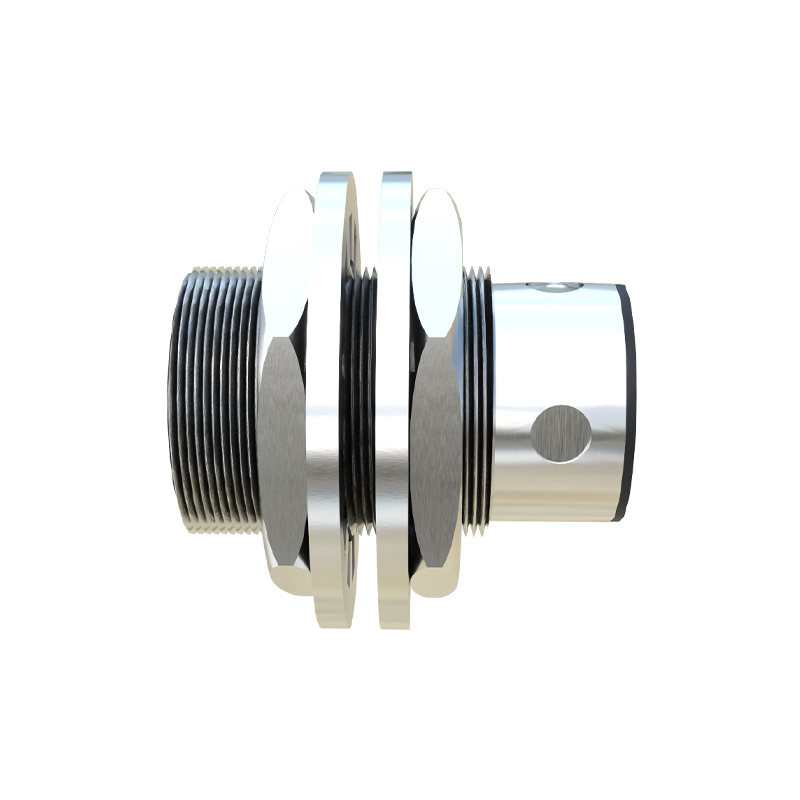
In practical applications, LUGONG proximity sensors are deployed across numerous industries. In automotive manufacturing, they monitor position of robotic arms, detect parts on conveyor belts, and ensure safety in press machines. In food and beverage processing, capacitive sensors check fill levels in containers, while inductive sensors count metallic packages. The logistics sector utilizes these sensors for sorting systems and palletizing robots, enhancing operational speed and accuracy. Moreover, LUGONG sensors contribute to energy efficiency by enabling precise control, reducing waste and downtime.
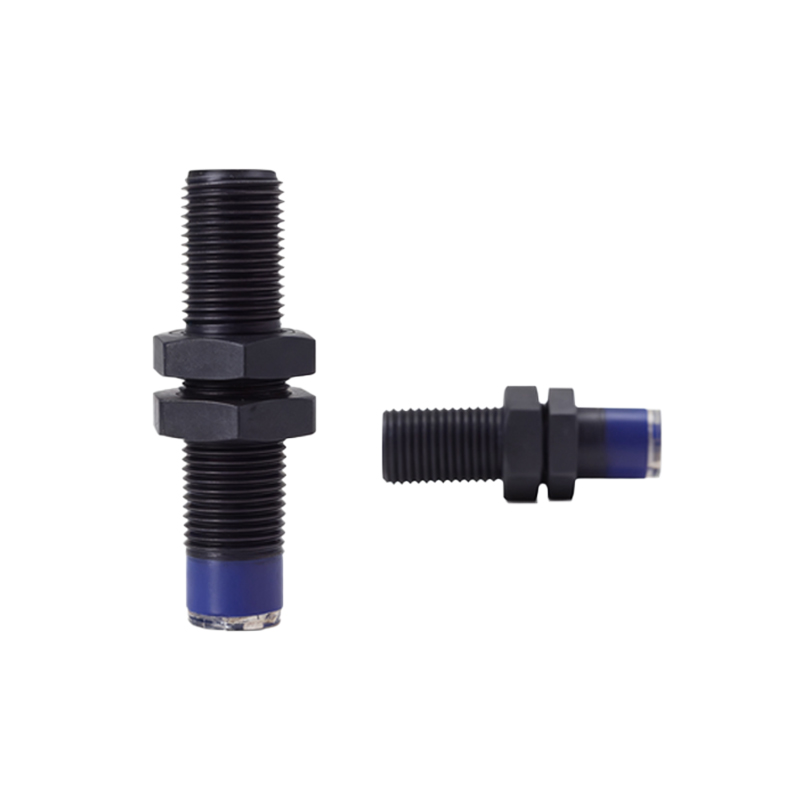
When selecting a LUGONG proximity sensor, several factors must be considered to ensure optimal performance. First, determine the object material—inductive sensors for metals, capacitive for non-metals. Next, assess the required sensing distance, which should account for installation conditions and target size. Environmental conditions are crucial; for high-temperature areas, choose models with extended temperature ranges, and for wet or corrosive settings, opt for sensors with high IP ratings (e.g., IP67 or IP69K). Output type is another key decision: NPN or PNP transistor outputs interface with PLCs, while analog outputs provide continuous measurement data. Additionally, consider electrical specifications like supply voltage and current rating to match the control system.
Installation and maintenance practices significantly impact sensor longevity. Proper mounting, alignment, and wiring per LUGONG guidelines prevent issues like false detection or damage. Regular cleaning of the sensing face avoids buildup that could impair functionality. LUGONG provides comprehensive datasheets and support to facilitate correct implementation.
In conclusion, LUGONG proximity sensors represent a blend of advanced technology and practical design, offering reliable solutions for modern industrial automation. By understanding their operating principles, features, and application contexts, professionals can leverage these devices to enhance system performance, safety, and productivity. As industries evolve towards smarter automation, the role of precise sensing components like those from LUGONG will only grow in importance, driving innovation and efficiency in manufacturing and beyond.
