In the rapidly evolving landscape of industrial automation, proximity sensors stand as critical components for enhancing efficiency, safety, and precision in manufacturing and machinery operations. As a seasoned electrical engineer with extensive experience in the export sector, I am here to guide you through the essential considerations when selecting high-quality proximity sensors for international markets. This article delves into the key features, applications, and benefits of these sensors, ensuring you make an informed purchasing decision that aligns with global standards and operational demands.
Proximity sensors are non-contact devices designed to detect the presence or absence of objects within a specified range without physical interaction. They are widely utilized in various industries, including automotive, packaging, material handling, and robotics, due to their reliability and durability. When choosing sensors for export, it is crucial to prioritize models that comply with international certifications such as CE, RoHS, and UL, which guarantee safety, environmental compliance, and performance consistency across different regions. These certifications not only facilitate smoother customs clearance but also build trust with end-users by adhering to stringent quality benchmarks.
One of the primary advantages of proximity sensors is their ability to operate in harsh environments, resisting factors like dust, moisture, and extreme temperatures. For export-oriented applications, selecting sensors with robust housing materials, such as stainless steel or nickel-plated brass, ensures longevity and minimal maintenance. Additionally, consider the sensing technology—inductive, capacitive, or magnetic—based on your specific needs. Inductive sensors are ideal for detecting metallic objects, while capacitive variants can sense non-metallic materials, making them versatile for diverse industrial setups.
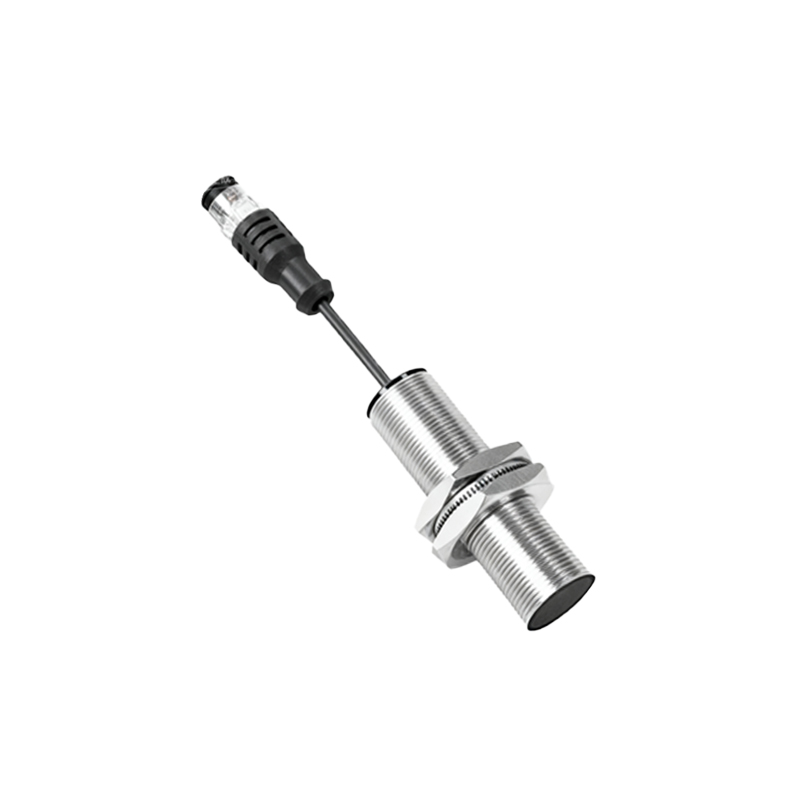
In terms of performance, key parameters to evaluate include sensing distance, response time, and output type (e.g., NPN, PNP, or analog). For export markets, it is advisable to opt for sensors with adjustable settings and easy integration capabilities, allowing seamless adaptation to various control systems like PLCs (Programmable Logic Controllers). This flexibility reduces installation time and costs, enhancing overall productivity. Moreover, look for features like short-circuit protection and reverse polarity protection, which safeguard against electrical faults and extend the sensor's lifespan in demanding operations.
From an engineering perspective, the design and manufacturing process of proximity sensors play a pivotal role in their export suitability. Partnering with suppliers who employ advanced production techniques and rigorous testing protocols ensures consistent quality and reliability. For instance, sensors with IP67 or higher ingress protection ratings are recommended for applications exposed to liquids or contaminants, common in industries like food processing or outdoor machinery. By prioritizing these aspects, you can minimize downtime and maximize return on investment for your clients worldwide.
In conclusion, selecting the right proximity sensors for export involves a comprehensive assessment of technical specifications, compliance standards, and environmental adaptability. As you explore options, remember that investing in premium sensors not only boosts operational efficiency but also reinforces your reputation as a provider of top-tier automation solutions. For tailored recommendations or further technical assistance, feel free to reach out—our expertise is here to support your global ventures with cutting-edge sensor technology.