In today's automated world, proximity sensors are the silent workhorses behind countless applications. From ensuring your smartphone screen turns off when held to your ear, to enabling complex industrial robotics and enhancing vehicle safety systems, these devices detect the presence or absence of nearby objects without physical contact. If you're asking, "Where can I buy proximity sensors?" the answer is more nuanced than a simple store name. The purchasing journey depends heavily on your specific needs, volume, and technical expertise. This guide will navigate you through the primary purchasing channels, highlighting their pros and cons to help you make an informed decision.
The first and most common destination for many is online marketplaces and broad electronics retailers. Giants like Amazon, Digi-Key, Mouser, and RS Components offer vast inventories. These platforms are excellent for prototyping, small-batch purchases, or replacement of existing sensors. Key advantages include immediate price comparison, detailed product specifications, user reviews, and fast shipping options. You can find sensors from hundreds of manufacturers like Omron, Schneider Electric, Sick, or Pepperl+Fuchs. However, the sheer volume of choices can be overwhelming. Without proper technical knowledge, selecting the wrong type—be it inductive, capacitive, ultrasonic, or photoelectric—for your application is a real risk. These sites are ideal if you know the exact part number or have clear specifications.
For original equipment manufacturers (OEMs) or large-scale industrial projects, purchasing directly from manufacturers or their authorized distributors is often the best path. Companies like Balluff, Turck, ifm efector, and Banner Engineering have extensive global distributor networks. Buying through these official channels guarantees product authenticity, full manufacturer warranties, and access to complete technical documentation. More importantly, it provides direct line to application engineers and technical support teams who can assist with selection, integration, and troubleshooting. This is crucial for complex installations where environmental factors like temperature, moisture, or target material affect performance. While minimum order quantities (MOQs) might apply, pricing becomes significantly more favorable for volume orders.
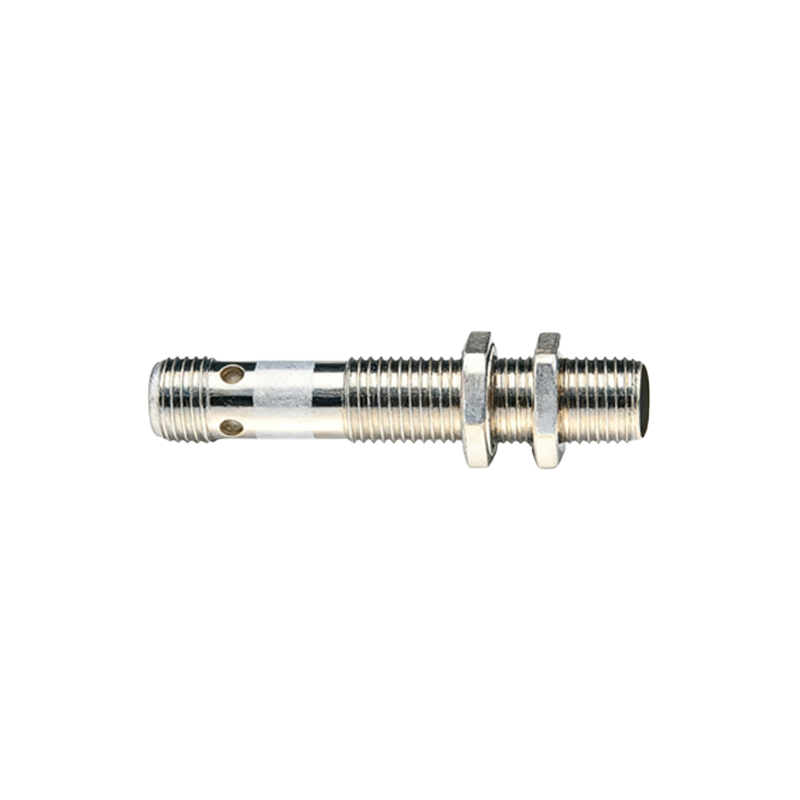
Specialist industrial automation suppliers represent another vital channel. These suppliers cater specifically to factory automation, packaging, automotive, and material handling sectors. They often carry a curated selection of sensors from multiple top-tier brands. Their value lies in deep domain expertise; their sales engineers understand industrial environments and can recommend solutions for challenging detection tasks—like sensing transparent glass bottles or small metal fasteners on a high-speed conveyor. They provide a more personalized service than a general online catalog and can often arrange for product demos or samples. Local industrial supply houses fall into this category, offering the benefit of local stock and in-person consultation.
For developers, hobbyists, and educational purposes, the landscape shifts slightly. Platforms like Adafruit, SparkFun, and Seeed Studio offer a range of simpler, often board-mounted proximity sensors designed for integration with Arduino, Raspberry Pi, and other microcontrollers. These sensors are typically lower in cost and come with tutorials, code libraries, and community forums. They are perfect for learning, proof-of-concept projects, and small-scale creative applications. While not designed for harsh industrial 24/7 operation, they provide an accessible entry point into sensing technology.
Before you click "buy," critically define your requirements. What is the sensing range? What material is the target object (metal, plastic, liquid)? What is the required output signal (digital NPN/PNP, analog, IO-Link)? What are the environmental conditions (IP rating, temperature extremes)? Understanding these parameters will filter out unsuitable options and guide you to the correct channel. Always request samples for testing in your actual application whenever possible. A sensor that works perfectly on a test bench might fail in the dynamic, noisy environment of a real production line.
In conclusion, the question of where to buy proximity sensors has multiple correct answers. For one-off projects and fast delivery, major online retailers are unbeatable. For volume production and guaranteed reliability, manufacturer-authorized distributors are essential. For specialized industrial advice, turn to automation specialists. And for prototyping and education, hobbyist-focused platforms are ideal. By aligning your purchase source with your project's scale, complexity, and required support level, you ensure not just a transaction, but a successful integration that adds value and efficiency to your system.