In the modern world, monitoring and controlling air quality has become paramount for health, safety, and environmental protection. At the forefront of this technological endeavor is the laser particle sensor, a sophisticated device that has revolutionized our ability to detect and quantify particulate matter (PM) in real-time. Unlike older gravimetric methods that required lengthy sample collection and laboratory analysis, laser particle sensors offer instantaneous, on-site measurements with remarkable precision.
The core operating principle of a laser particle sensor is based on light scattering, specifically a technique known as laser diffraction or light obscuration. Inside the sensor, a controlled airflow carries particles through a small, focused laser beam. As each particle passes through this beam, it scatters the laser light in various directions. A strategically placed photodetector, positioned at a specific angle (often 90 degrees), captures this scattered light. The intensity of the scattered light pulse is directly proportional to the size of the particle. By analyzing the amplitude and frequency of these light pulses, the sensor's onboard microprocessor can calculate both the concentration (number of particles per unit volume) and the size distribution of the particles, typically categorized as PM1.0, PM2.5, and PM10.
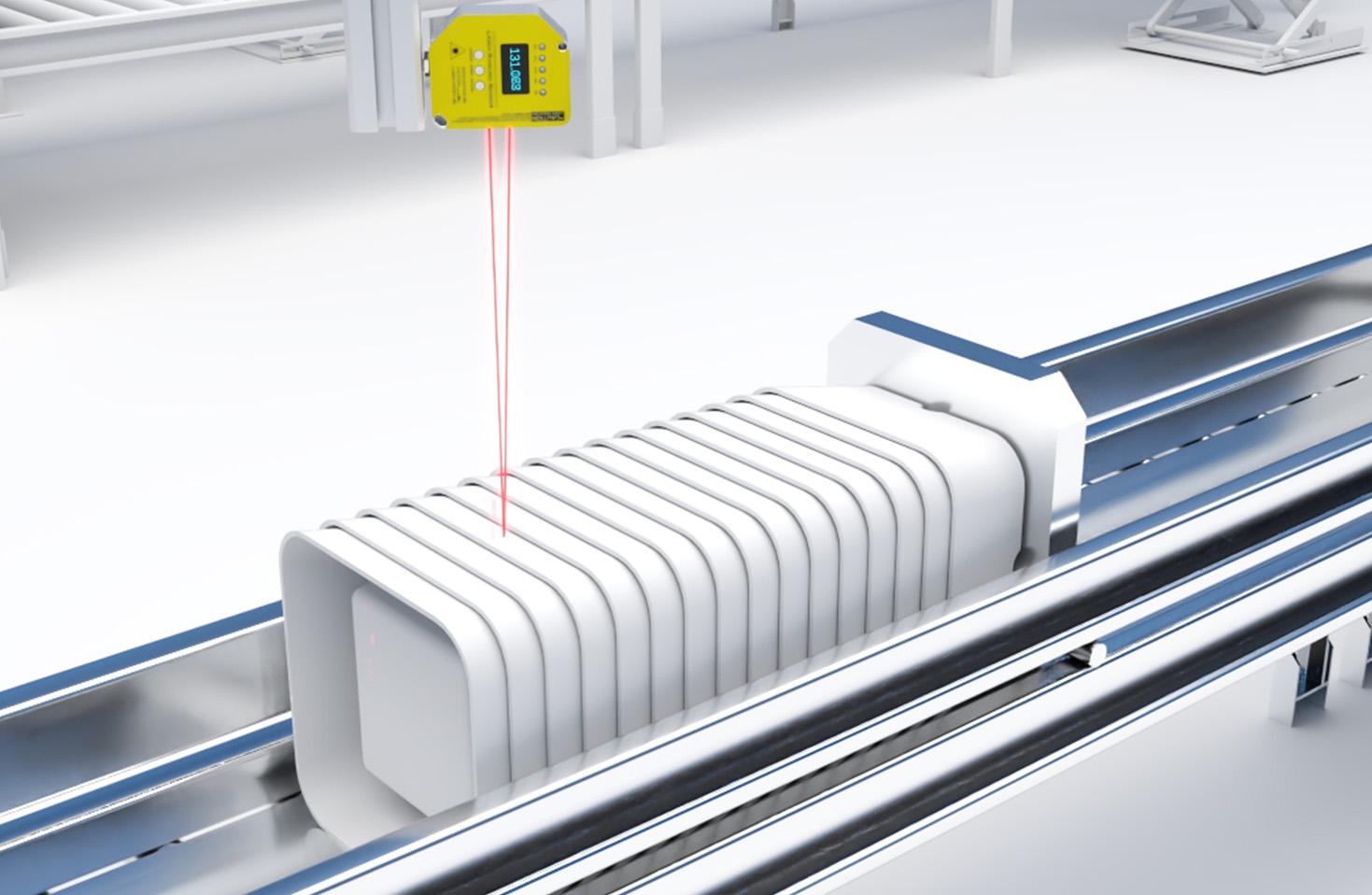
This technology offers several distinct advantages. The primary benefit is speed and real-time capability, providing continuous data streams essential for dynamic environments. Modern sensors are also highly compact, enabling integration into portable devices, wearable tech, and building HVAC systems. Furthermore, they are relatively low-maintenance compared to filter-based systems, though periodic cleaning is recommended to ensure accuracy. The data output is digital, allowing for seamless integration with Internet of Things (IoT) platforms, smart home systems, and large-scale environmental monitoring networks.
The applications of laser particle sensors are vast and growing. In consumer electronics, they are now commonplace in smart air purifiers, providing automatic feedback to adjust fan speed based on detected pollution levels. They are integral to wearable personal air quality monitors, empowering individuals to track their exposure. In industrial settings, these sensors are critical for monitoring workplace safety, ensuring compliance with occupational exposure limits for dust in factories, mines, and construction sites. Environmental agencies deploy networks of these sensors across cities to create detailed pollution maps and issue public health advisories. They also play a vital role in cleanroom validation for semiconductor manufacturing and pharmaceutical production, where even minuscule particles can cause catastrophic product defects.

However, the technology is not without its limitations and challenges. The accuracy of a laser particle sensor can be influenced by environmental factors such as high humidity, which can cause hygroscopic particles to appear larger than they are. The refractive index of the particle material also affects scattering, meaning the sensor is typically calibrated for common types of dust or smoke and may be less accurate for unusual materials. Very high concentrations can lead to coincidence error, where multiple particles in the beam are counted as one. Therefore, while excellent for trend analysis and real-time alerts, laser particle sensors are often used alongside reference-grade instruments for official regulatory measurements.
Looking ahead, the future of laser particle sensing is geared towards greater miniaturization, lower power consumption, and enhanced intelligence. Researchers are working on sensors that can not only count and size particles but also identify their chemical composition using advanced spectroscopic techniques. Integration with artificial intelligence will enable predictive analytics, forecasting pollution spikes based on sensor data and meteorological models. As costs continue to decrease, their deployment will become even more ubiquitous, from every vehicle monitoring cabin air to dense urban sensor grids providing hyper-local air quality data.
In conclusion, the laser particle sensor is a transformative tool that has made invisible airborne threats visible and quantifiable. By converting the physical phenomenon of light scattering into precise digital data, it provides the essential foundation for informed decision-making—from protecting personal health to managing industrial processes and safeguarding public environments. As technology evolves, these sensors will become even more accurate, affordable, and interconnected, solidifying their role as a cornerstone of our data-driven approach to a cleaner, healthier atmosphere.