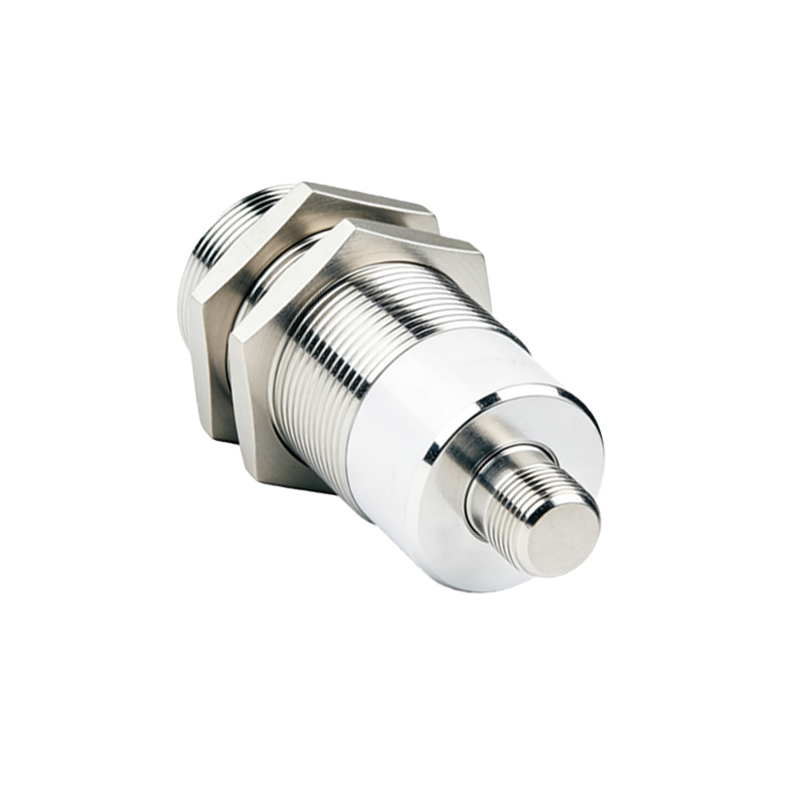
Fiber optic proximity sensors are non-contact sensing devices that detect the presence or absence of an object using light transmitted through optical fibers. These sensors operate based on the principle of light modulation, where the properties of light—such as intensity, phase, or wavelength—are altered by the target object. The core components include a light source (typically an LED or laser diode), optical fibers for light transmission, a sensing head, and a photodetector with signal processing circuitry.
There are two primary types of fiber optic proximity sensors: through-beam and reflective. In through-beam sensors, the light source and detector are placed opposite each other, with the object interrupting the light beam to trigger detection. Reflective sensors, more common in industrial settings, have both the light source and detector in the same housing. Light emitted from the source travels through the fiber to the sensing head, reflects off the target object, and returns via the same or a separate fiber to the photodetector. The intensity of the reflected light changes based on the object's distance, surface properties, and color, allowing the sensor to determine proximity.
Key advantages of fiber optic proximity sensors include immunity to electromagnetic interference (EMI), suitability for harsh environments (extreme temperatures, corrosive chemicals, or high vibration), and high precision for small or delicate objects. They are widely used in manufacturing automation, robotics, semiconductor processing, and medical devices. For instance, in automated assembly lines, these sensors detect minute components without physical contact, preventing damage. In hazardous areas with explosive atmospheres, their non-electrical nature enhances safety.
The working mechanism involves modulating light signals. When an object enters the sensing range, it affects the light reflection or transmission, causing a measurable change in the photodetector's output. Advanced sensors use digital signal processing to filter noise and improve accuracy, with some models offering adjustable sensitivity for different materials. Maintenance is minimal due to the lack of moving parts, though periodic cleaning of the fiber ends is recommended to prevent contamination.
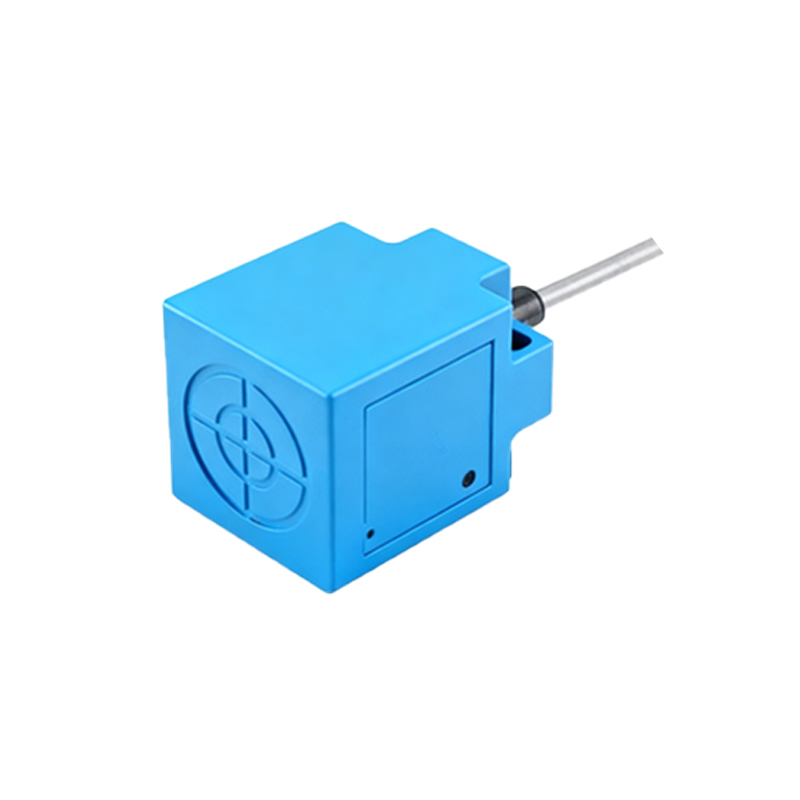
In summary, fiber optic proximity sensors leverage optical technology for reliable, non-contact detection in diverse industries. Their design ensures durability and precision, making them integral to modern automation and quality control systems.