In the realm of industrial automation and electronic design, proximity sensors are indispensable components for non-contact detection. Among the various configurations available, the 5V proximity sensor stands out as a particularly versatile and widely adopted solution. This article delves into the operational principles, key specifications, typical applications, and selection criteria for 5V DC proximity sensors, providing a technical overview for engineers and system integrators.
Fundamentally, a proximity sensor detects the presence or absence of an object within its sensing range without physical contact. The 5V designation refers to its operating voltage, which is typically supplied by a standard 5V DC power source. This voltage level is highly compatible with numerous microcontrollers (like Arduino, Raspberry Pi), digital circuits, and low-voltage industrial logic systems. The core sensing technology can vary, with inductive, capacitive, and photoelectric being the most common types for 5V modules.
Inductive proximity sensors are the workhorses for detecting metallic objects. They operate on the principle of electromagnetic induction. The sensor generates an oscillating electromagnetic field. When a metallic target enters this field, eddy currents are induced in the target, causing a change in the oscillation amplitude. This change is detected by the sensor's circuitry, which then switches its output state. These sensors are robust, resistant to environmental factors like dust and oil, and are ideal for counting metal parts, determining position limits, or detecting the presence of machinery components.
Capacitive proximity sensors can detect both metallic and non-metallic materials (plastics, wood, liquids, granules) by sensing changes in capacitance. The sensor forms one plate of a capacitor, with the target object acting as the other plate. As the object approaches, the capacitance increases. Once it surpasses a threshold, the output switches. This makes them perfect for level detection in tanks, material handling, and detecting non-metallic objects on conveyor belts.
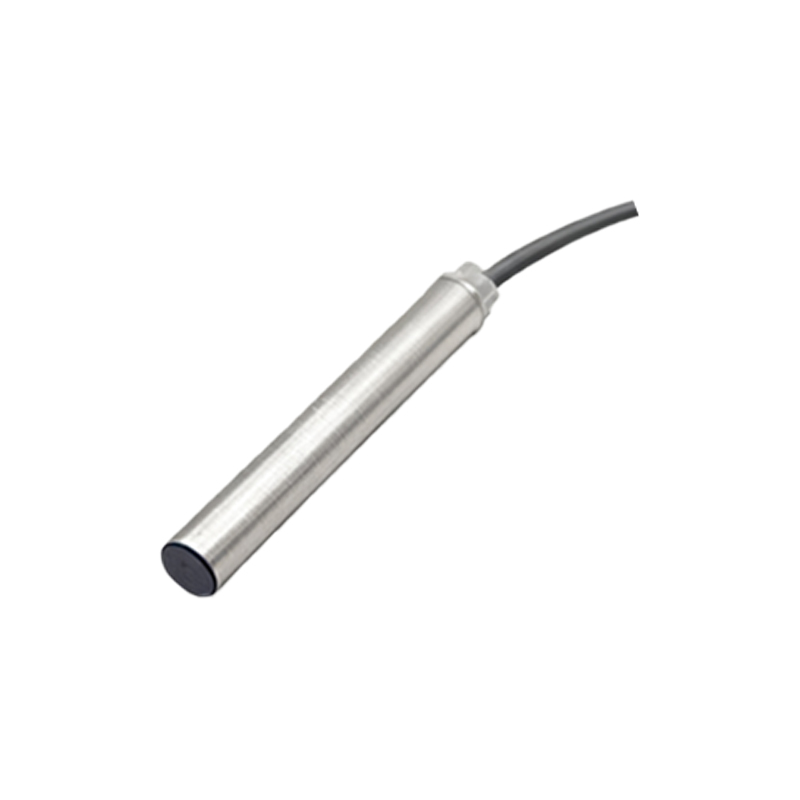
Photoelectric sensors, often in a compact 5V module, use a light beam (usually infrared) to detect objects. The transmitted beam is either reflected back to the receiver (reflective type), interrupted (through-beam type), or reflected off the target (diffuse reflective type). They offer longer sensing ranges and can detect objects of almost any material, color, or finish, making them suitable for complex automation tasks, object counting, and assembly line verification.
When integrating a 5V proximity sensor, several critical parameters must be considered. The sensing distance, or nominal range, is specified by the manufacturer and should be derated for reliable operation. The output type is crucial: digital (NPN sinking or PNP sourcing) or analog (0-5V or PWM). NPN outputs are common, connecting the load between the output wire and the positive supply (5V). The response time, measured in milliseconds or microseconds, determines how quickly the sensor can react to a passing object. Other factors include housing material (typically brass, stainless steel, or PBT plastic for inductive sensors), IP rating for ingress protection, and temperature operating range.
The advantages of using a 5V sensor are significant. Their low voltage operation enhances safety, reduces power consumption, and simplifies integration with modern digital control systems. They are generally cost-effective and available in a vast array of form factors (cylindrical, rectangular, slot-type). However, limitations exist. Sensing ranges for 5V inductive sensors are typically shorter than their higher-voltage (e.g., 10-30V DC) industrial counterparts. They may also be more susceptible to electrical noise in harsh industrial environments, necessitating proper shielding and wiring practices.
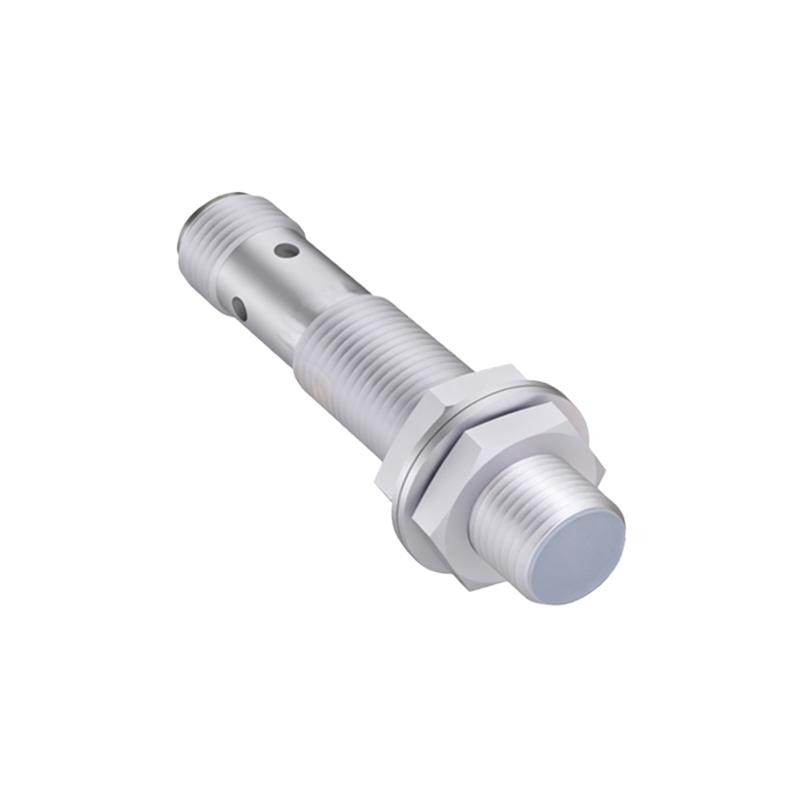
Typical applications span across diverse fields. In robotics, 5V sensors are used for obstacle detection, end-effector positioning, and limit switching. In consumer electronics and printer mechanisms, they detect paper jams or tray positions. For hobbyists and prototyping, they are integral to DIY automation projects, interactive installations, and smart devices. In light industrial settings, they facilitate precise positioning in assembly jigs, small-part counting, and quality control checks.
Selecting the right 5V proximity sensor requires a methodical approach. First, identify the target material to choose between inductive, capacitive, or photoelectric technology. Next, determine the required sensing distance and the physical space constraints for mounting. The output signal must be compatible with the input module of your controller (PLC, microcontroller). Environmental conditions such as exposure to coolant, washdowns, or metal chips will dictate the required IP rating and housing material. Finally, consider the electrical load and ensure the sensor's output current rating is sufficient to drive the connected device, often through an intermediate relay or optocoupler for higher loads.
In conclusion, the 5V proximity sensor is a fundamental building block in modern electromechanical systems. Its compatibility with low-voltage digital logic, combined with reliable non-contact sensing capabilities, makes it an