In the realm of industrial automation, photoelectric proximity sensors have emerged as indispensable components, revolutionizing how machines interact with their environments. These sensors operate on the principle of detecting the presence, absence, or distance of objects using light beams, typically infrared, visible, or laser light. Unlike mechanical switches or inductive sensors, photoelectric sensors offer non-contact detection, making them ideal for applications where physical touch could damage the object or sensor itself. Their versatility spans across various industries, from manufacturing and packaging to automotive and pharmaceuticals, driven by advancements in technology that enhance precision, reliability, and efficiency.
One of the primary applications of photoelectric proximity sensors is in object detection and counting on conveyor systems. In packaging lines, for instance, sensors accurately identify products as they move along belts, triggering mechanisms for sorting, labeling, or filling. This ensures seamless operations with minimal human intervention, reducing errors and boosting throughput. The ability to detect transparent or reflective materials—such as glass bottles or metallic wrappers—sets photoelectric sensors apart, as they can be configured in through-beam, retro-reflective, or diffuse reflection modes to suit specific material properties. Through-beam sensors, with separate emitter and receiver units, provide long-range detection and high immunity to environmental interference, while diffuse reflection models integrate both elements into a single housing for easier installation in tight spaces.
Another critical use is in safety systems, where photoelectric sensors contribute to machine guarding and area monitoring. By creating invisible light curtains or barriers around hazardous machinery, they instantly halt operations if an object or person breaches the zone, preventing accidents and ensuring compliance with safety standards like ISO 13849. This application is vital in robotics and assembly lines, where human-robot collaboration is increasing. Additionally, in the automotive industry, these sensors assist in precise positioning during welding or painting processes, enhancing quality control by verifying component alignment without physical contact that might scratch surfaces.
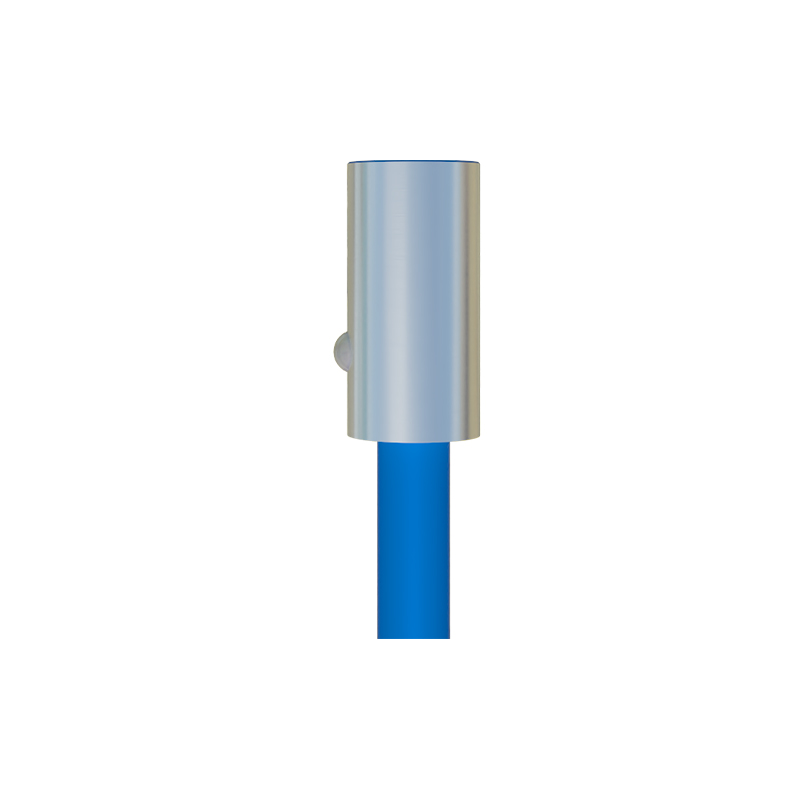
The integration of photoelectric sensors with IoT and Industry 4.0 frameworks has further expanded their utility. Smart sensors equipped with digital outputs and communication protocols (e.g., IO-Link, Ethernet/IP) enable real-time data collection on parameters like object distance, sensor health, and environmental conditions. This data feeds into predictive maintenance systems, alerting operators to potential failures before they cause downtime. In pharmaceutical manufacturing, for example, sensors monitor fill levels in vials or detect caps on bottles, ensuring sterility and compliance with stringent regulations. Their immunity to electromagnetic interference also makes them suitable for use in environments with high electrical noise, such as near motors or generators.
Despite their advantages, selecting the right photoelectric sensor requires careful consideration of factors like sensing range, response time, and environmental resilience. Dust, moisture, or extreme temperatures can affect performance, leading to the development of ruggedized models with IP67 or higher ratings for harsh conditions. As industries push toward greater automation and sustainability, photoelectric sensors continue to evolve, with innovations like background suppression for ignoring distant objects and color recognition for sorting tasks. Ultimately, their role in enhancing operational efficiency, safety, and data-driven decision-making cements their status as a cornerstone of modern industrial systems, paving the way for smarter, more responsive automation solutions.