In the demanding world of industrial automation, proximity sensors are the silent sentinels, providing critical non-contact detection for countless processes. From monitoring robotic arms on assembly lines to detecting metal objects in packaging machinery, their role is indispensable. However, their very function often places them in harm's way. Physical impact, abrasive dust, metal chips, chemical splashes, and extreme temperatures are constant threats that can lead to sensor failure, unplanned downtime, and costly repairs. This is where the often-overlooked hero comes into play: the proximity sensor protective cover.
A proximity sensor protective cover is a specialized housing or shield designed to encase the sensor's active sensing face and body. Its primary mission is not to interfere with the sensor's operation but to create a robust barrier against environmental and mechanical hazards. These covers are not universal; they are engineered with specific materials and designs to address distinct challenges. The choice of material is paramount. For general mechanical protection against impacts and scratches, ultra-high-molecular-weight polyethylene (UHMW-PE) or polyamide (nylon) covers are prevalent. These thermoplastic materials offer exceptional abrasion resistance, high impact strength, and are self-lubricating, preventing material buildup. In environments with coolant, oil, or mild chemical exposure, covers made from chemically resistant polymers like PVDF (Polyvinylidene fluoride) or certain grades of polypropylene are the standard. For the most extreme conditions involving high temperatures near welding operations or foundries, covers fabricated from high-temperature resins or even metallic shields with ceramic coatings may be employed.
The design of the cover is equally critical. A well-designed protective cover must maintain the sensor's specified sensing distance and field characteristics. Engineers achieve this through precise material thickness and, often, the incorporation of a "window" or a specifically thinned area in front of the sensing face. For inductive sensors detecting metals, the cover material in this window must be non-metallic and have a low dielectric constant to minimize signal attenuation. For capacitive sensors, the material's dielectric properties are carefully considered. The physical design also includes features for secure mounting, often utilizing the sensor's existing threaded barrel or a separate bracket system, and may incorporate sealing elements like O-rings to achieve IP67, IP68, or IP69K ratings for protection against dust and high-pressure water jets.
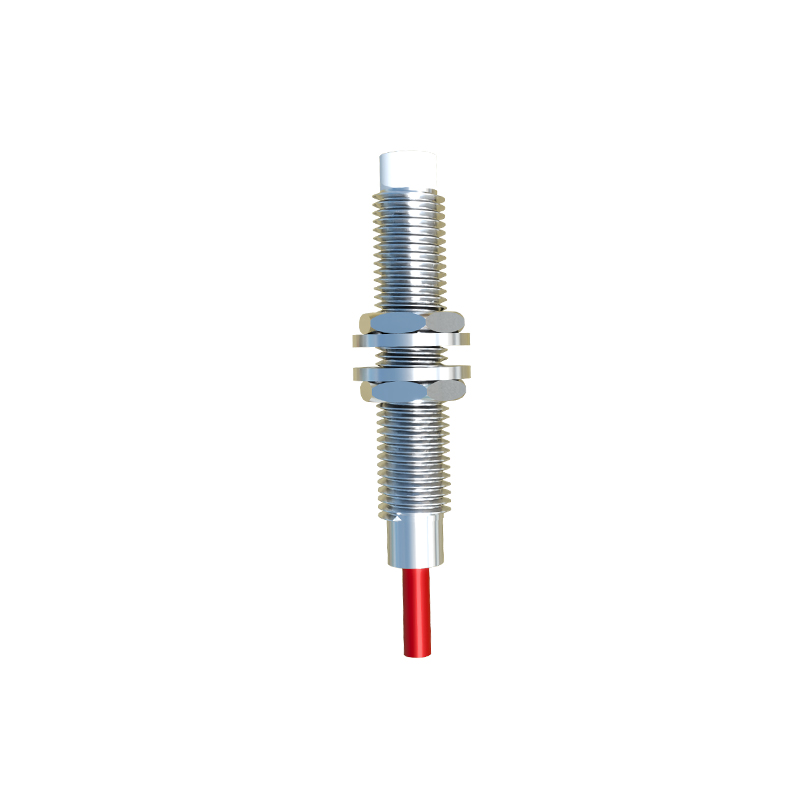
The return on investment (ROI) for implementing protective covers is compelling and multi-faceted. The most direct benefit is the dramatic extension of sensor service life. By shielding the often-delicate sensing face and electronics, covers prevent the primary causes of premature failure. This directly translates to reduced spare parts inventory and lower replacement costs. Furthermore, enhanced sensor reliability is a key contributor to overall equipment effectiveness (OEE). Fewer sensor-related stoppages mean increased production uptime, consistent output quality, and the avoidance of expensive secondary damage that can occur if a failed sensor allows a malfunctioning machine to continue operating. In harsh environments like metalworking, woodworking, or food processing, the use of protective covers is not merely an option but a best practice for predictive maintenance strategies, allowing for scheduled inspection and replacement of the cover rather than the far more expensive sensor.
Selecting the right protective cover requires a systematic assessment of the application. Engineers must first identify the primary threat: is it physical impact, abrasive particulates, chemical corrosion, or thermal stress? The sensor type (inductive, capacitive, ultrasonic) and its specific sensing range with the cover material must be verified with the manufacturer's data. Environmental ratings (IP, NEMA) and any industry-specific certifications (e.g., FDA compliance for food zones, ATEX for explosive atmospheres) must be confirmed. Finally, the installation method should ensure a secure fit without creating undue stress on the sensor housing.
In conclusion, proximity sensor protective covers represent a simple, cost-effective, and highly intelligent engineering solution. They are a prime example of defensive design, where a minimal investment in protection yields maximum returns in system reliability, operational continuity, and total cost of ownership. Specifying and applying the correct protective cover is a fundamental responsibility for engineers and maintenance professionals committed to building resilient and efficient industrial automation systems. Neglecting this component is an unnecessary risk in an era where every second of uptime and every component's longevity is meticulously optimized.