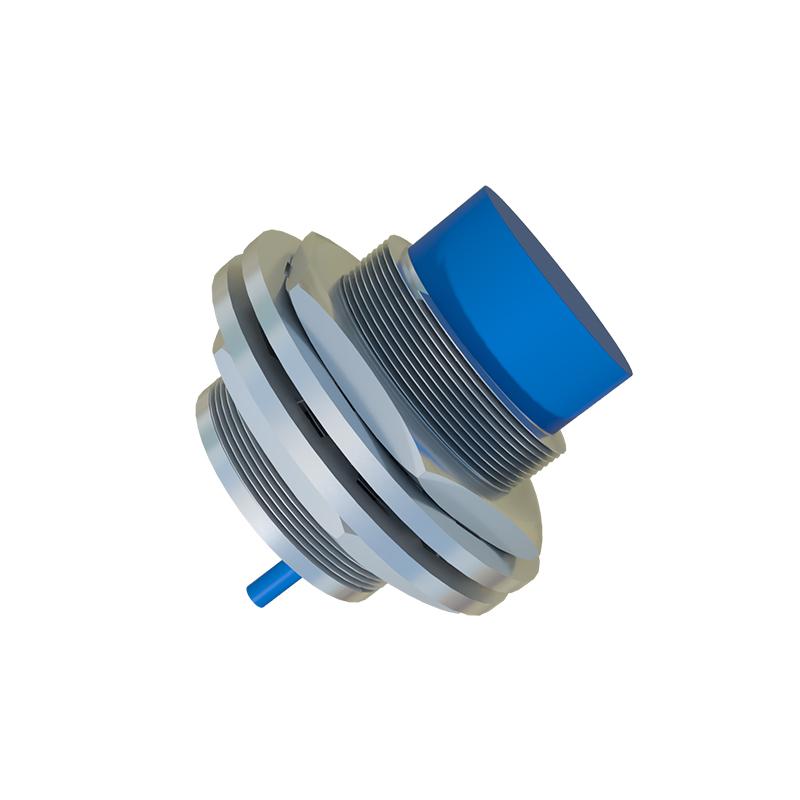
In the realm of industrial automation and electronic device manufacturing, the humble proximity sensor plays a critical role. These non-contact sensors detect the presence or absence of an object, enabling countless automated processes. While the internal electronics—the coil, oscillator, and detection circuit—are vital, the performance and longevity of the entire unit are fundamentally dependent on its external armor: the machined housing. The process of proximity sensor housing machining is a specialized discipline where precision engineering meets material science to create robust, reliable, and often hermetically sealed enclosures.
The primary function of the housing extends far beyond mere physical protection. It must shield sensitive internal components from harsh environmental factors such as metal chips, coolant fluids, dust, moisture, and electromagnetic interference (EMI). In many applications, especially in machine tools, food processing, or outdoor equipment, the housing must also withstand significant mechanical stress, vibration, and temperature fluctuations. Therefore, the selection of raw material is the first and most crucial decision in the machining process. Aluminum alloys, particularly from the 6000 series (like 6061-T6), are overwhelmingly popular due to their excellent machinability, good strength-to-weight ratio, natural corrosion resistance, and superior shielding properties against EMI. For applications requiring extreme corrosion resistance, such as in marine or chemical environments, stainless steel grades like 303 or 316 are employed, despite being harder to machine. Plastics like PEEK or PVDF are chosen for specific chemical resistance or in applications where non-metallic, non-magnetic properties are essential.
The machining journey begins with a solid billet or bar stock. Modern Computer Numerical Control (CNC) machining centers are the workhorses of this operation. Multi-axis CNC mills, often 3-axis or 4-axis, execute the complex programming that transforms the raw material into a intricate housing. The process typically involves several sequential operations: facing to create a flat reference surface, peripheral milling to establish the outer dimensions, and then precise pocketing and drilling to create cavities for the sensor core, wiring channels, cable glands, and mounting holes. A critical step is the machining of the sensing face—the front surface through which the electromagnetic field or ultrasonic waves propagate. This surface must have a specific finish and precise thickness; any variation can significantly alter the sensor's sensing range and sensitivity, leading to unreliable operation. Tolerances here are exceptionally tight, often within a few hundredths of a millimeter.
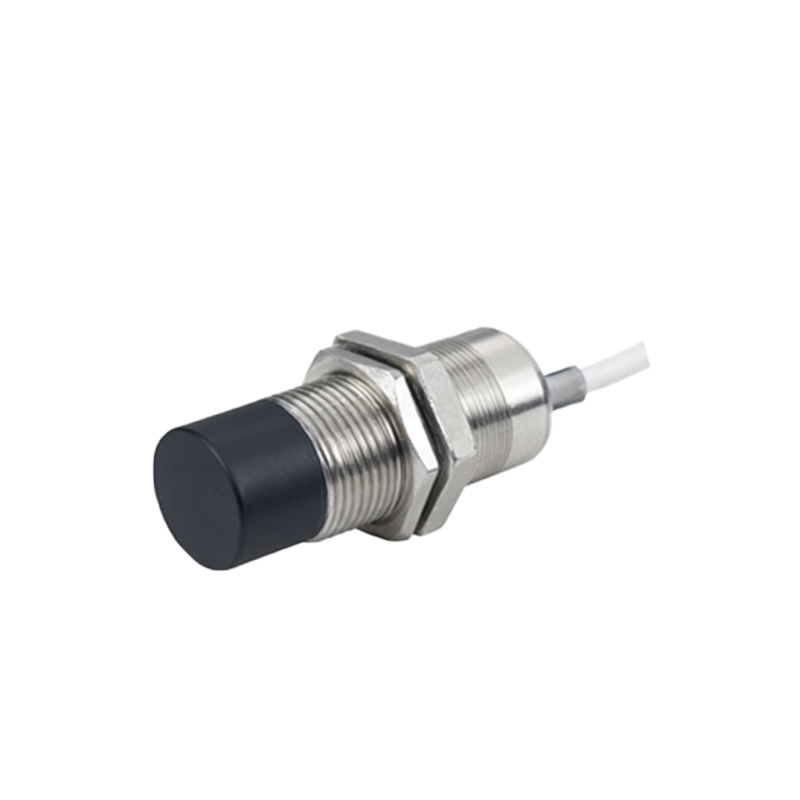
For many industrial proximity sensors, achieving an Ingress Protection (IP) rating, such as IP67 or IP68, is a non-negotiable requirement. This dictates that the housing must be sealed against dust and temporary or prolonged immersion in water. Machining plays a pivotal role in achieving this seal. The mating surfaces between the main housing body and its end cap or lens must be machined to a flawless, flat finish. This allows for an effective seal via gaskets, O-rings, or in some cases, direct bonding. The threads for cable glands or mounting nuts are machined with high precision to prevent leakage paths. After machining, secondary processes are vital. Anodizing is almost standard for aluminum housings. This electrochemical process creates a hard, durable, and non-conductive oxide layer that enhances corrosion resistance, provides electrical insulation, and can even be dyed for color-coding. For stainless steel, passivation is used to remove free iron from the surface and enhance the chromium oxide layer, boosting corrosion resistance.
The final stage involves meticulous quality control. Each machined housing undergoes dimensional inspection using coordinate measuring machines (CMM) or laser scanners to verify critical tolerances. Pressure decay tests or immersion tests are conducted to validate IP ratings. Visual inspection ensures there are no tool marks, burrs, or imperfections on the sensing face or sealing surfaces. A single defect can compromise the entire sensor assembly, leading to field failures that are costly and damaging to reputation.
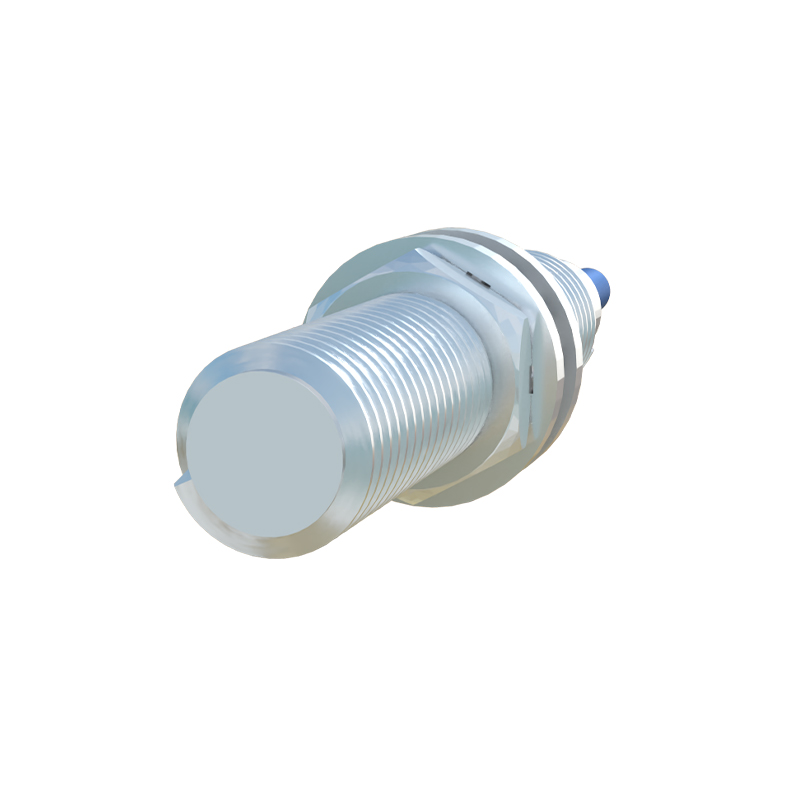
In essence, proximity sensor housing machining is a foundational element of sensor reliability. It is a perfect synergy of advanced CNC technology, material expertise, and rigorous quality standards. The unassuming metal or plastic case is not just a container; it is a precision-engineered component that ensures the sophisticated electronics within can perform their detection duties accurately, consistently, and safely for years, even in the most demanding industrial environments. The next time you see an automated production line operating flawlessly, remember that a significant part of that reliability is forged in the precise cuts and finishes of countless machined sensor housings.