In the realm of industrial automation and process control, the integration of tension sensor proximity switches represents a critical advancement for ensuring operational precision, safety, and efficiency. These sophisticated devices combine the principles of tension measurement with non-contact detection capabilities, offering a robust solution for applications ranging from web handling in printing and packaging to wire winding in cable manufacturing. Unlike traditional mechanical limit switches, tension sensor proximity switches provide continuous monitoring without physical contact, thereby minimizing wear, reducing maintenance costs, and enhancing system longevity.
The core functionality of a tension sensor proximity switch hinges on its ability to detect the presence or absence of tension in a material—such as fabric, film, wire, or tape—while simultaneously gauging the proximity of adjacent components or material edges. Typically, these switches employ technologies like inductive, capacitive, or ultrasonic sensing to identify objects within a predefined range. When integrated with a tension sensing mechanism—often utilizing load cells, strain gauges, or piezoelectric elements—the device can trigger alarms, adjust drive speeds, or halt machinery if tension deviates from set parameters. This dual functionality is paramount in preventing material breakage, ensuring consistent product quality, and avoiding costly downtime.
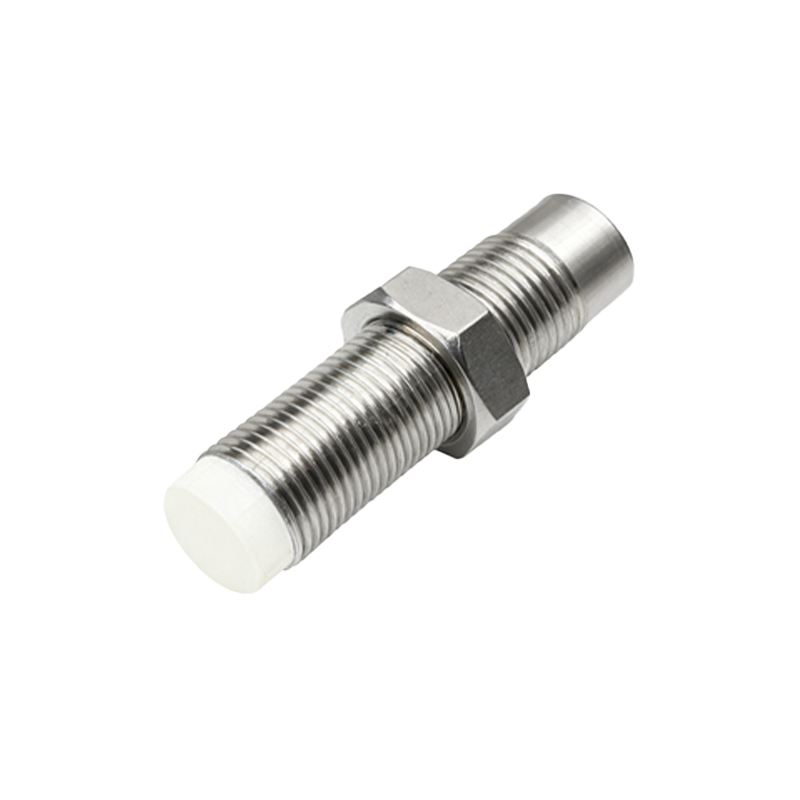
Key design considerations for tension sensor proximity switches include environmental robustness, measurement accuracy, and response time. Industrial settings often expose equipment to harsh conditions, including dust, moisture, temperature fluctuations, and electromagnetic interference. High-quality switches are housed in rugged, IP-rated enclosures and feature shielded electronics to withstand such challenges. Accuracy is paramount, as even minor deviations in tension can lead to defects; thus, calibration and signal stability are critical. Modern switches often incorporate digital signal processing (DSP) and microcontrollers to filter noise and provide real-time data output via protocols like IO-Link, Profibus, or Ethernet/IP, facilitating seamless integration into broader Industrial Internet of Things (IIoT) networks.
Applications abound across diverse sectors. In the textile industry, these switches monitor yarn tension on looms to prevent snapping and ensure uniform weave density. In paper converting and printing, they maintain proper web tension to avoid wrinkles, tears, or misalignment. The automotive industry utilizes them in seatbelt manufacturing to verify correct tension during spooling, while in packaging machinery, they ensure film or label stock is fed smoothly without slack or over-tension. Additionally, in cable and wire production, precise tension control is vital for achieving consistent diameter and insulation properties.
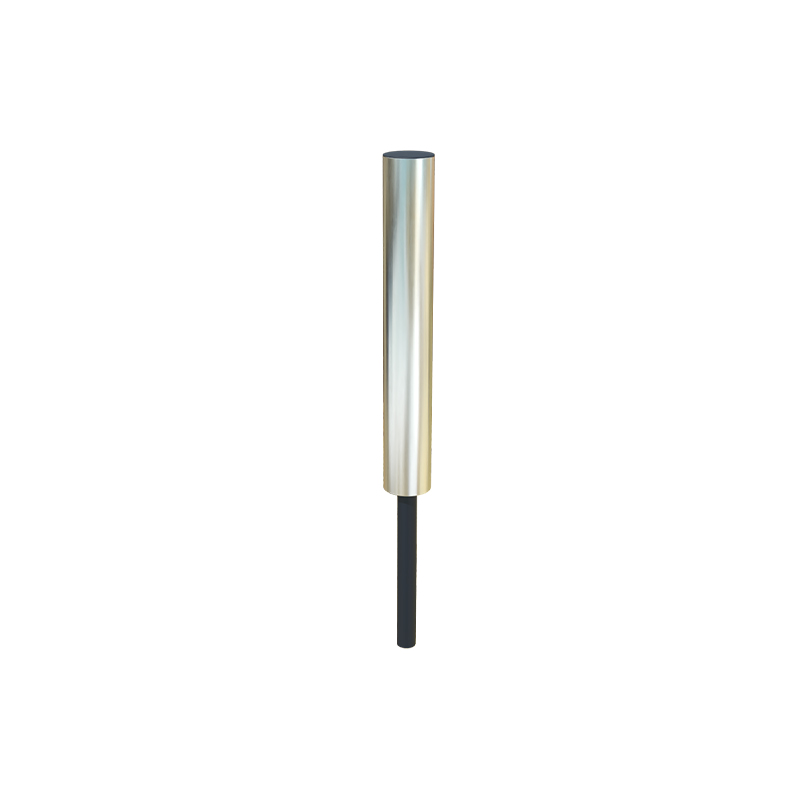
Installation and maintenance practices significantly impact performance. Proper mounting alignment, avoidance of vibration sources, and regular calibration checks are essential. Many advanced models feature self-diagnostic capabilities, alerting operators to potential issues like sensor drift or contamination. When selecting a tension sensor proximity switch, engineers must evaluate factors such as tension range, sensing distance, output type (analog or digital), and compatibility with existing control systems.
Looking ahead, trends like miniaturization, enhanced wireless connectivity, and AI-driven predictive maintenance are shaping the next generation of these devices. Smart sensors with embedded analytics can now predict failure modes by analyzing tension trends and proximity data over time, enabling proactive interventions. As industries increasingly prioritize automation and quality assurance, the role of tension sensor proximity switches will only expand, solidifying their status as indispensable components in modern manufacturing ecosystems. Ultimately, their value lies in delivering a harmonious blend of precision detection and reliable tension control—a synergy that drives productivity and safeguards both equipment and product integrity.