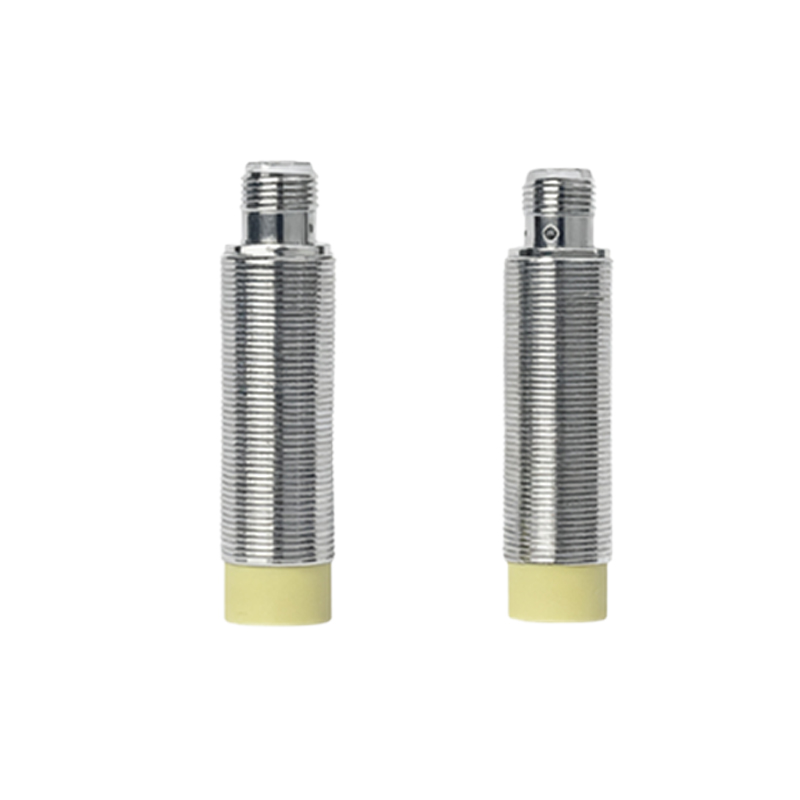
Proximity sensors with a 40mm housing represent a cornerstone of modern industrial automation, offering reliable non-contact detection for a vast array of applications. These robust devices, characterized by their standardized cylindrical M30 form factor (approximately 40mm in length, though dimensions can vary), are engineered to withstand harsh environments while providing precise sensing capabilities. Their primary function is to detect the presence or absence of a target object without physical contact, utilizing various technologies to suit different material and environmental requirements.
The most prevalent technologies within the 40mm proximity sensor category are inductive, capacitive, and ultrasonic. Inductive proximity sensors are the workhorses of metal detection. They generate an electromagnetic field and react to the eddy currents induced in a conductive metal target. This makes them ideal for detecting ferrous and non-ferrous metals in applications like machine tooling, robotic end-effector positioning, and conveyor line counting. Their inherent insensitivity to non-metallic substances like dust, oil, or water ensures stable operation in dirty industrial settings.
Capacitive proximity sensors, on the other hand, can detect both metallic and non-metallic materials, including liquids, plastics, glass, and wood. They function by measuring changes in capacitance caused by the dielectric properties of a target entering their electrostatic field. This versatility makes 40mm capacitive sensors perfect for level detection in tanks (e.g., monitoring fluid or granulate levels), material handling of non-metallic products, and detecting filled vs. empty containers on packaging lines.
For more challenging conditions involving varying target colors, textures, or transparency, or for applications requiring precise distance measurement, 40mm ultrasonic sensors provide an excellent solution. They operate by emitting high-frequency sound waves and calculating distance based on the time-of-flight of the reflected echo. These sensors are unaffected by color or light and can reliably detect objects at set distances, making them suitable for palletizing, collision avoidance on AGVs (Automated Guided Vehicles), and controlling loop tensions in web processing.
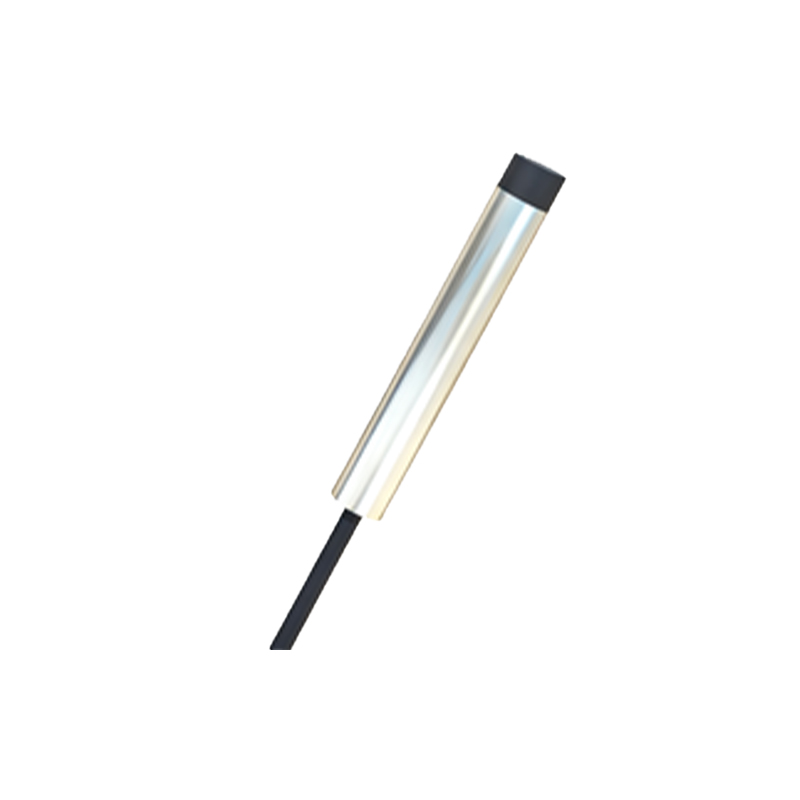
The 40mm form factor is particularly favored in industry due to its optimal balance between sensing performance, mechanical robustness, and ease of installation. The housing, typically made of nickel-plated brass, stainless steel, or ruggedized PBT plastic, offers high resistance to impacts, vibrations, and washdowns (often meeting IP67, IP68, or IP69K ratings). Standardized mounting threads (e.g., M30 x 1.5) allow for quick and secure installation into drilled holes or mounting brackets, simplifying integration into machinery.
Electrical output configurations are another critical consideration. The majority of 40mm proximity sensors are available in DC (10-30V DC) or AC variants, with 3-wire or 4-wire designs being common for DC models, providing either NPN (sinking) or PNP (sourcing) transistor outputs. This flexibility allows engineers to match the sensor directly to the input requirements of PLCs (Programmable Logic Controllers), motor drives, or other control systems. Key performance specifications to evaluate include sensing distance (e.g., 10mm, 15mm for a standard inductive sensor), repeat accuracy, response frequency, and temperature operating range.
In practical application, selecting the correct 40mm sensor involves a detailed analysis of the target material, required sensing distance, environmental contaminants (like cutting fluids or metal chips), electrical interface, and required housing material. For instance, a stainless-steel inductive sensor would be specified for a food and beverage application requiring frequent washdowns, while a capacitive sensor with a Teflon-faced housing might be chosen for a chemical processing plant.
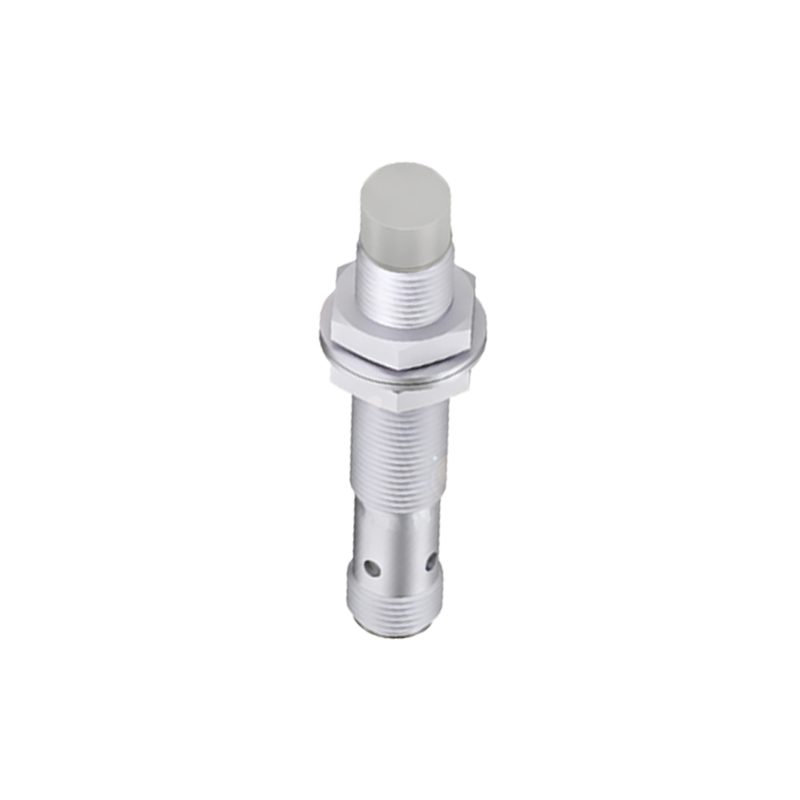
Maintenance of these sensors is generally minimal due to their solid-state, non-contact nature. However, ensuring a clean sensing face free from accumulated debris is crucial for maintaining rated performance. Regular functional checks should be part of preventative maintenance schedules to avoid unexpected downtime.
In conclusion, the 40mm proximity sensor is a fundamental, highly adaptable component in the industrial automation toolkit. Its standardized size, coupled with a range of sensing technologies and robust construction, provides engineers with a reliable solution for object detection, positioning, and counting across virtually every manufacturing and processing sector. Understanding the nuances of inductive, capacitive, and ultrasonic principles is essential for deploying these sensors effectively, ensuring enhanced machine efficiency, safety, and operational reliability.