Proximity sensors are essential components in modern industrial automation, offering non-contact detection of objects with high precision and reliability. Proper installation and usage are critical to ensuring optimal performance, longevity, and safety in various applications, from manufacturing lines to robotics. This guide outlines professional best practices for correctly implementing proximity sensors in industrial settings.
First, select the appropriate sensor type based on the application requirements. Inductive sensors are ideal for detecting metallic objects, while capacitive sensors can handle non-metallic materials like plastics or liquids. Ultrasonic and photoelectric sensors offer longer detection ranges and are suitable for diverse environments. Consider factors such as sensing distance, response time, environmental conditions (e.g., temperature, humidity, and exposure to chemicals), and the object’s material and size. Always refer to the manufacturer’s datasheet for specifications to avoid mismatches that could lead to operational failures.
Installation positioning is crucial for accurate detection. Mount the sensor securely to minimize vibrations or movements that could affect readings. Ensure the sensing face is aligned parallel to the target object’s surface for consistent performance. Maintain the recommended sensing distance, typically specified as the nominal range, and account for any hysteresis effects. Avoid placing sensors near sources of electromagnetic interference (EMI), such as motors or high-voltage cables, as this can cause false triggers. For inductive sensors, note that different metals (e.g., steel vs. aluminum) may alter the effective sensing range—calibrate accordingly.
Wiring and electrical connections must adhere to safety standards. Use shielded cables to reduce noise interference, and ground the sensor properly to prevent electrical surges. Follow the wiring diagram provided by the manufacturer, connecting the power supply, load, and output signals correctly. For DC sensors, observe polarity to prevent damage. Implement protective circuits, such as surge suppressors or fuses, in environments with voltage fluctuations or inductive loads. Regularly inspect connections for corrosion or looseness, which can lead to intermittent faults.
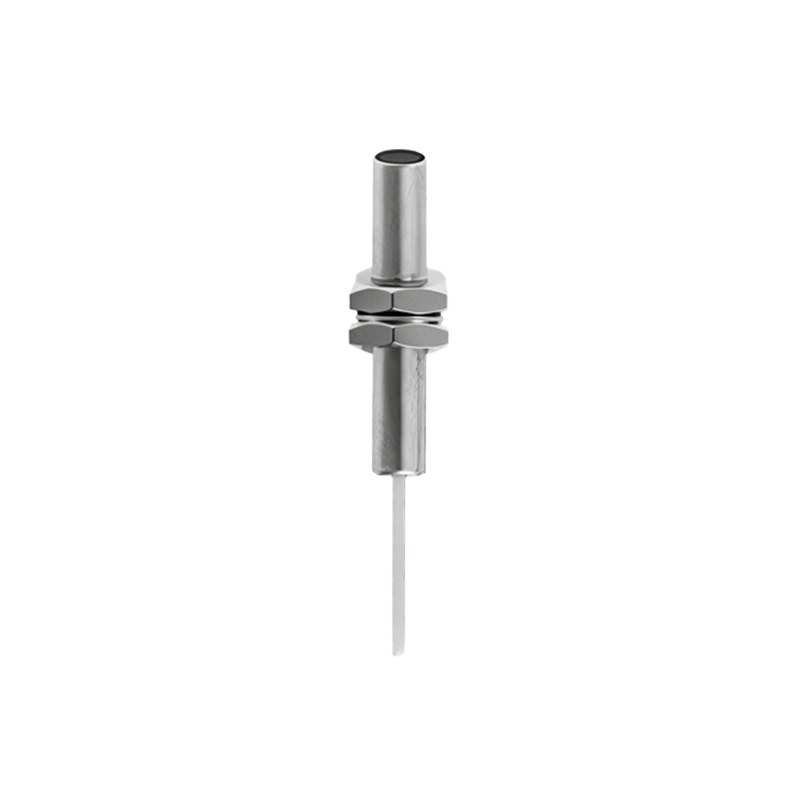
Environmental considerations play a significant role in sensor durability. In harsh conditions—like extreme temperatures, dust, moisture, or corrosive substances—choose sensors with appropriate ingress protection (IP) ratings. For example, IP67-rated sensors are resistant to dust and temporary immersion, making them suitable for washdown areas. Avoid direct exposure to sunlight or strong lighting for photoelectric sensors, as ambient light can interfere with detection. In applications involving rapid motion, ensure the sensor’s response time is fast enough to capture targets without lag.
Calibration and testing are vital steps post-installation. Use a target object identical to the actual application material to verify the sensing range and adjust sensitivity if the sensor allows it. Perform functional tests under normal operating conditions to confirm reliability. Monitor the sensor’s output via PLCs or diagnostic tools to detect anomalies early. Regular maintenance, including cleaning the sensing face from debris or buildup, ensures consistent operation. Keep a log of performance data to anticipate wear or needed replacements.
Common pitfalls to avoid include overloading the sensor beyond its rated capacity, ignoring temperature drift effects, and misinterpreting output signals (e.g., NPN vs. PNP configurations). Always train personnel on proper handling and troubleshooting procedures. By following these guidelines, engineers can maximize the efficiency and lifespan of proximity sensors, reducing downtime and enhancing system safety. In summary, correct implementation hinges on careful selection, precise installation, robust wiring, environmental adaptation, and ongoing validation—key practices for any professional in the electrical and automation industries.