In today's interconnected world of smart devices and automated systems, proximity sensors have become a fundamental component, operating silently yet effectively in countless applications. These devices detect the presence or absence of an object within a specific range without any physical contact. The principle is elegantly simple: the sensor emits an electromagnetic field or a beam of radiation, and then looks for changes in the field or return signal to determine if an object is nearby. This non-contact detection offers significant advantages, including reduced mechanical wear, higher reliability, and the ability to sense objects in challenging environments.
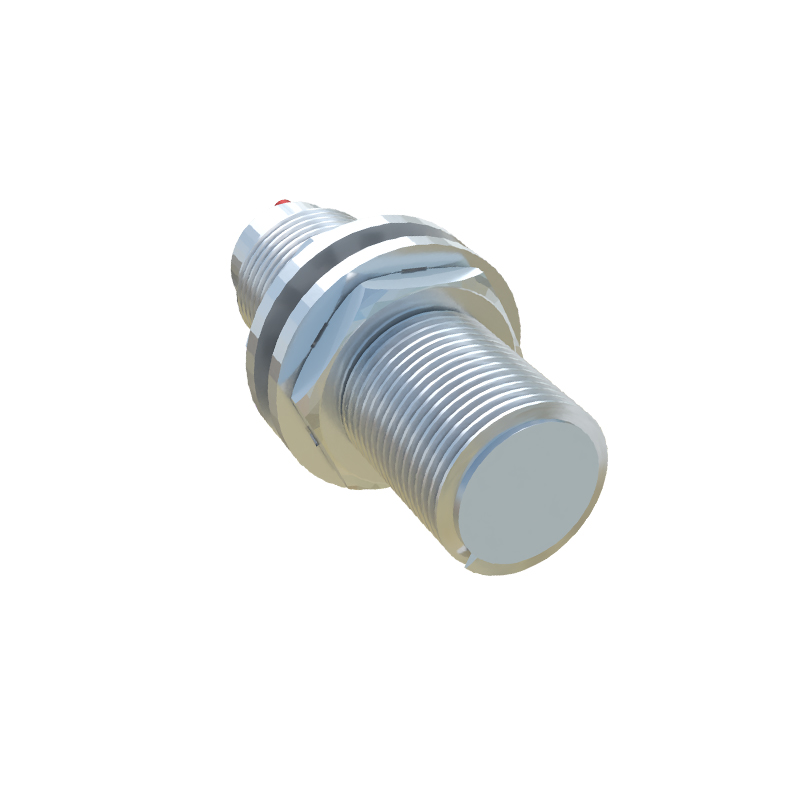
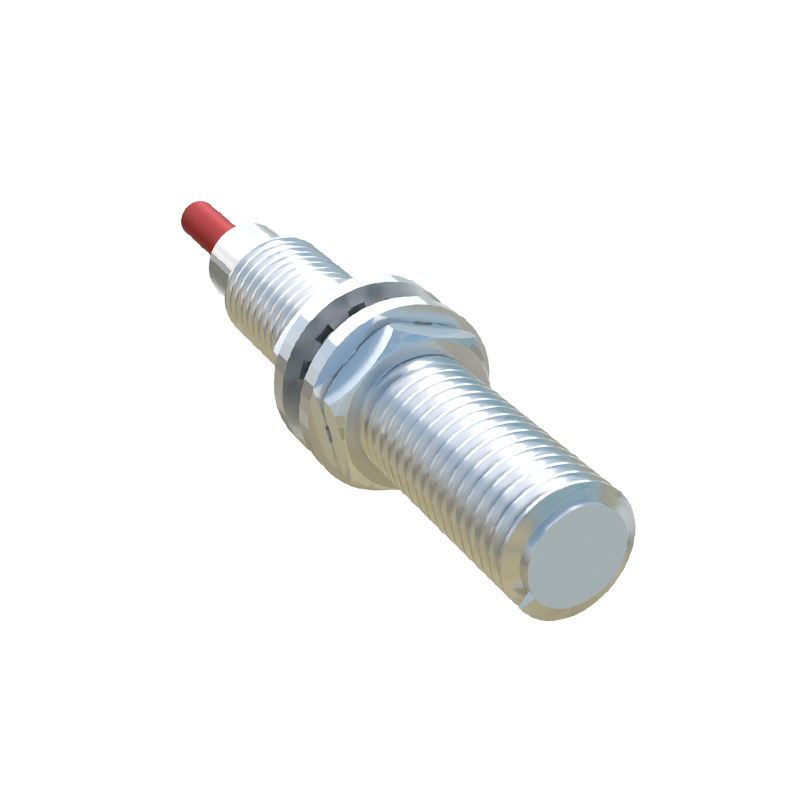
Several primary types of proximity sensors dominate the market, each suited to different tasks. Inductive sensors are workhorses in industrial settings, detecting metallic objects. They generate an oscillating electromagnetic field; when a metal object enters this field, it induces eddy currents within the metal, which the sensor detects. These sensors are incredibly robust, resistant to dirt, oil, and water, making them ideal for manufacturing lines, machine tools, and automotive assembly. Capacitive sensors, on the other hand, can detect both metallic and non-metallic materials like plastic, wood, or liquids. They function by measuring changes in capacitance caused by the presence of any material that alters the dielectric constant of the space between the sensor and a ground plate. This makes them perfect for level detection in tanks, material handling, and touch-sensitive interfaces.
For longer-range detection, photoelectric sensors use light beams. An emitter sends out a beam of light (visible, infrared, or laser), and a receiver detects it. An object is sensed when it interrupts or reflects this beam. These are widely used in packaging, security systems, and automated doors. Ultrasonic sensors operate on a similar principle but use sound waves. They measure the time it takes for a high-frequency sound pulse to bounce back from an object, calculating distance accurately. This technology is common in robotics for obstacle avoidance, parking assistance systems in vehicles, and tank level measurement.
The practical applications of proximity sensors are vast and growing. In consumer electronics, they are the reason your smartphone screen turns off when held to your ear during a call, conserving battery life. In modern automotive design, they form the backbone of advanced driver-assistance systems (ADAS), enabling features like blind-spot monitoring, automatic parking, and collision avoidance. Industrial automation relies heavily on them for precise positioning, counting objects on a conveyor belt, and ensuring machine safety by detecting if a guard door is open. In the realm of smart homes and buildings, they enable touchless faucets, automatic soap dispensers, and energy-saving lighting systems that turn off when a room is vacant.
Successful implementation requires careful consideration of several factors. First, select the correct sensor type for the target material and environmental conditions. An inductive sensor will fail to detect a plastic bottle, just as a photoelectric sensor might struggle in a dusty factory. Second, pay close attention to the sensor's nominal sensing range. This is the ideal distance for detection under standardized conditions. Real-world factors like target size, material, temperature, and the presence of contaminants can affect this range, so a safety margin is advisable. Mounting is also critical; sensors must be securely installed to prevent vibration from causing false triggers, and surrounding metal (for inductive sensors) can create interference zones.
Wiring and output configuration are the next steps. Most sensors have three or four wires: for power supply, ground, and the output signal. The output can be normally open (NO) or normally closed (NC), describing the state of the internal switch when no target is present. A digital NO output switches on (closes) when a target is detected, while an NC output switches off (opens). Analog outputs provide a continuous signal proportional to the distance, useful for precision positioning. Always consult the datasheet and ensure compatibility with the programmable logic controller (PLC) or other receiving device.
Finally, proper maintenance ensures longevity. While these sensors are designed to be durable, periodic checks are recommended. Keep sensing faces clean from buildup of dirt, grease, or metal shavings, which can dampen signals. Check for physical damage to housings or cables. In harsh environments, choosing sensors with appropriate Ingress Protection (IP) ratings is essential to guard against dust and moisture.
From streamlining complex industrial processes to adding convenience and safety to everyday life, proximity sensors are a testament to how a simple concept, when expertly engineered, can have a profound and widespread impact. Their continued evolution, with trends toward miniaturization, increased intelligence, and integration with the Internet of Things (IoT), promises to unlock even more innovative applications in the future, making our interactions with machines and environments more seamless, efficient, and intuitive.