In the realm of industrial automation and process control, the reliable detection of objects in extreme conditions is paramount. High-temperature proximity sensors, specifically inductive and capacitive variants designed for elevated thermal environments, have become indispensable. These robust devices operate on the principle of generating an electromagnetic or electrostatic field and detecting changes caused by the presence of a metallic or non-metallic target. Unlike standard sensors, their construction utilizes specialized materials such as high-temperature plastics, ceramic faces, PEEK (Polyether Ether Ketone) housings, and high-grade, thermally stable seals. This engineering allows them to function consistently in ambient temperatures ranging from -40°C up to a remarkable +200°C or even higher for certain models, with some capable of withstanding brief exposure to even more intense heat.
The core challenge in high-temperature sensor design lies in protecting the internal electronics—the oscillator, trigger circuit, and output switching element—from thermal degradation. Prolonged exposure to heat can cause component failure, signal drift, and ultimately, catastrophic sensor malfunction. Manufacturers address this through sophisticated thermal management. This includes the use of high-temperature solder, heat-resistant coils, and extended sensing faces that create a thermal barrier, distancing the sensitive electronics from the hot target or environment. Furthermore, the cabling is critical; cables must feature PTFE (Teflon) or silicone insulation to prevent melting and ensure signal integrity. For the most extreme applications, sensors are offered with integral cooling jackets or are designed for remote mounting, where only the durable sensing head is exposed to the heat.
The applications for these rugged sensors are vast and critical. They are routinely deployed in die-casting and foundry operations to monitor molten metal flows and die positions. In the automotive industry, they are essential in painting and curing ovens, monitoring parts on conveyor systems subjected to high-temperature baking. Glass manufacturing, semiconductor fabrication, plastic injection molding, and metal heat-treating furnaces all rely on high-temperature proximity switches for precise positioning, counting, and end-of-travel detection. Their role extends to food and beverage packaging on hot-fill lines and monitoring machinery in steel mills. Without them, automation in these harsh settings would be unreliable, leading to increased downtime, safety hazards, and product quality issues.
Selecting the appropriate high-temperature proximity sensor requires careful consideration of several parameters beyond just the ambient temperature. The sensing distance, typically reduced at higher temperatures, must be derated according to the manufacturer's specifications. The housing material must be chemically compatible with the environment, resisting not only heat but also potential exposure to oils, coolants, or cleaning agents. The IP (Ingress Protection) rating, often IP67 or IP69K for these models, ensures protection against dust and high-pressure washdowns common in food processing. Output type (PNP/NPN, NO/NC) and electrical connection (pre-wired cable or quick-disconnect) must align with the control system. Regular maintenance, though minimal, involves checking for physical damage to the sensing face and ensuring that the mounting remains secure and free from accumulated debris that could insulate the sensing field.
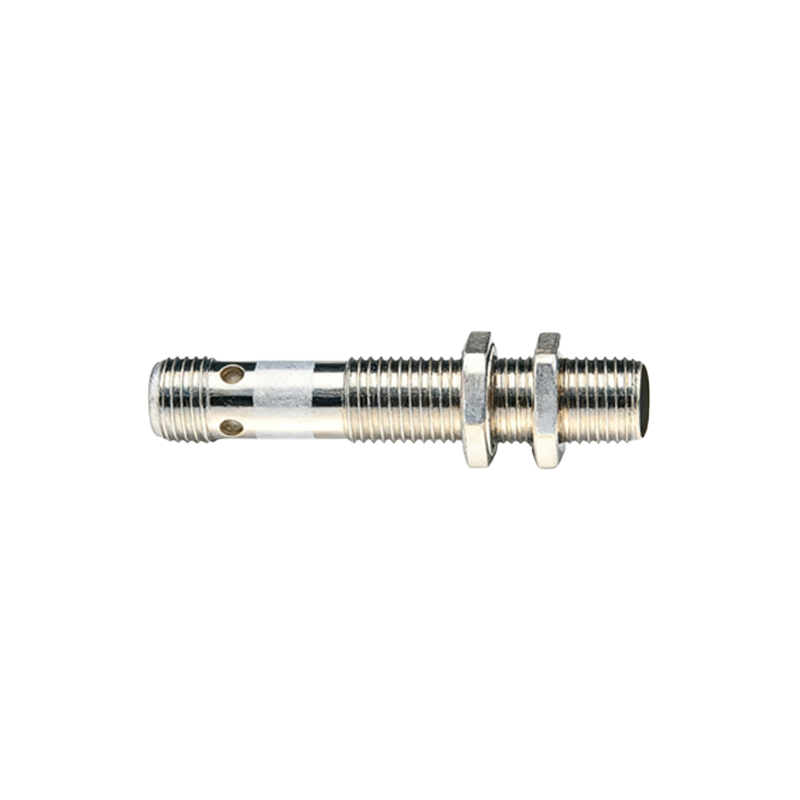
Looking ahead, advancements in materials science and miniaturization continue to push the boundaries of high-temperature sensor performance. The integration of IO-Link communication is becoming more prevalent, allowing for detailed condition monitoring, parameter adjustment on-the-fly, and predictive maintenance data—such as internal temperature warnings—to be fed directly into control networks. This digital transformation elevates the sensor from a simple switch to a smart system component, enhancing overall plant efficiency. In conclusion, high-temperature proximity sensors are not merely components; they are engineered solutions that enable automation to thrive where few electronic devices can. Their continued evolution is vital for the progress of industries operating at the very edge of thermal possibility, ensuring reliability, safety, and precision in the most demanding environments on the factory floor.