Proximity sensors are essential components in modern industrial automation, offering non-contact detection of objects with high reliability and speed. This article delves into the working principles of various proximity sensors through an explanatory video format, catering to engineers and technicians in the electrical and automation sectors. The video begins by introducing the basic concept: proximity sensors detect the presence or absence of an object without physical contact, using electromagnetic fields, light, or sound. This non-contact feature minimizes wear and tear, making them ideal for harsh environments where durability is critical.
The first type covered is the inductive proximity sensor, widely used for detecting metallic objects. The video illustrates how an oscillator generates a high-frequency electromagnetic field at the sensor's active surface. When a metal object enters this field, eddy currents are induced, causing a change in the oscillation amplitude. This change is detected by a threshold circuit, which triggers an output signal—typically a switch to control machinery. The video emphasizes key parameters like sensing distance, which depends on the target material and sensor size, and highlights applications in conveyor systems, robotic arms, and safety interlocks.
Next, the capacitive proximity sensor is explained. Unlike inductive sensors, capacitive types can detect both metallic and non-metallic materials, such as plastics, liquids, or wood. The video shows how these sensors use a capacitor formed by the sensor's electrode and the target object. As the object approaches, the capacitance increases, altering the oscillator frequency. A demodulator circuit converts this change into an output signal. The video details factors affecting performance, including dielectric constant and environmental conditions, with examples in level detection for tanks or packaging lines.
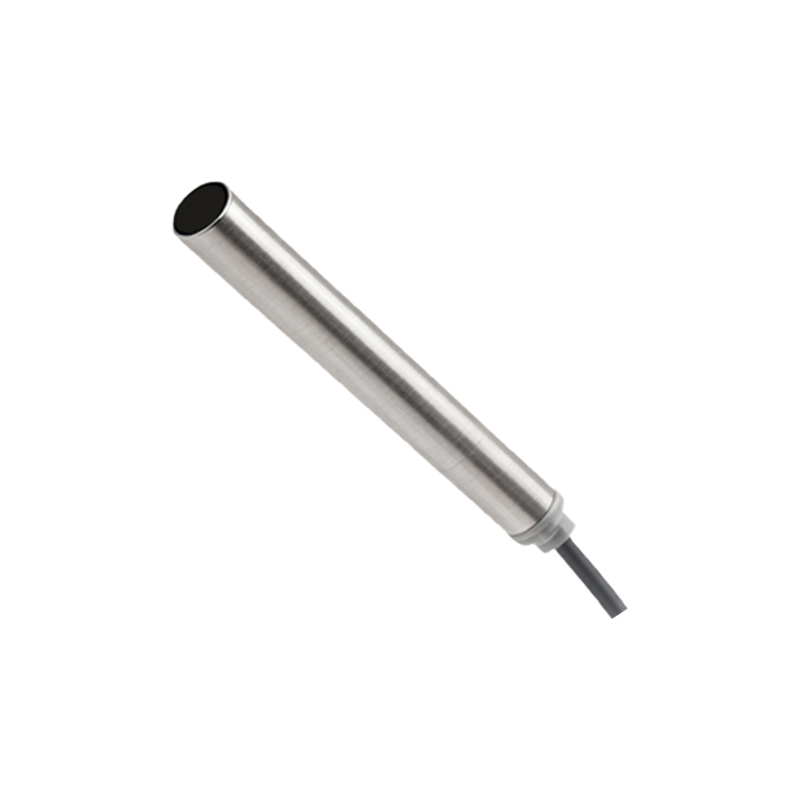
The video then explores photoelectric proximity sensors, which use light beams for detection. It breaks down into three subtypes: through-beam, retro-reflective, and diffuse sensors. Through-beam sensors consist of separate emitter and receiver units; when an object interrupts the light beam, the receiver triggers an output. Retro-reflective sensors use a reflector to bounce light back, while diffuse sensors rely on light reflected directly from the target. The video demonstrates their use in counting, positioning, and quality control, noting advantages like long sensing ranges and sensitivity to color or transparency.
Ultrasonic proximity sensors are also covered, utilizing sound waves beyond human hearing. The video explains how a transducer emits ultrasonic pulses and measures the time for echoes to return from an object. Distance is calculated based on sound speed, enabling precise detection even in dusty or humid settings. Applications include object profiling and liquid level monitoring, with tips on avoiding interference from ambient noise.
Throughout the video, practical demonstrations show sensor installations and wiring diagrams, aligning with industry standards like IEC 60947-5-2. It concludes with maintenance advice, such as regular cleaning to prevent false triggers and calibration for optimal performance. By combining visual animations with clear narration, this video serves as a comprehensive resource for understanding proximity sensor technology, enhancing efficiency in automation projects.