The production of proximity switch sensors represents a sophisticated intersection of precision engineering, advanced electronics, and rigorous quality control. These non-contact sensors, essential for automation, safety, and efficiency across countless industries, undergo a meticulous manufacturing journey from raw material to finished, tested unit. The core principle behind their operation—detecting the presence or absence of an object without physical contact through electromagnetic fields, infrared light, or ultrasonic sound—dictates a manufacturing process demanding exceptional accuracy.
The journey begins with design and prototyping. Engineering teams utilize CAD software to model the sensor's housing, internal circuitry, and sensing face. Key considerations include the sensing distance, target material (ferrous, non-ferrous, or all metals), output type (NPN, PNP, analog, or IO-Link), and environmental rating (IP67, IP69K). Prototypes are built and subjected to initial functional and environmental stress tests to validate the design before full-scale production commences.
Component procurement is the next critical phase. High-reliability electronic components are sourced: oscillators for inductive sensors, infrared LEDs and phototransistors for optical types, and piezoelectric crystals for ultrasonic sensors. The heart of an inductive proximity sensor, the coil, is wound with extreme precision to generate a stable electromagnetic field. Simultaneously, sensor housings are typically injection-molded from engineering-grade plastics like PBT or PA, or machined from stainless steel for harsh environments. The material choice directly impacts durability, temperature resistance, and chemical resilience.
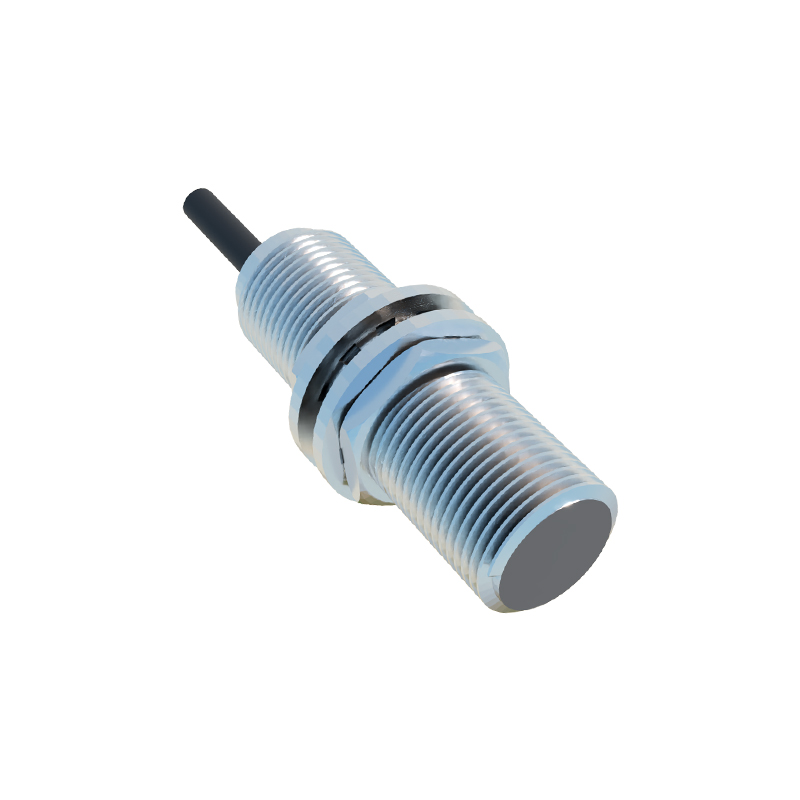
The assembly process is a blend of automated and manual precision. Surface-Mount Technology (SMT) lines populate printed circuit boards (PCBs) with micro-components at high speed. The populated PCB, containing the oscillator, amplifier, and output switching circuitry, is then carefully installed into the housing. For inductive sensors, the wound coil is precisely positioned relative to the sensing face. Hermetic sealing is a crucial step, especially for sensors rated IP67 and above. This often involves laser welding, epoxy potting, or ultrasonic welding to create a completely sealed unit that protects the internal electronics from moisture, dust, and coolant ingress.
Programming and calibration follow assembly. Programmable sensors have their parameters—such as switching thresholds, hysteresis, and output timing—flashed into their microcontrollers. Calibration is perhaps the most critical quality step. Each sensor is tested against certified targets at precisely defined distances to ensure its sensing range meets specified tolerances. Temperature cycling tests may also be performed to guarantee performance stability across the sensor's operational range.
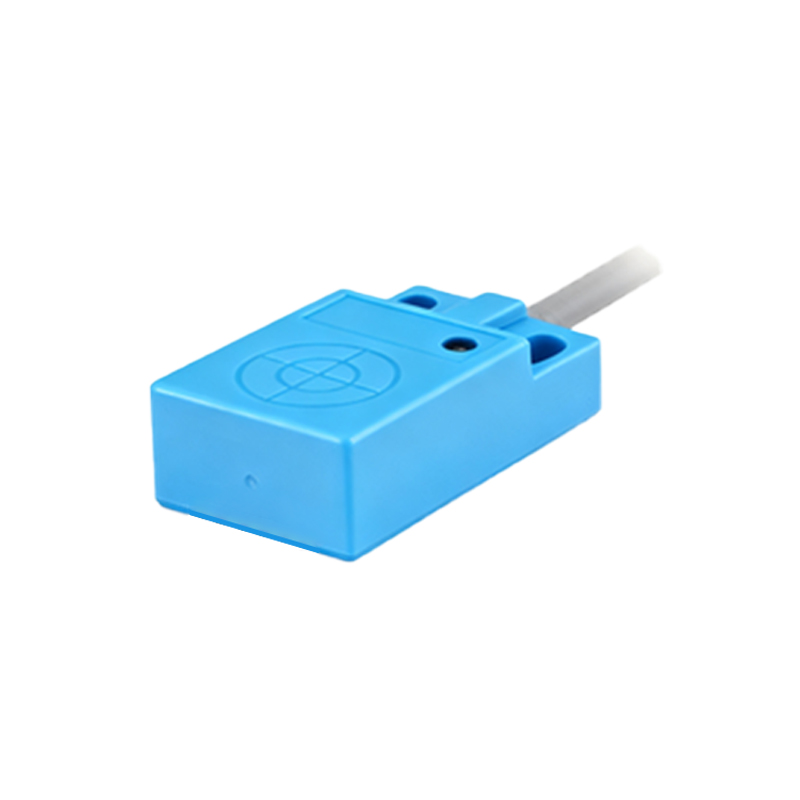
No manufacturing process is complete without exhaustive quality assurance. Finished sensors undergo a battery of tests. These include functional testing (response time, repeat accuracy), electrical testing (load compatibility, short-circuit protection), and severe environmental testing (vibration, shock, temperature extremes, and cyclic humidity). Statistical process control methods are employed throughout production to monitor key parameters and prevent defects.
The final stage involves packaging, labeling, and traceability. Sensors are often packaged in anti-static materials and labeled with all critical technical data: part number, sensing range, output diagram, and certification marks (CE, UL, RoHS). Modern manufacturing emphasizes complete traceability, with lot numbers allowing the history of each unit to be tracked.
The applications driving proximity sensor production are vast. In automotive manufacturing, they count parts and verify robot positions. In food and beverage, stainless-steel sensors monitor packaging lines. In material handling, they detect pallet positions. The rise of Industry 4.0 and IIoT has further propelled innovation, with sensors now featuring integrated diagnostics, predictive maintenance data, and seamless network connectivity via protocols like IO-Link.
In conclusion, manufacturing a proximity switch sensor is far more than simple assembly. It is a disciplined, technology-intensive process designed to produce highly reliable, durable, and precise components that form the silent, unseen backbone of modern industrial automation. Continuous advancements in miniaturization, smart functionality, and ruggedness ensure these sensors will remain indispensable in the evolving landscape of automated production.