Proximity sensors, the silent sentinels of modern industry, have revolutionized automation by enabling non-contact detection of objects. Their ability to sense the presence, absence, or position of a target without physical touch makes them indispensable across countless applications. This article explores several key real-world examples, highlighting their operational principles and the tangible benefits they deliver.
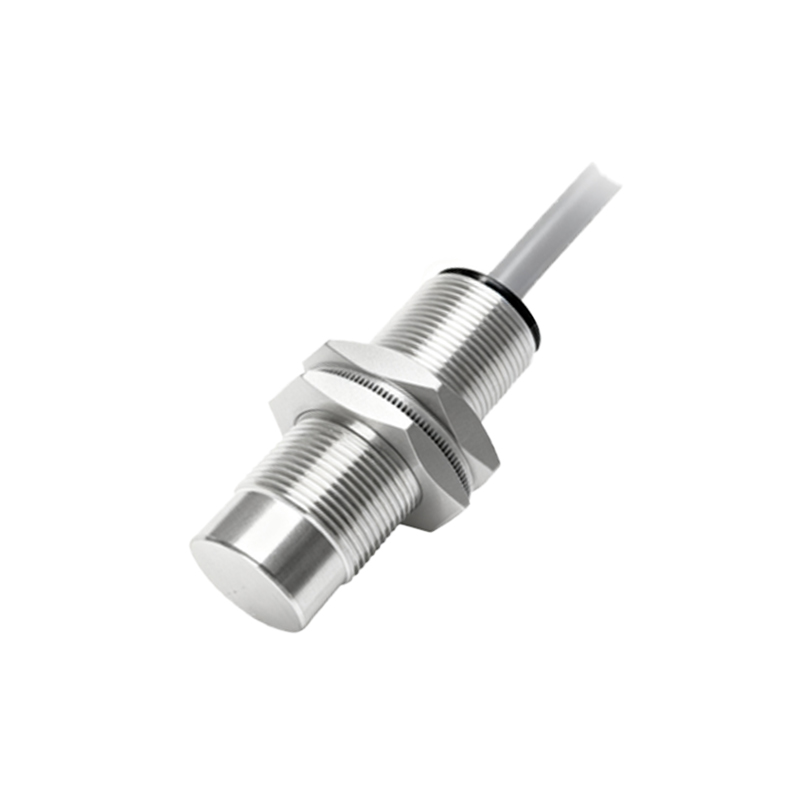
In automotive manufacturing, proximity sensors are ubiquitous. On assembly lines, inductive sensors reliably detect the presence of metal components like engine blocks, pistons, or chassis frames, even in environments saturated with oil, coolant, and grime. This detection triggers robotic arms for precise welding or signals conveyor systems to index to the next station. Capacitive sensors, on the other hand, are used to verify the presence of non-metallic materials such as glass windshields, rubber gaskets, or fluid levels in reservoirs before critical assembly steps proceed. This ensures process integrity and prevents costly errors downstream.
The packaging industry heavily relies on photoelectric and ultrasonic proximity sensors. Photoelectric sensors, using modulated infrared light beams, excel at detecting transparent films, colored labels on bottles, or counting items on high-speed filling lines. Their rapid response time and high accuracy are crucial for maintaining throughput. Ultrasonic sensors solve challenges where other technologies struggle, such as detecting clear glass jars, monitoring the fill level of viscous liquids in opaque containers, or ensuring proper stacking height on pallets, all impervious to color, transparency, or material composition.
Material handling and logistics present another prime arena. In automated storage and retrieval systems (AS/RS), inductive proximity sensors provide precise positioning feedback for shuttle carts and elevators, ensuring they stop accurately at designated rack locations. Magnetic proximity sensors (reed switches or Hall-effect sensors) are often employed on automated guided vehicles (AGVs) and conveyor diverters to sense magnetic markers embedded in the floor, guiding their path without complex vision systems. This enables flexible, efficient, and safe movement of goods within warehouses.
Machine safety is a paramount application. Safety-rated capacitive or ultrasonic sensors create non-contact guarding zones around hazardous machinery like press brakes, robotic cells, or milling centers. If an operator's hand or body part breaches this invisible barrier, the sensor sends an immediate stop signal to the machine's safety controller, preventing accidents. This offers a more flexible and maintenance-friendly alternative to traditional physical guards or light curtains in certain setups.
Even in harsh environments like metalworking or mining, specialized ruggedized inductive proximity sensors thrive. They monitor tool wear on CNC machines by detecting the gradual retreat of a metal tool holder, signaling the need for replacement before quality degrades. In hydraulic systems, they detect the position of piston rods inside cylinders, providing critical feedback for control loops. Their hermetically sealed housings withstand extreme pressure, temperature, and exposure to cutting fluids or abrasive dust.
The benefits of deploying proximity sensors are clear and multifaceted. They drastically reduce mechanical wear and tear by eliminating physical contact, leading to lower maintenance costs and longer service life. Their high switching speeds and reliability enable faster machine cycles and increased production efficiency. Furthermore, their inherent robustness allows them to perform consistently in dirty, wet, or vibratory conditions where mechanical limit switches would fail. By providing precise, real-time feedback, they are fundamental to achieving closed-loop control, enhancing product quality, and enabling sophisticated Industry 4.0 data collection for predictive maintenance and process optimization.
From ensuring a bottle cap is properly seated to safeguarding a worker near a robotic arm, proximity sensors are fundamental components that enhance safety, efficiency, and intelligence in industrial systems. Their continued evolution, with features like IO-Link for digital communication and enhanced sensing ranges, promises even greater integration and value in the automated factories of the future.