Photoelectric proximity sensors are indispensable components in modern industrial automation, offering non-contact detection capabilities for a wide range of applications. These sensors operate by emitting a beam of light, typically infrared, visible red, or laser, and detecting changes in the received light signal caused by the presence or absence of a target object. Their principle of operation grants them significant advantages over mechanical limit switches or inductive/capacitive proximity sensors, particularly in sensing non-metallic objects or achieving longer detection ranges.
The core technology of a photoelectric sensor involves three main components: an emitter (light source), a receiver (phototransistor or photodiode), and signal processing circuitry. The emitter generates a modulated light beam to enhance immunity to ambient light interference. The receiver converts the incoming light intensity into an electrical signal. This signal is then processed by the internal circuitry to produce a clean, reliable output—typically a digital ON/OFF signal—that interfaces seamlessly with programmable logic controllers (PLCs), robotics, and other control systems.
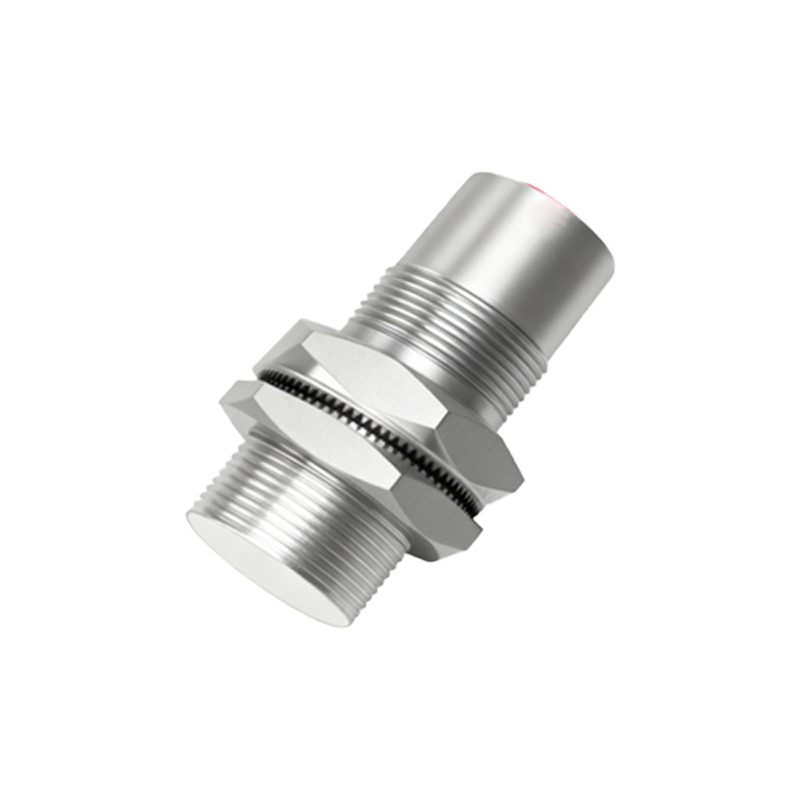
There are three primary sensing modes: through-beam, retro-reflective, and diffuse reflective. Through-beam sensors, also known as opposed mode sensors, consist of separate emitter and receiver units placed opposite each other. The detection occurs when an object interrupts the light beam traveling from the emitter to the receiver. This mode offers the longest sensing distance and highest reliability, as it is less affected by the object's color, surface finish, or angle. Common applications include material handling, packaging lines, and safety curtains.
Retro-reflective sensors house both the emitter and receiver in a single housing. They rely on a reflector, usually a corner-cube reflector, placed opposite the sensor to bounce the light beam back to the receiver. An object is detected when it blocks this reflected beam. These sensors simplify installation by requiring wiring on only one side, making them suitable for conveyor systems, door monitoring, and palletizing operations. A key consideration is that highly reflective or shiny objects might not be reliably detected, as they could mimic the reflector.
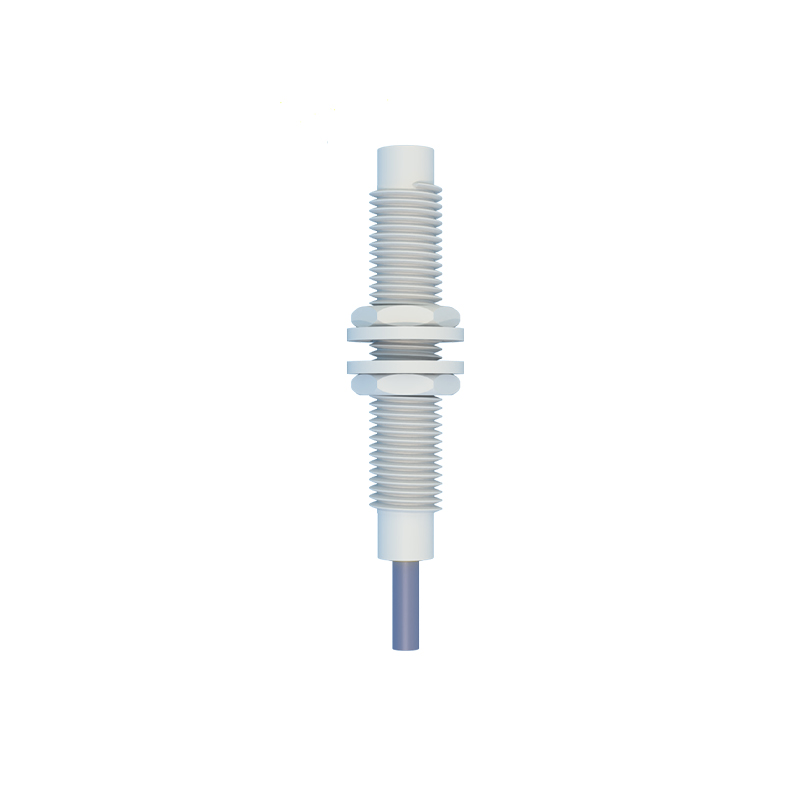
Diffuse reflective sensors, or proximity mode sensors, also integrate the emitter and receiver. They detect an object by measuring the light reflected directly off the object's surface. The detection range is shortest among the three modes and is heavily influenced by the object's color, material, and texture—lighter colors generally provide longer ranges than dark, absorbent surfaces. Despite this sensitivity, their compact, single-unit design makes them ideal for applications like part presence verification, bottle counting, and robotic end-effector tooling.
Selecting the appropriate photoelectric sensor requires careful analysis of several application parameters. Key specifications include sensing distance, response time, light source type, output configuration (NPN/PNP, NO/NC), and environmental ratings. For instance, in dusty or foggy environments, sensors with robust housings (IP67/IP69K ratings) and modulated light sources are essential to prevent false triggers. For high-speed sorting, fast response times in the microsecond range are critical. Laser-based sensors provide highly focused beams for precise detection of small objects or long-range applications, while infrared LEDs offer cost-effective solutions for general-purpose use.
Advanced features are continually enhancing sensor capabilities. Background suppression technology allows a diffuse sensor to ignore objects beyond a set distance, detecting only targets within a specific window. This is invaluable for precise positioning. Fiber optic versions enable sensing in extremely tight spaces or harsh conditions (high temperature, intense vibration) by using flexible cables to transmit light to and from the remote sensing head. Analog output sensors provide continuous distance or intensity information, enabling tasks like edge guiding or transparency monitoring.
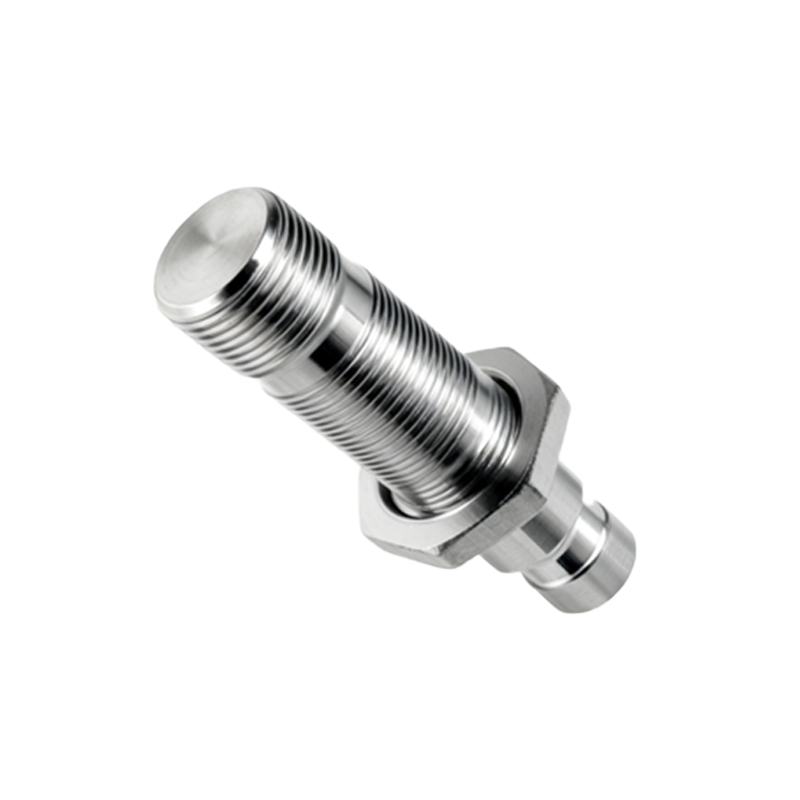
In practice, proper installation and alignment are crucial for optimal performance. Misalignment in through-beam or retro-reflective setups can cause intermittent failures. For diffuse sensors, the sensing distance must be derated for dark or non-reflective targets. Regular maintenance, such as cleaning the lens from oil, dust, or debris, ensures long-term reliability. Integrating these sensors into networked industrial systems via IO-Link communication further unlocks benefits like remote parameter configuration, condition monitoring, and predictive maintenance data.
From automotive assembly and food packaging to pharmaceutical manufacturing and logistics automation, photoelectric proximity sensors provide the essential "eyes" for automated systems. Their versatility, reliability, and evolving intelligence continue to drive efficiency, safety, and quality control across countless industries. Understanding their operating principles, modes, and selection criteria empowers engineers to design robust and effective automation solutions.