Magnetic proximity sensors are non-contact devices that detect the presence or absence of a magnetic field, typically generated by a permanent magnet. Their operation hinges on a fundamental principle: when a magnetic object, often called a target or actuator, enters the sensor's detection range, it triggers a change in the sensor's internal state, resulting in an electrical output signal. This simple yet robust mechanism makes them indispensable across countless industrial and commercial applications.
The core sensing elements vary, leading to different operational types. Reed switch sensors are among the oldest and simplest. They contain two ferromagnetic reeds sealed within a glass tube filled with inert gas. When an external magnetic field is applied, the reeds magnetize, attract each other, and make contact, closing the circuit. They are known for their low cost and ability to switch both AC and DC loads directly but can be susceptible to mechanical shock and have a limited switching speed.
Hall-effect sensors represent a more modern, solid-state solution. They utilize a semiconductor element. When this element is exposed to a perpendicular magnetic field, a small voltage, known as the Hall voltage, is generated across it. This voltage is then amplified and processed by integrated circuitry to produce a clean digital or analog output. Hall-effect sensors are highly reliable, offer fast response times, can measure magnetic field strength, and are immune to dust, oil, and non-ferrous contaminants. They are the preferred choice for demanding environments and precise positioning tasks.
A third common type is the magnetoresistive sensor. These devices exploit the magnetoresistive effect, where the electrical resistance of a material changes in the presence of a magnetic field. They are exceptionally sensitive and can detect very weak magnetic fields or small changes in field direction, making them suitable for advanced applications like rotary encoding or current sensing.
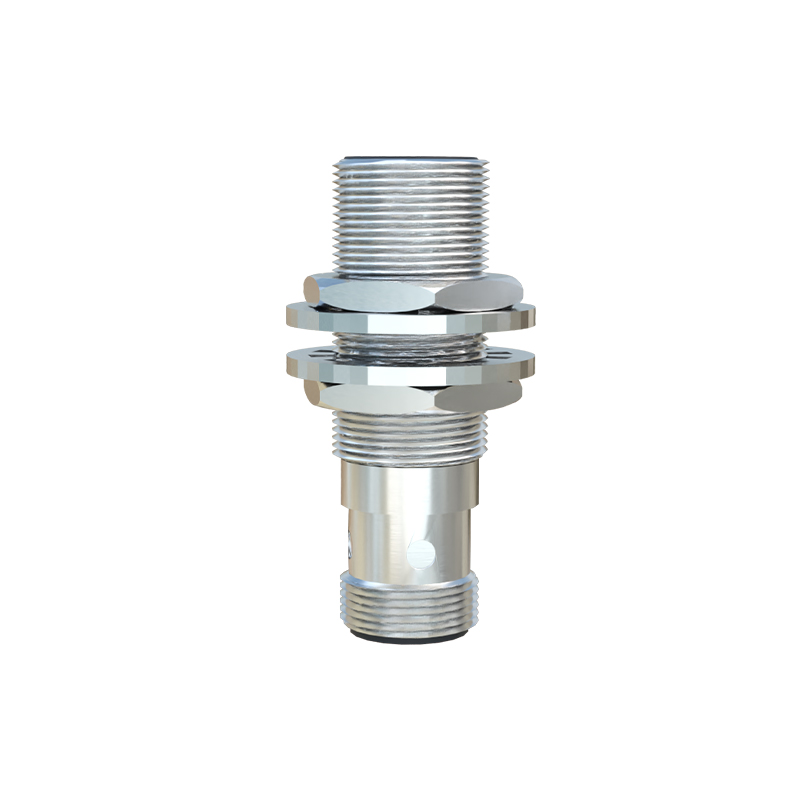
The advantages of magnetic proximity sensors are numerous. Their non-contact nature means there is no physical wear from mechanical actuation, leading to exceptionally long service life and high reliability. They are capable of high-speed operation, detecting targets moving at significant velocities. Their sealed construction makes them inherently resistant to harsh conditions, including exposure to water, oil, grease, dust, and vibrations. Furthermore, they can detect objects through non-ferrous materials like plastic, glass, or aluminum, enabling unique mounting configurations and protective encapsulation.
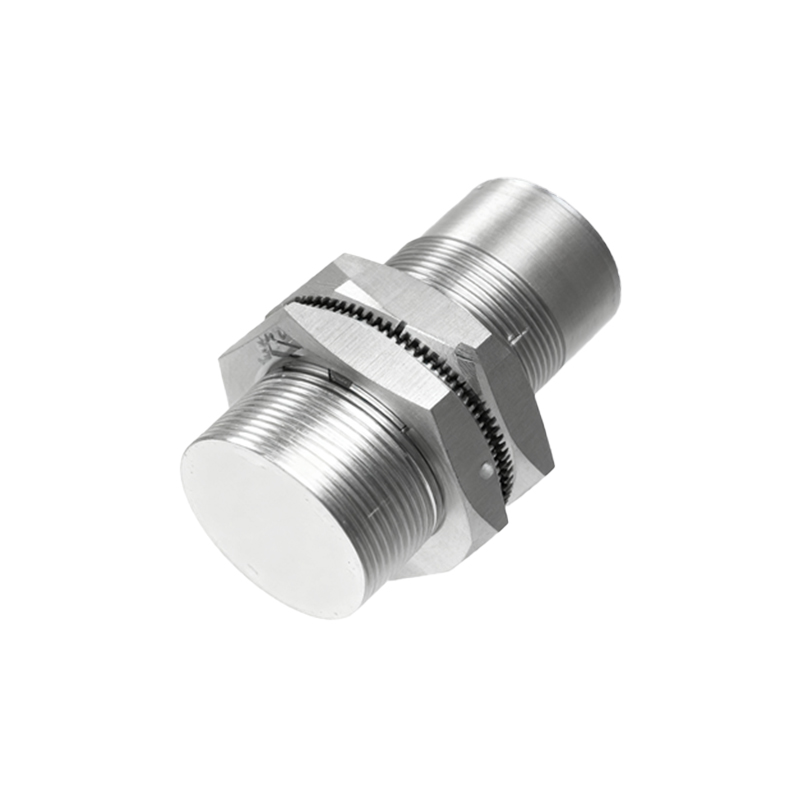
These characteristics drive their widespread use. In factory automation, they are ubiquitous for position sensing—detecting the open/closed state of cylinders, verifying part presence on conveyors, and serving as end-of-travel limit switches on linear actuators. The automotive industry relies on them for gearbox speed sensing, detecting pedal or seat position, and in anti-lock braking systems. Consumer electronics use miniature Hall sensors for flip-cover detection in laptops and tablets. They are also critical in safety systems, such as door and gate interlocks, ensuring machinery only operates when guards are securely closed.
Selecting the right magnetic proximity sensor requires careful consideration of several parameters. The sensing distance, or operating point, is the critical distance at which the sensor switches. The release point is the distance where it switches back. The difference between these is the hysteresis, which prevents output chatter when the target is near the switching threshold. The electrical output type must match the control system—common options include NPN/PNP transistor outputs (sourcing or sinking), analog voltage/current, or even IO-Link for smart sensor capabilities. The supply voltage range, switching frequency, and environmental protection rating (IP or NEMA) are equally vital. Finally, the physical form factor—tubular, rectangular, or slot-style—must suit the mechanical installation.
Installation and environmental factors are crucial for optimal performance. The sensor must be aligned correctly with the magnetic target, as the sensing distance can vary significantly with axial versus lateral approach. Strong external magnetic fields from motors or heavy currents can interfere with operation, necessitating adequate shielding or separation. While resistant to contaminants, ferrous dust or chips can accumulate on the sensor face and potentially attenuate the magnetic field, requiring periodic inspection in dirty environments.
In conclusion, magnetic proximity sensors offer a versatile, durable, and cost-effective solution for object detection. From the simple reed switch to the sophisticated Hall-effect and magnetoresistive variants, they provide the backbone for automation, safety, and control systems worldwide. Understanding their operating principles, key advantages, and selection criteria empowers engineers and technicians to implement reliable sensing solutions that enhance efficiency and safety in virtually any setting.