In the realm of industrial automation and machine design, the reliable detection of objects is paramount. Among the diverse array of sensing technologies available, diffuse reflective proximity sensors, often simply called diffuse sensors, stand out for their versatility and widespread application. Unlike through-beam or retro-reflective sensors that require separate components, a diffuse sensor houses both the emitter and the receiver in a single housing. This article delves into the operational principles, key characteristics, common applications, and critical selection factors for these essential components.
The fundamental principle of a diffuse sensor is based on the triangulation of light. The sensor's internal light source, typically a modulated infrared (IR) LED or, in some models, a visible red or laser light, emits a beam towards a target. When this beam strikes an object within its sensing range, a fraction of the light is diffusely reflected in all directions. A portion of this scattered light returns to the photoelectric receiver (phototransistor or photodiode) located within the same sensor housing. The onboard electronics then evaluate the intensity of the received signal. If this intensity exceeds a pre-set threshold—the sensitivity setting or teach-in point—the sensor's output switches state, indicating the presence of the object.
This operational mode offers distinct advantages. The single-unit design simplifies installation, requiring wiring and mounting on only one side of the detection area. It is ideal for applications where mounting a separate reflector or receiver is impractical due to space constraints, cost, or mechanical complexity. Diffuse sensors can detect a wide variety of materials, including metals, plastics, wood, cardboard, and even transparent films or liquids, depending on the technology and tuning. However, this mode also introduces specific considerations. The effective sensing range is influenced by the target's size, color, and surface texture. A large, white, matte surface will reflect more light and can be detected at a greater distance than a small, black, shiny object. This characteristic necessitates careful application analysis.
Modern diffuse sensors incorporate sophisticated features to overcome common challenges. Background suppression is a crucial technology, particularly in versions known as background suppression (BGS) or convergent beam sensors. These sensors use optical triangulation in a more precise manner, allowing them to detect an object only within a specific, defined distance window. Objects beyond this defined "background" distance are ignored. This is invaluable for detecting objects on a conveyor belt while ignoring the belt itself or a more distant machine frame. Another advanced variant is the color contrast sensor, which can differentiate between surfaces based on their grayscale or color value, not just their presence.
The applications for diffuse reflective proximity sensors are extensive across nearly every industry. In packaging and material handling, they count bottles, detect the presence of boxes on a conveyor, or verify the fill level in containers. In automotive assembly, they confirm the placement of components or parts. In printing and paper processing, they monitor paper jams or sheet presence. They are used in automated storage and retrieval systems for pallet detection, in food and beverage for liquid level control, and in electronics manufacturing for PCB positioning. Their ability to detect non-metallic objects makes them a perfect complement to inductive proximity sensors, which are limited to metals.
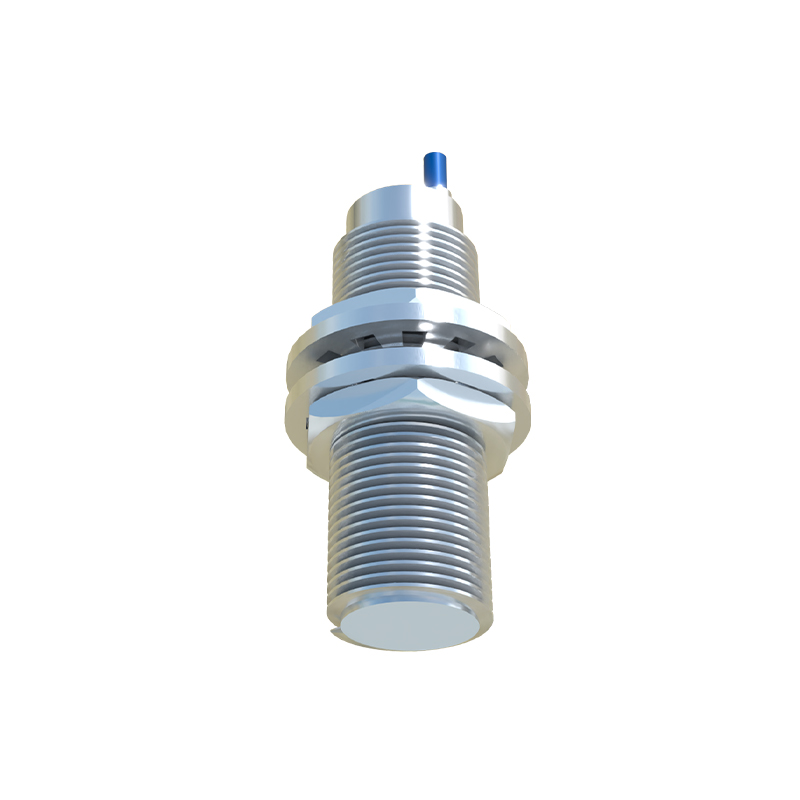
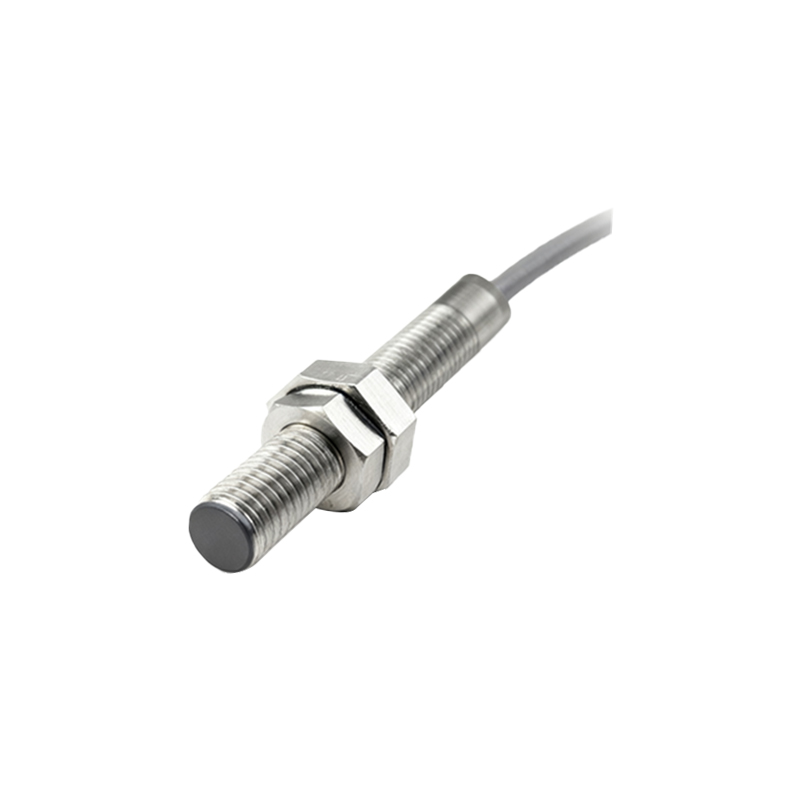
Selecting the appropriate diffuse sensor requires a systematic evaluation of several parameters. First, define the sensing distance required, but always refer to the sensor's datasheet for the standard sensing distance, typically defined for a matte white target. For non-ideal targets, a reduction factor must be applied. Second, consider the target properties: size, color, material, and surface finish. For challenging targets like transparent glass or shiny metal, a sensor with polarized filters or specialized optics may be necessary. Third, the environmental conditions are critical. Factors such as ambient light (sunlight or high-intensity lamps), dust, fog, steam, or temperature extremes can affect performance. Sensors with robust housing (IP67/IP69K ratings), modulated LED light to ignore ambient light, and temperature compensation are essential for harsh environments. Fourth, the electrical requirements: output type (PNP/NPN, NO/NC), supply voltage, and connection method (pre-wired cable or quick-disconnect). Finally, the physical form factor—cylindrical (e.g., M8, M12, M18, M30) or rectangular—must suit the mounting constraints.
In conclusion, diffuse reflective proximity sensors are a cornerstone of non-contact object detection. Their self-contained design, material versatility, and evolving technological features like background suppression make them an indispensable tool for engineers. Successful implementation hinges on a thorough understanding of their operating principle and a careful matching of sensor specifications to the specific application demands. By considering the target, environment, range, and output needs, engineers can leverage these sensors to create robust, reliable, and efficient automated systems.