In the demanding landscape of modern industrial automation, the reliability of sensing technology directly impacts operational efficiency, safety, and maintenance costs. Among the critical components in this domain, oil-resistant proximity sensors stand out as specialized devices engineered to perform with unwavering accuracy in environments contaminated with oils, coolants, and other aggressive fluids. These sensors are not merely standard proximity units with added seals; they represent a holistic design philosophy focused on enduring chemical exposure, mechanical stress, and long-term operational stability.
The core function of a proximity sensor is to detect the presence or absence of an object without physical contact, typically using electromagnetic, inductive, capacitive, or ultrasonic principles. In oil-prone settings—common in machining centers, automotive manufacturing, food processing with edible oils, and hydraulic systems—standard sensors face rapid degradation. Oils can penetrate housing, degrade seals, coat sensing faces, and alter the dielectric properties of the medium, leading to false triggers, reduced sensing ranges, and ultimately, catastrophic failure. An oil-resistant proximity sensor is specifically designed to counteract these challenges. Key design features often include:
Specialized Housing Materials: Utilizing stainless steel (such as SUS303, SUS304), nickel-plated brass, or high-grade engineering plastics like PPS or PBT that resist swelling, cracking, or chemical attack from industrial oils and synthetic coolants.
Advanced Sealing Technologies: Incorporation of multiple static seals (O-rings) and dynamic seals made from materials like FKM (Viton) or NBR, which maintain elasticity and sealing force even after prolonged exposure to hydrocarbons and extreme temperatures.
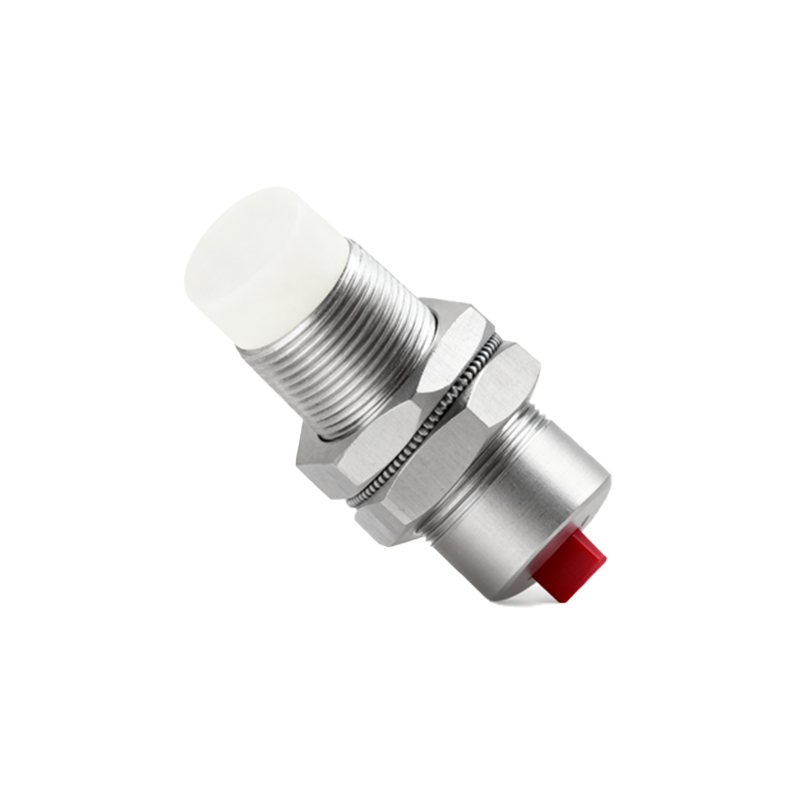
Protected Sensing Face: A sensing face often made of a chemically inert material or coated with a protective layer (e.g., Teflon) to prevent oil film buildup that could dampen the sensing field. Some designs feature a flush-mounted style to eliminate cavities where contaminants can accumulate.
Robust Electrical Connections: Potented cable entries or connectors with high IP (Ingress Protection) ratings, typically IP67, IP68, or IP69K, ensuring the internal electronics are completely isolated from fluid ingress, high-pressure washdowns, and particulate matter.
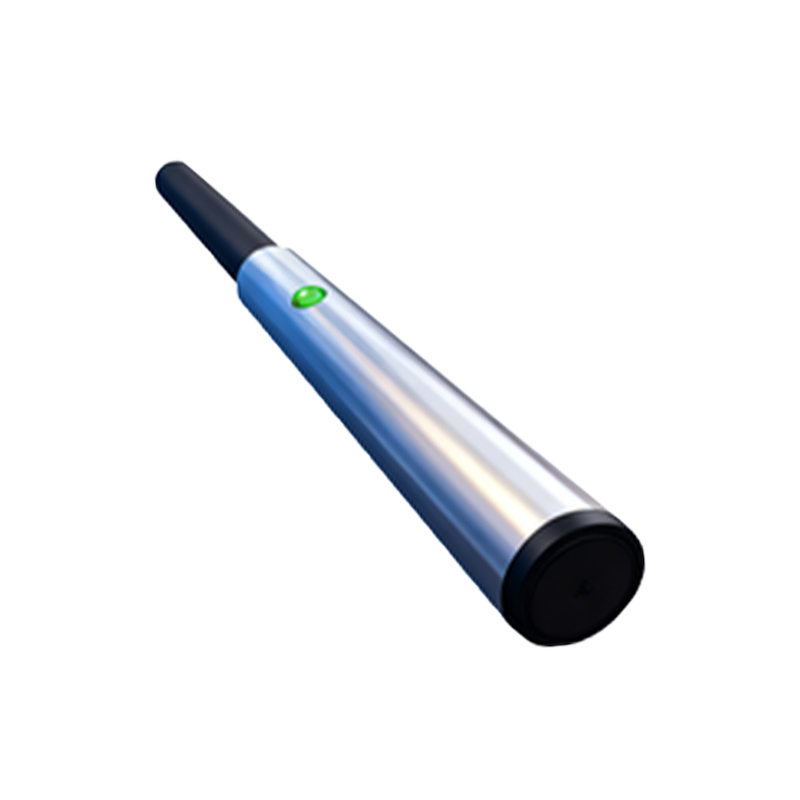
The selection criteria for an oil-resistant proximity sensor extend beyond basic environmental ratings. Engineers must consider the sensor's sensing distance relative to its housing size, the target material (ferrous or non-ferrous metals), the operating frequency for high-speed applications, and the output configuration (PNP/NPN, NO/NC). Furthermore, compatibility with the specific type of oil is paramount. For instance, sensors rated for standard mineral oils may not withstand the additive packages in synthetic gear oils or the acidic nature of certain cutting fluids. Consulting manufacturer datasheets for chemical resistance charts is a non-negotiable step in the specification process.
Applications are vast and critical. On a CNC machining line, these sensors reliably detect tool position or workpiece clamping amidst constant coolant spray. In automotive assembly, they monitor robotic arm movements near hydraulic presses. Within food and beverage plants, sensors resistant to plant-based oils ensure hygienic packaging operations. Their failure in such spots can cause unplanned downtime, product quality defects, or even safety incidents.
Maintenance, while significantly reduced compared to standard sensors, is not eliminated. Regular visual inspections for physical damage, cleaning of the sensing face with compatible solvents, and periodic functional checks are recommended to ensure longevity. The investment in a premium oil-resistant sensor often yields a superior total cost of ownership by minimizing change-outs, production halts, and quality control issues.
In conclusion, oil-resistant proximity sensors are indispensable enablers of robust automation. Their specialized design embodies a deep understanding of industrial harshness, translating into predictable performance where ordinary sensors would falter. Specifying the correct sensor for an oily environment is a strategic engineering decision, one that safeguards productivity and reinforces the resilience of the entire manufacturing ecosystem. As industries push toward smarter and more demanding operations, the role of these hardened components will only become more pronounced.