In industrial automation systems, proximity sensors are indispensable components for non-contact detection of objects. However, their reliability and accuracy are heavily dependent on one often-overlooked element: the mounting bracket. A properly designed and selected fixed bracket is not merely a mechanical holder; it is a critical interface that ensures optimal sensor performance, longevity, and system safety. This article delves into the engineering principles, material considerations, and application-specific guidelines for proximity sensor mounting brackets.
The primary function of a mounting bracket is to provide a rigid, stable, and precise platform for the sensor. Vibration is a common enemy in industrial environments, originating from motors, conveyors, or heavy machinery. A bracket with insufficient stiffness or improper damping can transmit these vibrations to the sensor, leading to false triggering, signal noise, or premature mechanical failure. Therefore, bracket design must account for the resonant frequencies present in the installation environment. Materials like powder-coated steel or anodized aluminum are preferred for their excellent strength-to-weight ratio and vibration-dampening properties compared to standard plastics.
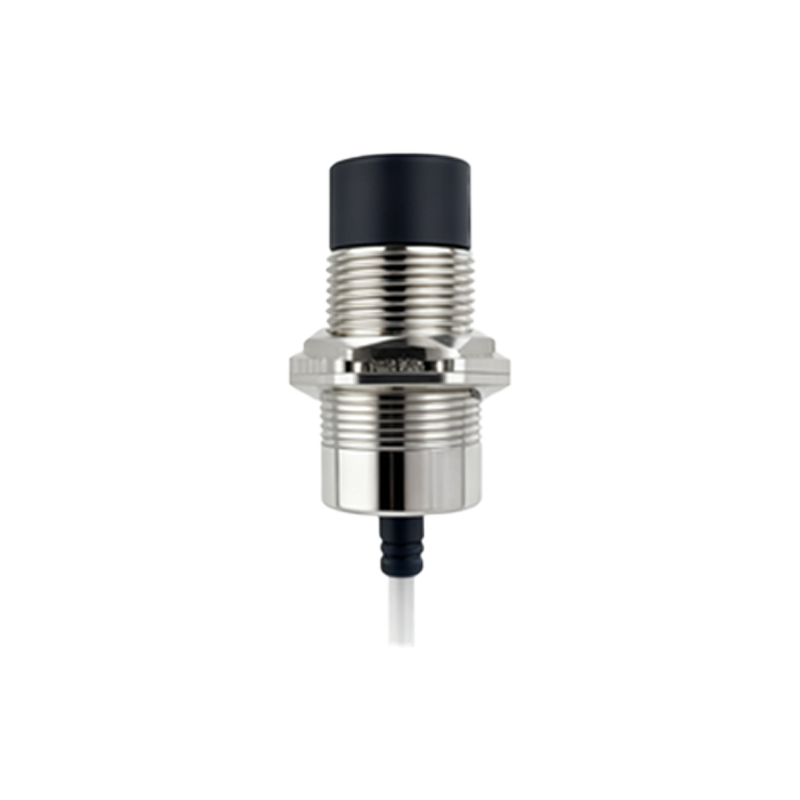
Precision in positioning is paramount. The bracket must allow for fine adjustments in multiple axes—typically horizontal, vertical, and rotational—to achieve the exact sensing distance and alignment required by the application. For instance, sensing a small metallic target on a fast-moving assembly line demands sub-millimeter accuracy. Many professional-grade brackets incorporate slotted holes, swivel joints, or micrometer-style adjustment screws to facilitate this precise calibration during installation and maintenance. The locking mechanism, whether it uses lock nuts, set screws, or quick-release levers, must hold this position securely against operational stresses.
Environmental factors dictate material and coating selection. In washdown areas common in food & beverage or pharmaceutical industries, brackets must withstand frequent exposure to corrosive cleaning agents, high-pressure water, and extreme temperatures. Stainless steel (e.g., AISI 304 or 316) brackets with polished surfaces are the standard here, as they resist corrosion and are easy to clean. For outdoor applications or in foundries, brackets may require additional protective coatings or be made from materials resistant to UV degradation, moisture, and high ambient heat.
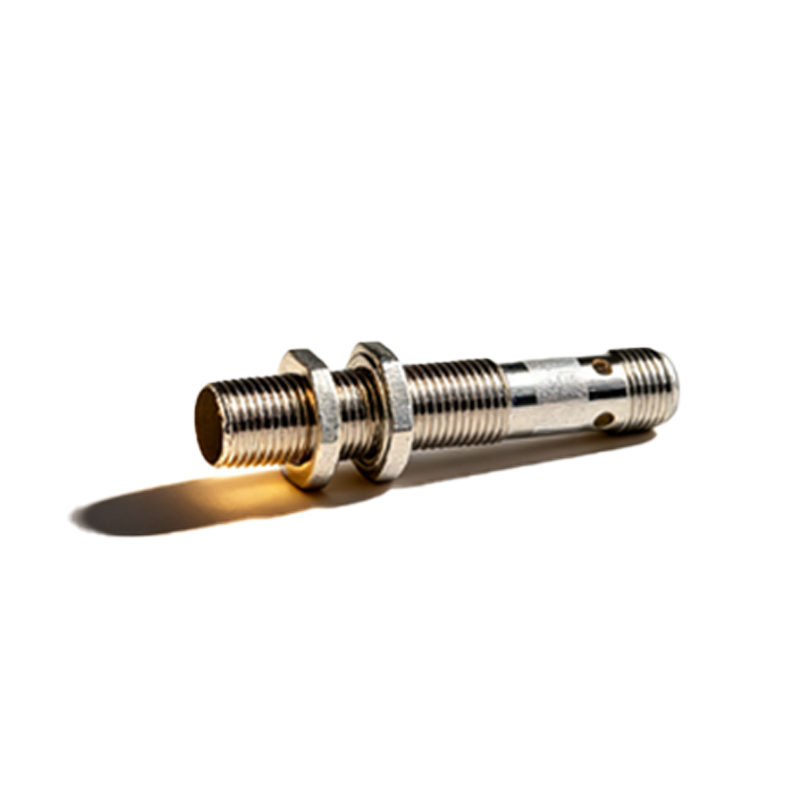
The mounting interface itself is a key design consideration. Brackets must be compatible with the standard mounting threads on sensors (common types include M8, M12, M18, and M30 threaded barrels) and the structure to which they are attached (e.g., T-slot aluminum extrusions, DIN rails, or custom machine frames). A wide array of standardized bracket types exists: L-shaped brackets for right-angle mounting, adjustable arm brackets for reaching over conveyors, dual-sensor brackets for synchronized detection, and flush-mount brackets for protected installation. Selecting the correct type minimizes installation time and ensures mechanical integrity.
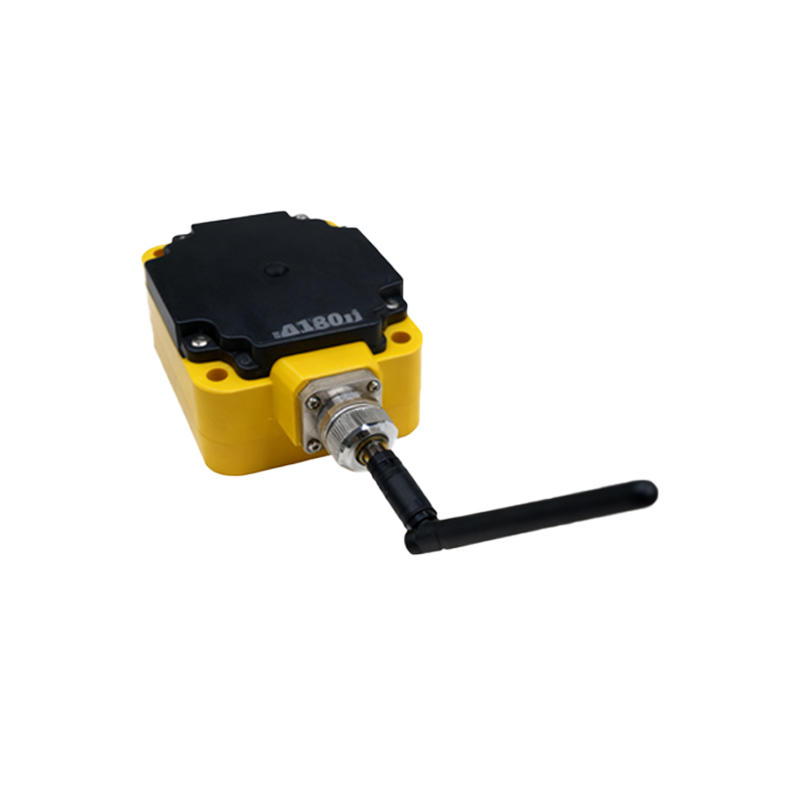
Electrical and operational safety is non-negotiable. The bracket must provide adequate strain relief for the sensor's cable or connector, preventing tension from being transferred to the electrical terminals. In high-vibration zones, using a bracket with an integrated cable clamp or a flexible conduit entry point is a best practice. Furthermore, the bracket should not create a safety hazard; edges should be deburred, and the design should avoid sharp protrusions that could snag or injure personnel.
From a maintenance perspective, a well-designed bracket allows for easy sensor replacement or recalibration without requiring complete disassembly of the surrounding equipment. Modular bracket systems with quick-release features can significantly reduce machine downtime. It is also advisable to consider future modifications; a slightly more adjustable or robust bracket than the immediate application requires can offer valuable flexibility for process changes.
In conclusion, specifying a proximity sensor mounting bracket should never be an afterthought. It requires a systematic evaluation of mechanical loads, environmental conditions, required precision, and safety standards. Investing in high-quality, application-appropriate brackets enhances the reliability of the entire sensing system, reduces false stops in production lines, and extends the service life of valuable sensor assets. By treating the bracket as an integral part of the sensor system, engineers can build more robust, accurate, and maintainable automation solutions.