In the modern automotive landscape, the seamless integration of electronic systems is paramount for safety, convenience, and performance. Among the myriad of components enabling this integration, the automotive proximity sensor stands out as a critical, yet often underappreciated, technology. This article delves into the fundamentals, types, operational principles, and key applications of these sensors, providing a comprehensive overview for industry professionals and enthusiasts alike.
At its core, an automotive proximity sensor is a non-contact electronic device designed to detect the presence or absence of an object within a specified range without any physical contact. It achieves this by emitting a field or beam of electromagnetic radiation, such as infrared light, radio waves, or ultrasonic sound, and analyzing the changes in the return signal. The primary function is to provide real-time data to the vehicle's electronic control units (ECUs), which then trigger appropriate actions, ranging from simple alerts to complex automated maneuvers.
Several types of proximity sensors are employed in vehicles, each with distinct advantages and ideal use cases. The most prevalent types include:
1. Ultrasonic Sensors: These sensors emit high-frequency sound waves (ultrasonic pulses) and measure the time taken for the echo to return after bouncing off an object. They are highly effective for short-range detection and are predominantly used in Parking Assistance Systems (PAS) and Automatic Parking systems. Typically mounted on bumpers, they create a sonic map of the vehicle's immediate surroundings.

2. Electromagnetic/Inductive Sensors: These sensors generate an oscillating electromagnetic field. When a metallic object enters this field, it induces eddy currents within the object, which in turn alter the sensor's oscillation characteristics. This change is detected and processed. They are commonly used for detecting the position of rotating metallic components, such as in anti-lock braking systems (ABS) for wheel speed sensing or in transmission systems.
3. Capacitive Sensors: Operating on the principle of capacitance change, these sensors can detect both metallic and non-metallic objects (like liquids or plastics). They measure the change in capacitance when an object enters the sensor's electrostatic field. Applications include liquid level sensing in reservoirs (e.g., washer fluid, coolant) and touch-sensitive control panels within the cabin.
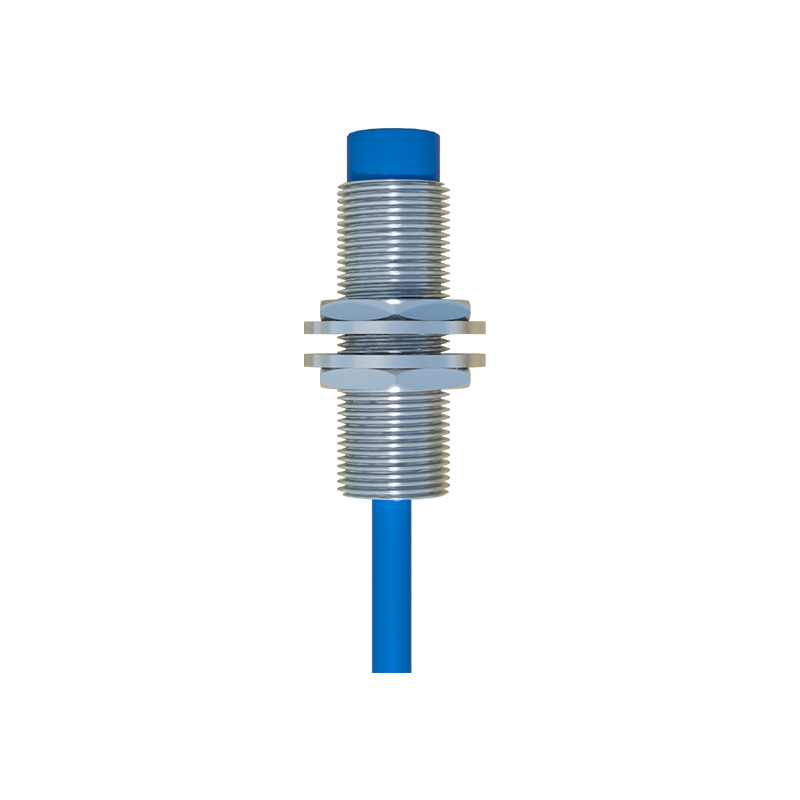
4. Optical/Infrared (IR) Sensors: These utilize infrared light-emitting diodes (LEDs) and photodetectors. The presence of an object interrupts or reflects the IR beam, which is detected. They are often found in rain-sensing wiper systems, where they detect water droplets on the windshield, and in systems that prevent doors from closing on obstacles.
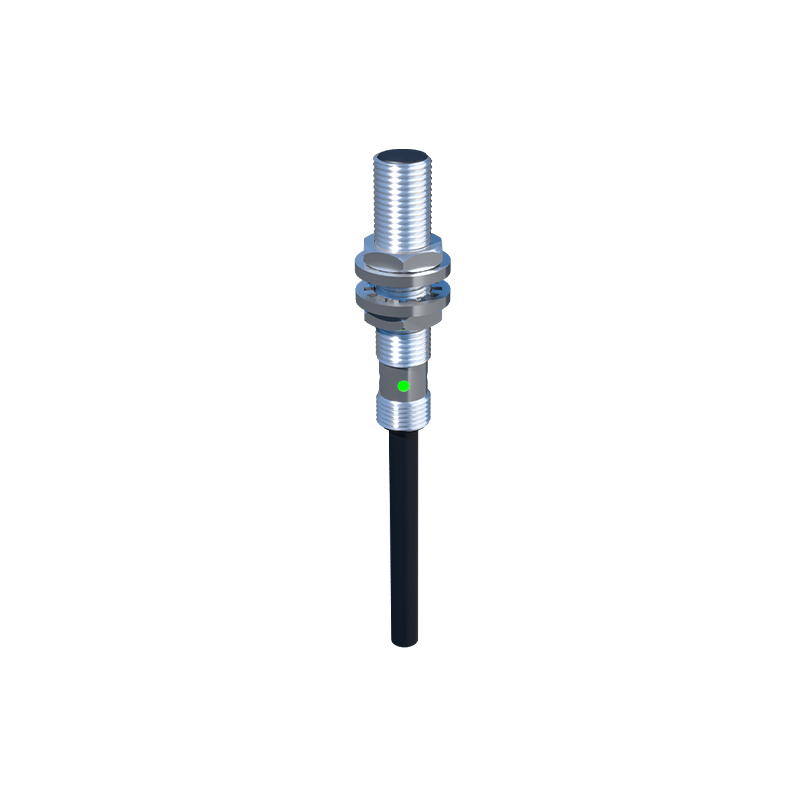
5. Radar Sensors: Utilizing radio waves, radar sensors are capable of long-range detection and can measure an object's distance, speed, and angle with high accuracy. They are the cornerstone of Advanced Driver-Assistance Systems (ADAS) like Adaptive Cruise Control (ACC), Automatic Emergency Braking (AEB), and Blind Spot Detection (BSD). Modern radar units are often integrated into the vehicle's grille or fascia.
6. LiDAR Sensors: While more common in autonomous vehicle development, LiDAR (Light Detection and Ranging) uses pulsed laser light to create high-resolution 3D maps of the environment. It offers exceptional precision for object detection and classification.
The operational workflow of a proximity sensor system involves three key stages: Signal Emission, Signal Reception/Modification, and Signal Processing. The sensor's transducer emits a specific energy signal. This signal interacts with the target object—it may be reflected, absorbed, or otherwise altered. The modified signal is captured by a receiver. Finally, the sensor's internal circuitry or an external ECU processes this signal, comparing it to a baseline to determine the presence, distance, and sometimes the nature of the object. An output signal is then generated, which can be a simple switch closure, a variable voltage, or a digital data packet transmitted via communication protocols like CAN (Controller Area Network).
The applications of automotive proximity sensors are vast and continually expanding. Key applications include:
Parking Assistance: Ultrasonic sensors provide audible and visual cues to prevent collisions while parking.
Collision Avoidance: Radar and camera-based systems monitor the road ahead and can initiate braking if an imminent collision is detected.
Blind Spot Monitoring: Radar sensors mounted on the rear corners of the vehicle alert the driver to vehicles in adjacent lanes.
Cross-Traffic Alert: Using rear-facing radar, this system warns drivers of approaching traffic when reversing out of parking spaces.
Automatic Door Systems: In minivans or luxury vehicles, sensors prevent doors from closing if an obstacle is detected.
Comfort and Convenience: Hands-free tailgate opening systems use capacitive or IR sensors to detect a foot gesture under the rear bumper.
Vehicle