Sonar proximity sensors, also known as ultrasonic sensors, are widely utilized across various industries for non-contact distance measurement and object detection. These devices operate on a principle inspired by biological echolocation, similar to that used by bats and dolphins. By emitting high-frequency sound waves and analyzing their reflections, sonar sensors provide reliable and accurate proximity data even in challenging environmental conditions.
The core working mechanism of a sonar proximity sensor involves a transmitter and a receiver. The transmitter, typically a piezoelectric transducer, generates ultrasonic sound waves at frequencies usually ranging from 40 kHz to 200 kHz, which are beyond the range of human hearing. These sound pulses travel through the air at the speed of sound, approximately 343 meters per second under standard conditions. When these waves encounter an object in their path, they are reflected back toward the sensor. The receiver, often another piezoelectric element, detects these returning echoes.
The sensor's electronic circuitry then measures the time interval between the emission of the sound pulse and the reception of its echo. This time-of-flight (ToF) is crucial for calculating the distance to the object. Using the formula Distance = (Speed of Sound × Time of Flight) / 2, the sensor computes the precise distance. The division by two accounts for the round-trip journey of the sound wave. Modern sensors incorporate microcontrollers to perform these calculations rapidly and output the data in various formats, such as analog voltage, current (e.g., 4-20 mA), or digital signals via protocols like IO-Link or Modbus.
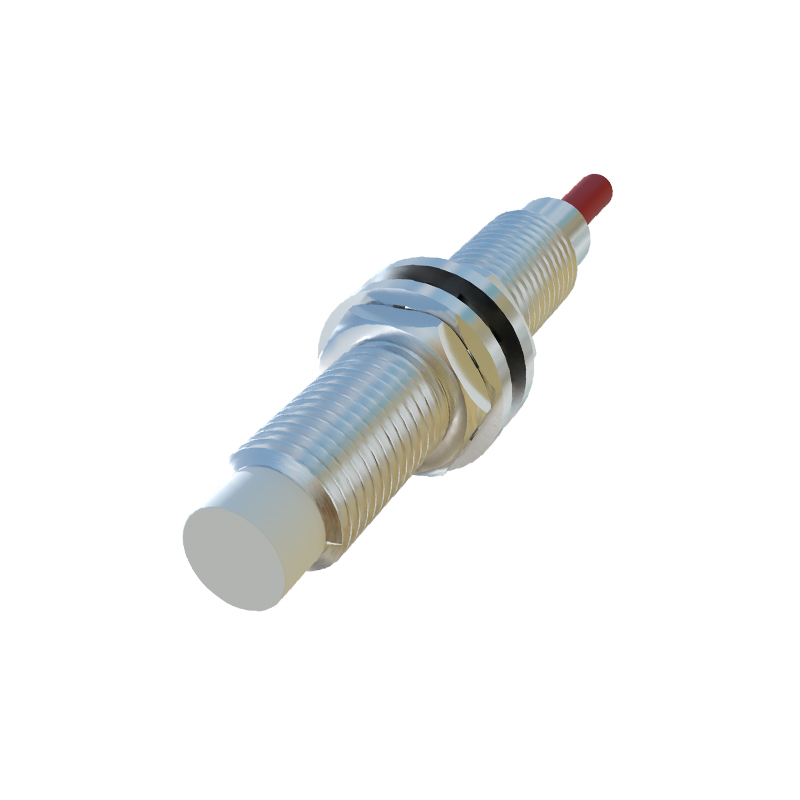
One of the significant advantages of sonar proximity sensors is their insensitivity to color, transparency, or ambient light conditions, unlike optical sensors. They perform consistently whether detecting clear glass, dark surfaces, or objects in brightly lit or completely dark environments. However, their performance can be influenced by factors such as temperature, humidity, and air turbulence, as these affect the speed of sound. Many advanced models include temperature compensation circuits to adjust the speed of sound parameter dynamically, ensuring measurement accuracy.
The applications of sonar proximity sensors are extensive. In industrial automation, they are used for level sensing in tanks, bottle counting on conveyor lines, and robot navigation. In the automotive sector, they serve as parking aids and collision avoidance systems. Their robustness also makes them suitable for harsh environments, including those with dust, moisture, or vapors, provided the sensor's ingress protection (IP) rating is appropriate.
When selecting a sonar sensor, engineers must consider parameters such as sensing range, beam angle, response time, and output type. The sensing range varies from a few centimeters to several meters. A narrower beam angle is preferable for precise detection of small objects, while a wider angle is beneficial for area monitoring. The response time determines how quickly the sensor can update the distance reading, which is vital for high-speed applications.
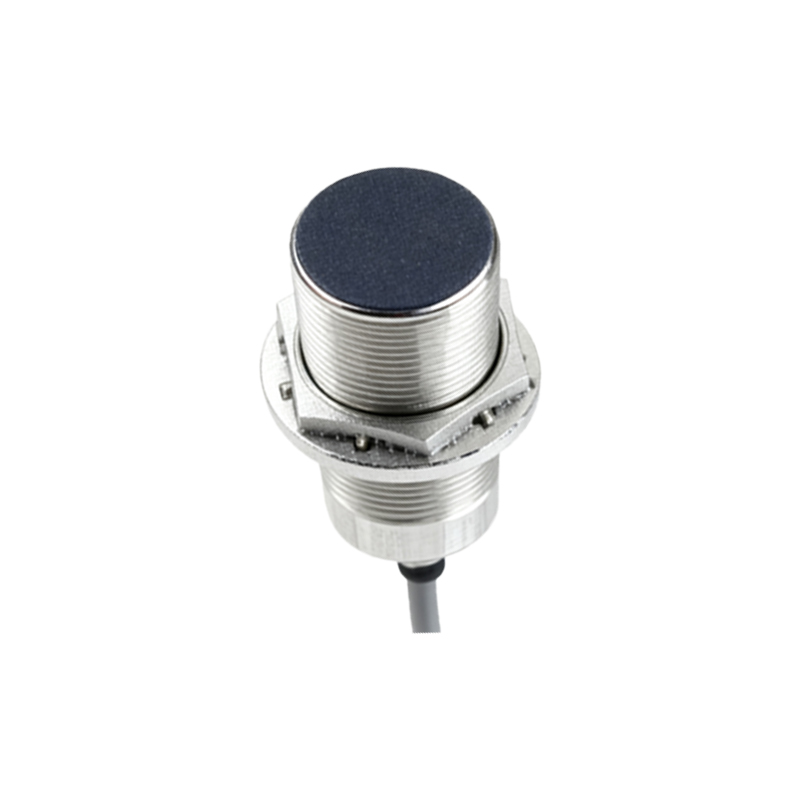
In summary, sonar proximity sensors offer a versatile and reliable solution for non-contact detection and ranging. Their ability to operate effectively in diverse and demanding settings underscores their importance in modern industrial and technological systems. Continuous advancements in signal processing and sensor design are further enhancing their accuracy, miniaturization, and integration capabilities, solidifying their role in the future of automation and smart sensing.