In the realm of industrial automation and precision control, proximity sensors are indispensable components for detecting the presence or absence of objects without physical contact. Among the diverse types available, fiber optic proximity sensors stand out for their unique capabilities and versatility. This article delves into the operational principles, key advantages, common applications, and critical factors for selecting the right fiber optic sensor for specific industrial needs.
At its core, a fiber optic proximity sensor operates by transmitting light through a flexible fiber optic cable. The system typically consists of a light source (often an LED or laser diode), the optical fiber cable, and a photodetector or receiver. There are two primary sensing modes: through-beam and diffuse reflective. In the through-beam mode, the transmitter and receiver are housed in separate units. An object is detected when it interrupts the light beam traveling from the transmitter fiber to the receiver fiber. This mode offers the longest sensing range and highest accuracy. The diffuse reflective mode integrates both transmitter and receiver into a single housing. Detection occurs when light emitted from the transmitter reflects off the target object and is captured by the receiver. This configuration simplifies installation but typically has a shorter sensing range.
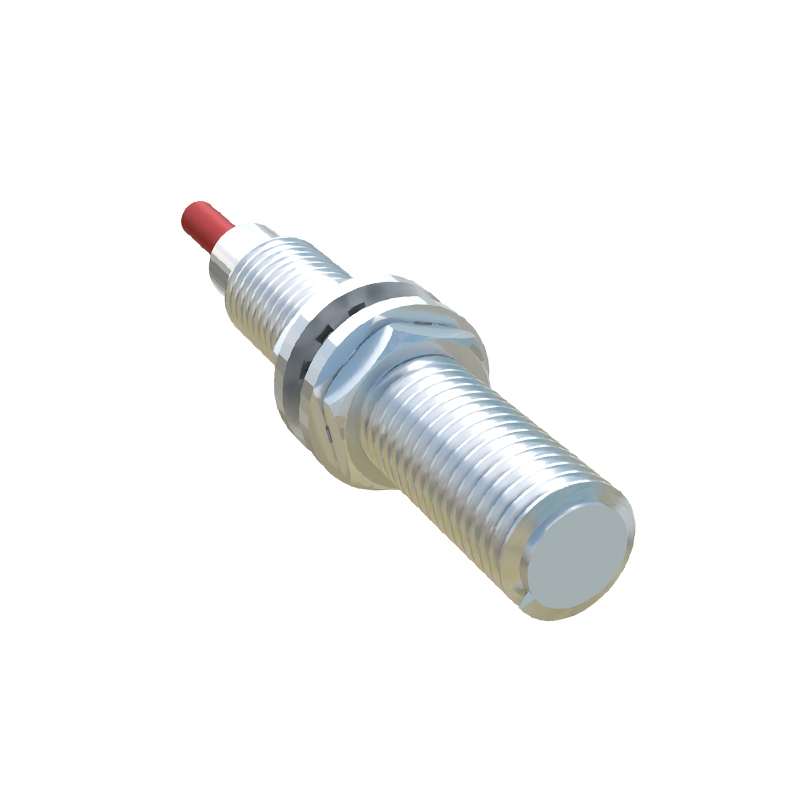
The advantages of fiber optic sensors over traditional inductive, capacitive, or ultrasonic proximity switches are substantial. First and foremost is their immunity to electromagnetic interference (EMI) and radio frequency interference (RFI). This makes them ideal for use in environments with strong electrical noise, such as near welding equipment, large motors, or variable frequency drives. Secondly, their sensing heads are extremely small, allowing them to detect minute objects or be installed in confined spaces where conventional sensors cannot fit. The flexible fiber cables enable sensing in hazardous, high-temperature, or highly corrosive environments by separating the sensitive electronics from the harsh sensing point. Furthermore, they offer very fast response times, often in the microsecond range, suitable for high-speed counting or sorting applications. Finally, they are inherently safe for use in explosive atmospheres as they do not generate sparks and can be designed with intrinsically safe barriers.
Applications for fiber optic proximity sensors are widespread across manufacturing and processing industries. In electronics assembly, they reliably detect tiny components like microchips, connectors, and PCB positions. Within packaging machinery, they verify the presence of labels, caps, and products on high-speed conveyor lines. The textile industry utilizes them for edge guiding and break detection of fine threads or fibers. In metalworking, they are employed to monitor tool presence, part ejection, and wafer positioning in semiconductor fabrication. Their non-metallic nature also makes them perfect for food and pharmaceutical applications where hygiene and resistance to washdown are critical.
Selecting the appropriate fiber optic proximity sensor requires careful consideration of several parameters. The first is the sensing mode: through-beam for maximum reliability and range, or diffuse reflective for easier single-point installation. The nature of the target object is crucial—its color, material, surface finish, and size all affect the sensor's performance. Dark, matte, or transparent materials pose challenges that may require sensors with specific light wavelengths or high-power models. The required sensing distance must be determined, keeping in mind that the published range is typically for a standard white reference target. Environmental conditions such as ambient temperature, potential exposure to chemicals, oils, or dust, and the need for IP-rated enclosures must be evaluated. The choice of fiber optic cable material (often glass or plastic) and tip configuration (straight, right-angle, focused, or divergent) depends on the installation geometry. Finally, compatibility with the controller—output type (PNP/NPN, analog, IO-Link), supply voltage, and connection method—is essential for seamless integration.
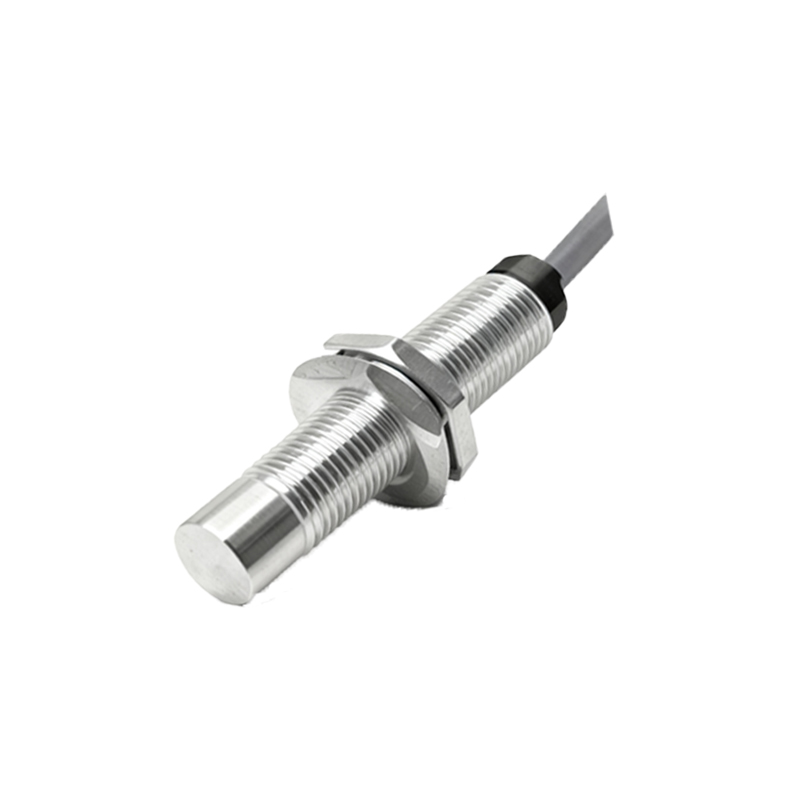
Proper installation and maintenance are key to long-term reliability. Fibers should be routed carefully to avoid sharp bends beyond the minimum bend radius, which can cause light attenuation or cable damage. The sensing tips must be kept clean from dust, debris, or condensation. Periodic verification of the alignment in through-beam systems is recommended. Many modern sensors feature built-in diagnostics like stability indicators or teach-in functions for simplified setup and troubleshooting.
In conclusion, fiber optic proximity sensors offer a powerful sensing solution where environmental toughness, small size, speed, and immunity to interference are paramount. By understanding their working principles and meticulously matching sensor specifications to the application requirements, engineers can significantly enhance the reliability, efficiency, and capability of automated systems. As technology advances, these sensors continue to evolve with features like smarter diagnostics and enhanced connectivity, solidifying their role as a critical tool in the industrial sensor landscape.