In the realm of industrial automation and control systems, proximity sensors stand as fundamental components, enabling non-contact detection of objects. A proximity sensor manufacturing plant is a hub of precision engineering, where raw materials are transformed into reliable, high-performance devices. The production process is a meticulous sequence of stages, each critical to ensuring the final product meets stringent industry demands.
The journey begins with the procurement of high-grade materials. The core sensing elements, often based on inductive, capacitive, ultrasonic, or photoelectric principles, require specific substrates and alloys. For inductive sensors, ferrite cores and copper windings are essential. Capacitive sensors demand stable dielectric materials, while photoelectric types rely on precisely calibrated LEDs and phototransistors. The housing materials, typically robust plastics like PBT or metals such as stainless steel or brass, are selected for durability, environmental resistance (e.g., IP67 ratings), and electromagnetic compatibility.
The heart of manufacturing lies in the assembly of the sensing coil or oscillator circuit. For inductive sensors, this involves automated winding machines that layer copper wire with exacting precision around the ferrite core. This coil is then potted with a specialized epoxy resin to protect against vibration, moisture, and thermal stress. The electronic circuitry, comprising oscillators, amplifiers, and output switches (like NPN or PNP transistors), is assembled on printed circuit boards (PCBs) using Surface Mount Technology (SMT) lines. Automated optical inspection (AOI) systems scrutinize every solder joint and component placement for defects.
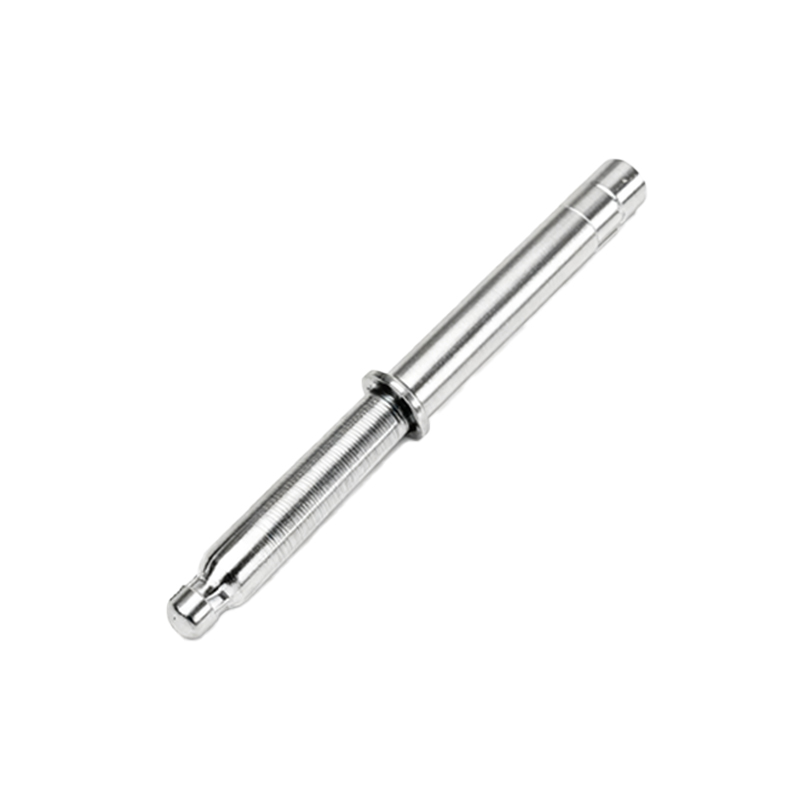
Calibration and testing are arguably the most critical phases. Each sensor must be tuned to its specified sensing range. This is performed in controlled environments using precision fixtures and reference targets. Key parameters tested include the switching point accuracy, repeatability, hysteresis, temperature drift, and response time. Sensors are subjected to environmental stress tests, including thermal cycling, humidity exposure, and vibration tests, to validate their performance under conditions mimicking real-world industrial settings. Compliance with international standards such as IEC 60947-5-2 is rigorously verified.
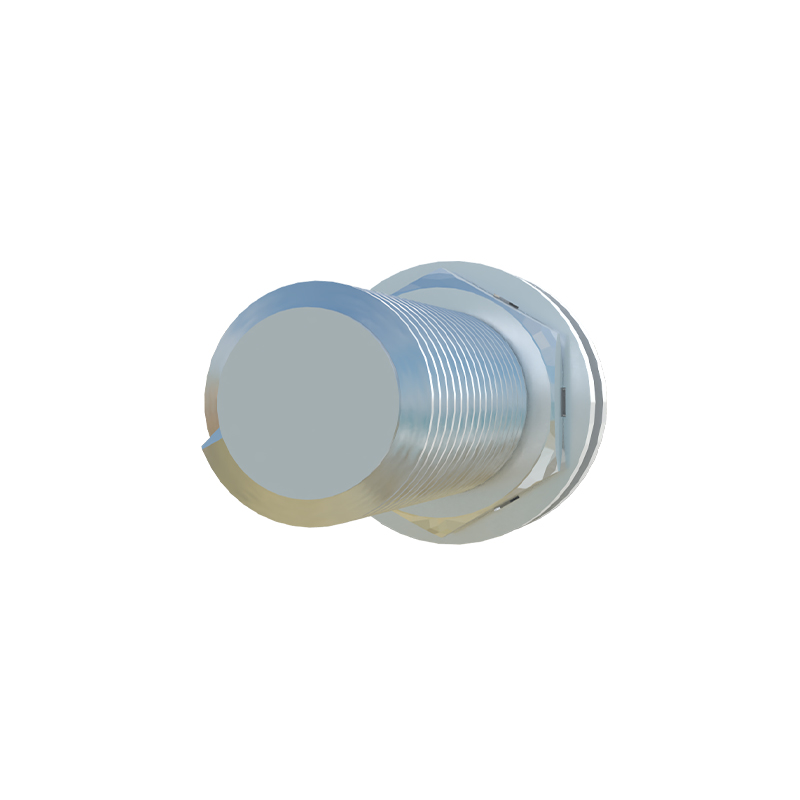
The final assembly involves integrating the sensing head, electronics, and housing. Laser marking is used for permanent labeling of model numbers, ratings, and certifications (CE, UL). Quality assurance performs final functional tests, often using automated test rigs that simulate the sensor's operation in an application. A statistical sampling from each production batch may undergo more destructive or life-cycle testing to ensure long-term reliability.
Modern proximity sensor plants are increasingly integrating Industry 4.0 principles. IoT-enabled machines on the shop floor provide real-time production data, predictive maintenance alerts, and traceability for every unit produced. This digital thread ensures that any performance deviation can be traced back to its source, enhancing overall quality control.
The industry is driven by trends demanding miniaturization, higher switching frequencies, and enhanced intelligence. Manufacturers are developing sensors with IO-Link communication capability, allowing for parameter setting, process monitoring, and diagnostic data exchange directly with the controller. This transforms the simple sensor into a smart device within the networked factory.
Choosing a reputable proximity sensor manufacturer hinges on evaluating their production capabilities, quality management systems (like ISO 9001), technical support, and ability to provide customized solutions for specific applications, whether in automotive assembly, packaging machinery, or material handling. The robustness of the manufacturing process directly correlates with the sensor's performance in preventing downtime and ensuring seamless automation.
In conclusion, a proximity sensor manufacturing plant is a symphony of advanced materials science, electronic engineering, and rigorous quality control. The relentless focus on precision, reliability, and innovation within these facilities is what empowers modern automated systems to perceive their environment accurately and operate with unwavering efficiency.