In the realm of industrial automation, proximity and distance sensing technologies serve as critical components for enhancing operational efficiency, safety, and precision. These sensors, often referred to as proximity sensors or distance sensors, detect the presence or absence of objects within a defined range without physical contact. Their applications span across manufacturing lines, robotics, material handling, and safety systems, making them indispensable in modern industrial settings.
Proximity sensors primarily operate based on electromagnetic, capacitive, or inductive principles. Inductive sensors, for instance, are ideal for detecting metallic objects by generating an electromagnetic field. When a metal object enters this field, it induces eddy currents, causing a change in the sensor's oscillation amplitude, which triggers a signal. These sensors are commonly used in high-speed counting, position verification, and machine tool monitoring. Capacitive sensors, on the other hand, can detect both metallic and non-metallic materials, including liquids and plastics, by measuring changes in capacitance. They are valuable in level detection, packaging, and assembly processes.
Distance sensing, often achieved through ultrasonic, infrared (IR), or laser-based technologies, provides precise measurement of an object's distance from the sensor. Ultrasonic sensors emit sound waves and calculate distance based on the time taken for the echo to return, making them suitable for harsh environments with dust or moisture. IR sensors use infrared light to detect objects, offering fast response times and high accuracy in controlled conditions. Laser distance sensors, leveraging laser triangulation or time-of-flight methods, deliver exceptional precision for applications like robotic guidance, dimensional inspection, and automated warehousing.
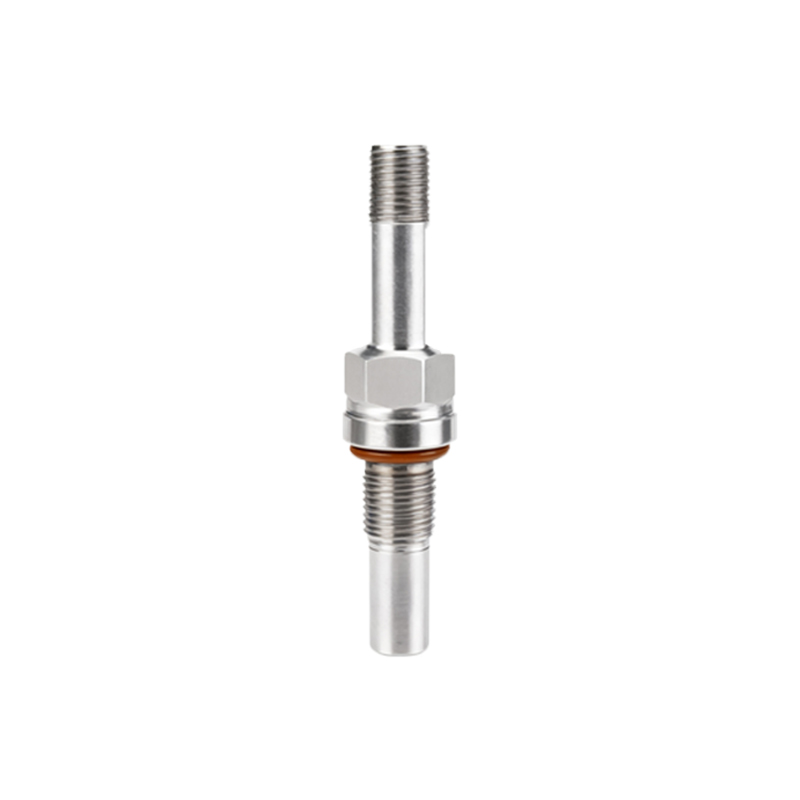
The integration of proximity and distance sensing into automation systems enables advanced functionalities such as object avoidance, automated positioning, and predictive maintenance. For example, in robotic arms, these sensors facilitate smooth pick-and-place operations by ensuring accurate object detection and distance measurement, reducing cycle times and minimizing errors. In safety applications, they can trigger emergency stops or alarms when personnel or obstacles encroach on hazardous zones, adhering to standards like ISO 13849 for machine safety.
Recent advancements in sensor technology have led to the development of smart sensors with embedded intelligence, such as IO-Link communication capabilities. These sensors can transmit diagnostic data, including temperature fluctuations, signal strength, and calibration status, to central control systems. This allows for real-time monitoring and proactive maintenance, reducing downtime and optimizing productivity. Additionally, the rise of Industry 4.0 has spurred the adoption of wireless and networked sensors, enabling seamless integration with IoT platforms for data analytics and remote management.
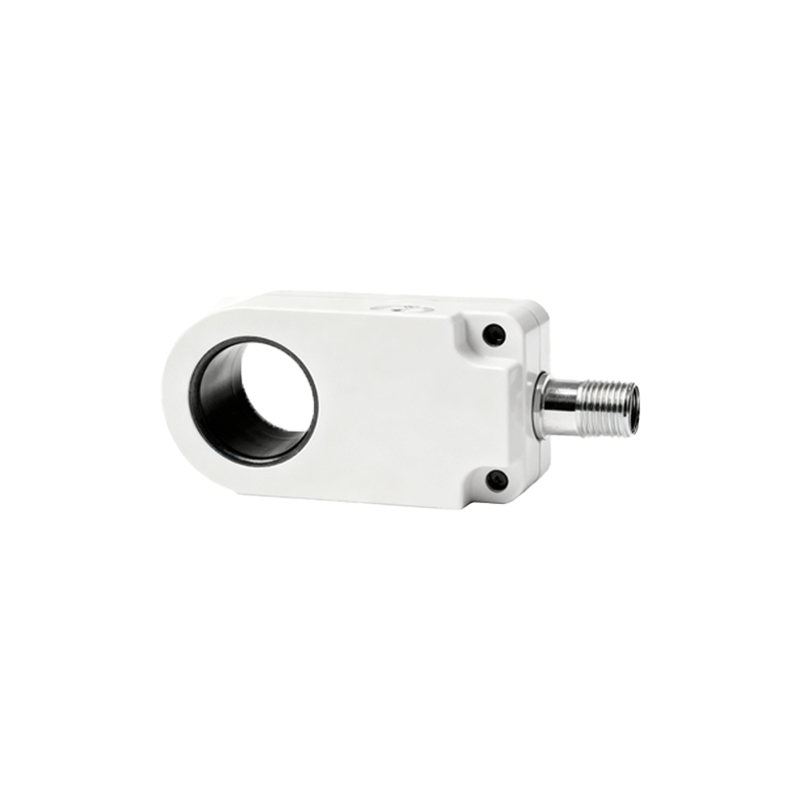
When selecting proximity or distance sensors for industrial applications, engineers must consider factors like sensing range, environmental conditions, response time, and output type (e.g., analog, digital, or PWM). For instance, in high-temperature environments, sensors with robust housings and thermal stability are essential. Similarly, in applications requiring rapid detection, sensors with millisecond-level response times are preferred. Calibration and alignment also play crucial roles in ensuring accuracy, especially for distance sensors used in precision tasks.
In conclusion, proximity and distance sensing technologies are pivotal to the evolution of industrial automation. By providing reliable, non-contact detection and measurement, they contribute to smarter, safer, and more efficient operations. As industries continue to embrace digital transformation, these sensors will likely evolve with enhanced connectivity, miniaturization, and AI-driven capabilities, further revolutionizing automation landscapes.