In the vast landscape of industrial automation and process control, sensors act as the critical sensory organs, providing the essential data that drives intelligent decision-making. Among the diverse sensor families, analog proximity sensors hold a distinct and vital position. Unlike their digital counterparts that provide a simple on/off signal, analog proximity sensors offer a continuous output signal proportional to the distance to the target object. This nuanced data capability makes them indispensable for applications requiring precision measurement, continuous monitoring, and fine-grained control.
At their core, analog proximity sensors operate on the same fundamental principles as standard proximity sensors, primarily inductive, capacitive, or ultrasonic technologies. Inductive sensors generate an electromagnetic field to detect metallic objects, while capacitive sensors can detect both metallic and non-metallic materials by sensing changes in capacitance. Ultrasonic sensors use sound waves to measure distance to a wide variety of objects. The key differentiator lies in the signal processing. Instead of triggering a switch at a predefined threshold, the sensor's internal circuitry is designed to produce a smoothly varying analog output. This output is typically a voltage (e.g., 0-10V) or a current (e.g., 4-20mA) signal. As the target object moves closer to or farther from the sensing face, the output signal changes proportionally across its entire range. For instance, in a 4-20mA current loop system, 4mA might correspond to the maximum sensing distance, and 20mA to the minimum, with every distance in between represented by a specific current value.
The advantages of this analog functionality are significant. It enables precise positioning and distance measurement without physical contact, which is crucial for protecting delicate surfaces. Engineers can use them to monitor thickness, control tension in web processes, detect fill levels in tanks by measuring the position of a float or the material itself, or perform intricate sorting tasks based on object height or diameter. The continuous feedback allows for real-time adjustments in control systems, leading to higher quality, reduced waste, and optimized processes. Furthermore, the standardized analog signals like 4-20mA are highly resistant to electrical noise over long cable runs, a common challenge in industrial environments.
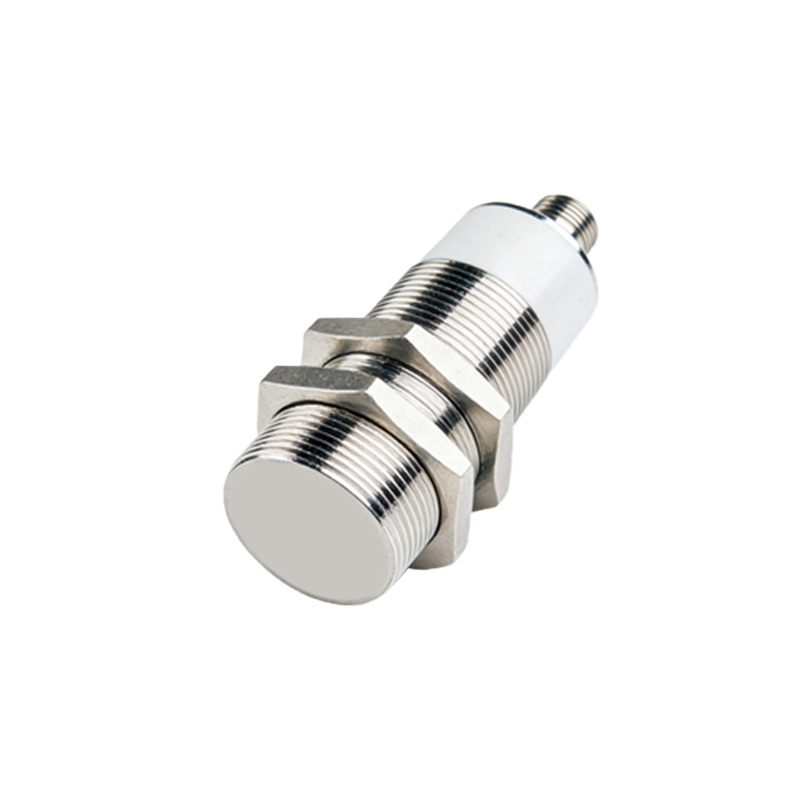
Selecting the right analog proximity sensor requires careful consideration of several parameters beyond just the sensing technology. The measuring range is paramount; it defines the minimum and maximum distances over which the sensor provides a linear analog output. Operating outside this linear range leads to inaccurate readings. The repeatability and linearity specifications indicate how consistently and accurately the output signal represents the actual distance. High linearity ensures a predictable, straight-line relationship between distance and output. Response time is critical for high-speed applications, dictating how quickly the sensor can reflect a change in target position. Environmental factors cannot be ignored. Sensors are rated with an Ingress Protection (IP) code for resistance to dust and water. For harsh settings involving coolants, oils, or chemicals, sensors with robust housing materials like stainless steel or PBT plastic are necessary. The choice between voltage and current output also depends on the control system's input requirements and the installation distance.
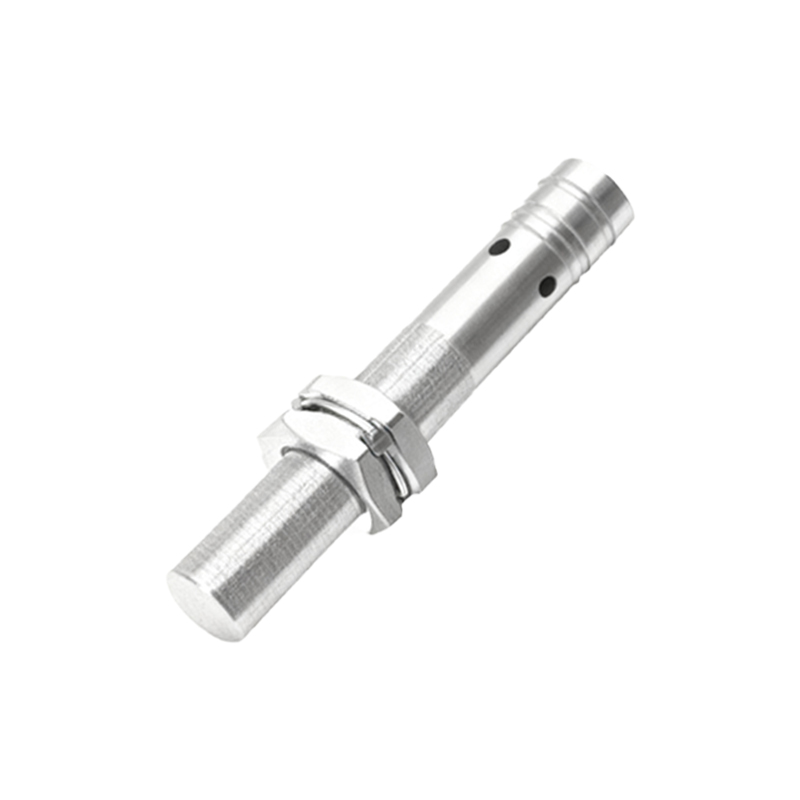
Installation and calibration are final, crucial steps. Mounting must be secure and vibration-free. The sensor should be positioned to avoid interference from other metal objects in the case of inductive sensors, or from non-target materials for capacitive sensors. Many analog sensors feature teach-in functionality, allowing users to easily set the output signal range (e.g., scaling 0-10V to correspond to a specific min/max distance) directly on the machine, simplifying integration with PLCs (Programmable Logic Controllers) or other control units.
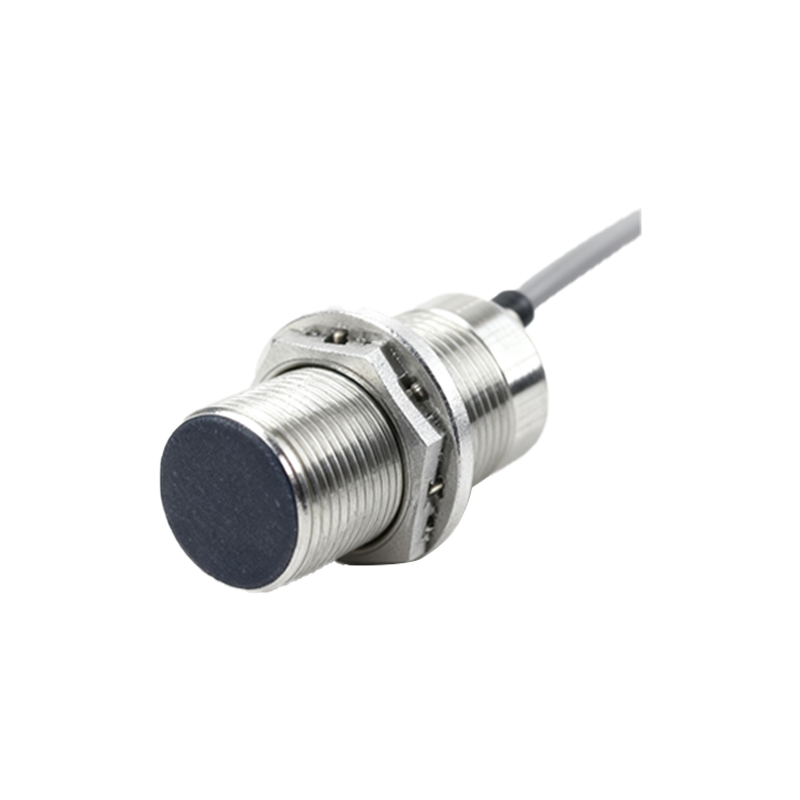
In conclusion, analog proximity sensors bridge the gap between simple detection and precise measurement. Their ability to deliver a continuous stream of distance-proportional data unlocks advanced capabilities in automation, from robotic guidance and assembly verification to complex process control. By understanding their operating principles, key specifications, and application requirements, engineers and technicians can effectively leverage these powerful tools to build smarter, more efficient, and more responsive automated systems. As Industry 4.0 pushes for greater data granularity and interconnectivity, the role of the analog proximity sensor as a reliable source of analog process variables is set to remain fundamentally important.