Proximity sensors are critical components in modern forklift systems, enhancing safety, efficiency, and operational reliability. These sensors detect the presence or absence of objects within a specific range without physical contact, using various technologies tailored to industrial environments. In forklifts, they primarily prevent collisions, assist in positioning, and enable automated functions.
The most common types used in forklifts are inductive, capacitive, and ultrasonic proximity sensors. Inductive sensors are widely employed for metal detection. They operate by generating an electromagnetic field from a coil fed with an alternating current. When a metallic object enters this field, eddy currents are induced in the object, causing a change in the sensor's oscillation amplitude. This change triggers a signal to the forklift's control system, alerting it to the object's presence. These sensors are ideal for detecting forks, pallets, or nearby machinery, but they do not work effectively with non-metallic materials.
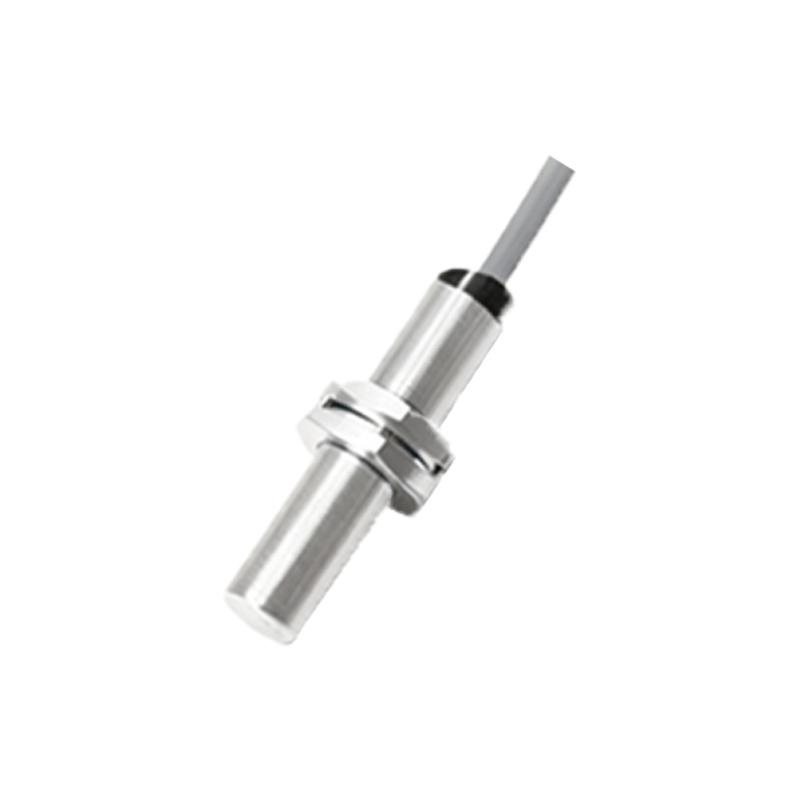
Capacitive proximity sensors can detect both metallic and non-metallic objects, such as wood, plastic, or liquids. They function by creating an electrostatic field between two electrodes. When an object enters this field, it alters the capacitance, leading to a change in the oscillator circuit. This detection is useful in forklifts for handling diverse loads or monitoring fluid levels in hydraulic systems. However, they may be sensitive to environmental factors like humidity.
Ultrasonic sensors use sound waves beyond human hearing, typically at frequencies above 20 kHz. They emit ultrasonic pulses and measure the time taken for echoes to return after hitting an object. By calculating the distance based on the speed of sound, these sensors provide precise ranging data, helping forklifts navigate tight spaces, avoid obstacles, or assist in automated stacking. They perform well in dusty or dirty conditions but can be affected by temperature variations or soft materials that absorb sound.
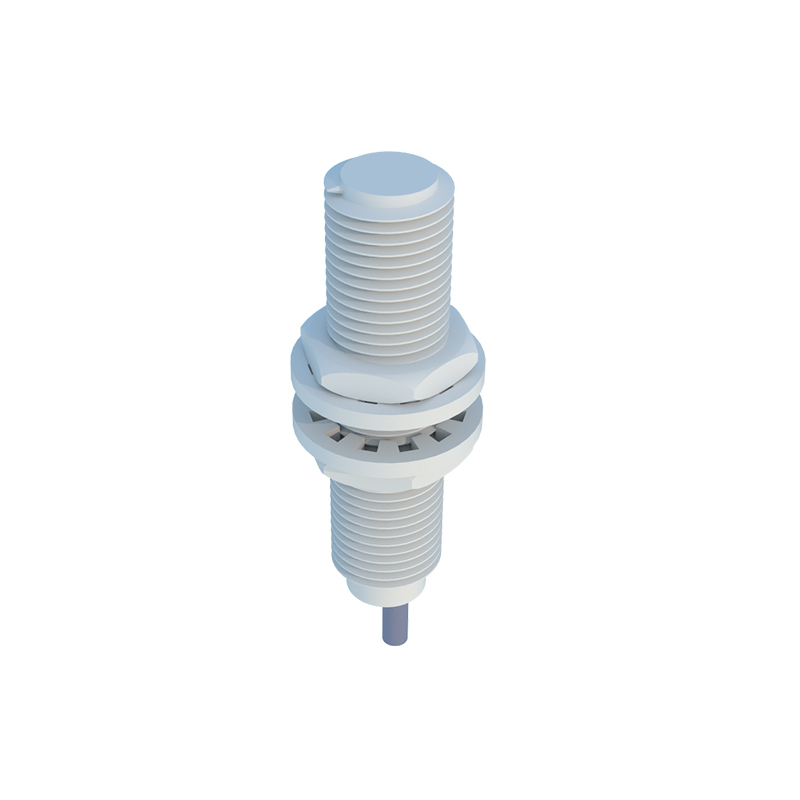
In forklift applications, proximity sensors integrate with the vehicle's electronic control unit (ECU). For instance, sensors mounted on the front or sides can create a safety zone, automatically reducing speed or applying brakes if an obstacle is detected. This reduces accident risks in warehouses. Additionally, sensors on the mast or forks aid in load handling, ensuring accurate alignment with pallets without manual adjustment. Some advanced systems combine multiple sensor types for comprehensive coverage, using data fusion to improve accuracy.

Installation and calibration are crucial for optimal performance. Sensors must be positioned to avoid blind spots and shielded from interference, such as electromagnetic noise from motors. Regular maintenance, including cleaning and testing, ensures longevity. As Industry 4.0 advances, smart sensors with IoT connectivity are emerging, enabling real-time monitoring and predictive maintenance for forklift fleets.
Overall, proximity sensors in forklifts rely on electromagnetic, electrostatic, or acoustic principles to enable non-contact detection. Their implementation not only boosts safety by preventing collisions but also enhances productivity through automation. Understanding these technologies helps engineers select the right sensor for specific operational needs, contributing to smoother and safer material handling processes.