In the demanding world of industrial automation and control systems, proximity switch sensors are ubiquitous components, silently performing critical detection tasks in environments rife with dust, moisture, vibration, and chemical exposure. The long-term reliability and consistent performance of these sensors are not solely dependent on their internal electronic design or sensing technology; a crucial, often underappreciated, factor is the encapsulation or potting process. This protective layer, typically a thermosetting polymer resin, serves as the sensor's primary defense against the external world. The selection of the appropriate encapsulation material and the precise execution of the potting process are fundamental engineering decisions that directly impact product lifecycle, mean time between failures (MTBF), and overall system uptime.
The primary function of sensor encapsulation is to provide robust environmental protection. Unprotected electronic components are vulnerable to short-circuiting from condensation, conductive dust, or direct liquid ingress. Encapsulation creates a hermetic or near-hermetic seal, safeguarding sensitive circuitry from humidity, water (often rated by IP67, IP68, or IP69K standards), and corrosive agents like oils, coolants, and mild acids commonly found in manufacturing settings. Furthermore, the potting compound mechanically stabilizes internal components, dampening vibrations and shocks that could lead to broken solder joints or dislodged elements. It also provides excellent dielectric insulation, preventing electrical leakage and enhancing operational safety in high-voltage applications.
Material selection is the cornerstone of effective encapsulation. The industry predominantly utilizes two main categories of potting compounds: epoxy resins and polyurethanes. Each offers distinct advantages tailored to specific application stresses. Epoxy-based compounds are renowned for their exceptional mechanical strength, high hardness, and superior chemical resistance. They form a rigid, durable shell that offers excellent protection against abrasive particles and compressive forces. However, this rigidity can be a drawback in applications subject to significant thermal cycling or mechanical flexing, as the epoxy's higher coefficient of thermal expansion (CTE) mismatch with other materials can induce stress, potentially leading to crack formation or delamination.
Polyurethane potting compounds, in contrast, are generally more flexible and elastomeric. They exhibit excellent resistance to thermal shock and vibration due to their lower modulus of elasticity and better ability to absorb mechanical energy. Their flexibility allows them to accommodate CTE differences between components, reducing internal stress. Polyurethanes often provide good moisture resistance, though their chemical resistance, particularly to certain solvents, may not match that of high-performance epoxies. Silicone gels represent another option for specialized applications requiring extreme flexibility and very low stress, but they may offer less robust mechanical protection.
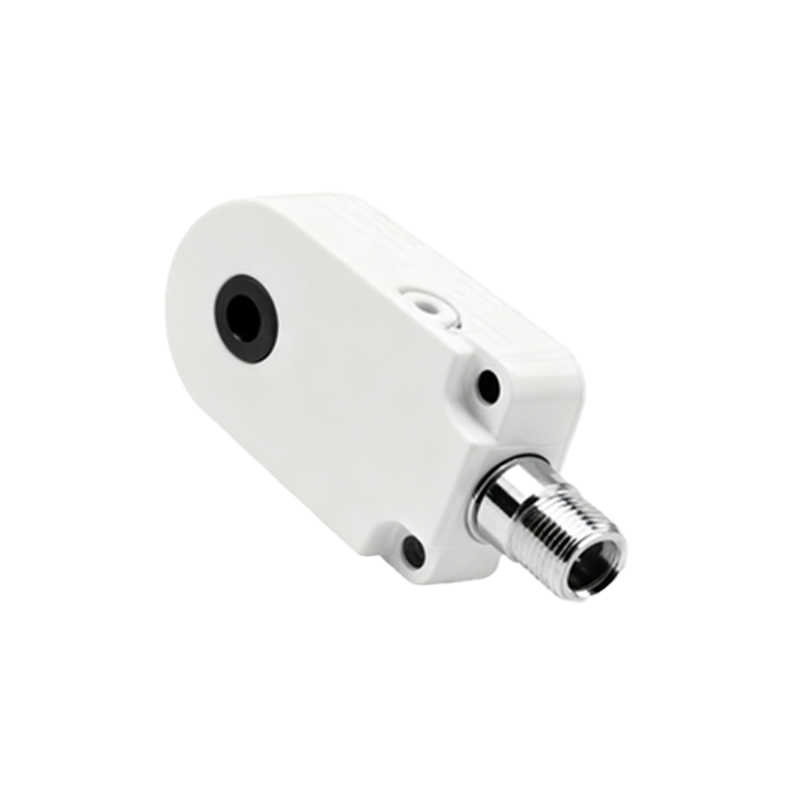
Beyond the base polymer, the formulation includes carefully selected fillers and additives. Fillers like silica are used to modify thermal conductivity, adjust viscosity for processing, control CTE, and reduce material cost. Additives may include adhesion promoters to ensure strong bonding to the sensor housing and internal components, flame retardants for safety-critical applications, and pigments for color-coding or UV protection.

The encapsulation process itself is a critical phase where precision is paramount. It typically involves degassing the mixed potting compound to remove entrapped air bubbles, which could become failure points. The prepared sensor assembly, often pre-heated to improve resin flow and adhesion, is then placed in a mold or its final housing. The compound is dispensed carefully, often under vacuum or low pressure, to ensure complete, void-free coverage of all critical components without trapping air. Curing follows, a controlled thermal process where the resin cross-links to achieve its final properties. Inadequate curing—whether in time or temperature—can result in soft spots, reduced chemical resistance, or long-term degradation.
Key engineering considerations extend beyond basic material properties. Thermal management is vital; some compounds are formulated with high thermal conductivity to help dissipate heat from internal components, preventing thermal runaway. The potted sensor's performance must also be validated, ensuring the potting material does not interfere with the sensor's electromagnetic field (in inductive or capacitive types) or its sensing range. Adhesion strength to different materials (metals, plastics, PCBs) must be tested to prevent moisture ingress through capillary action at interfaces.
In conclusion, the encapsulation of proximity switch sensors is a sophisticated discipline that merges materials science with precision manufacturing. It transforms a fragile electronic assembly into a ruggedized, industrial-grade device. The choice between a rigid epoxy armor and a flexible polyurethane shield depends on a detailed analysis of the operational environment—thermal cycles, chemical exposure, mechanical loads, and required sensor sensitivity. A well-engineered encapsulation strategy, executed with process control, is not merely a final manufacturing step; it is a decisive investment in reliability, ensuring that these essential sensors deliver uninterrupted service in the heart of modern industry.