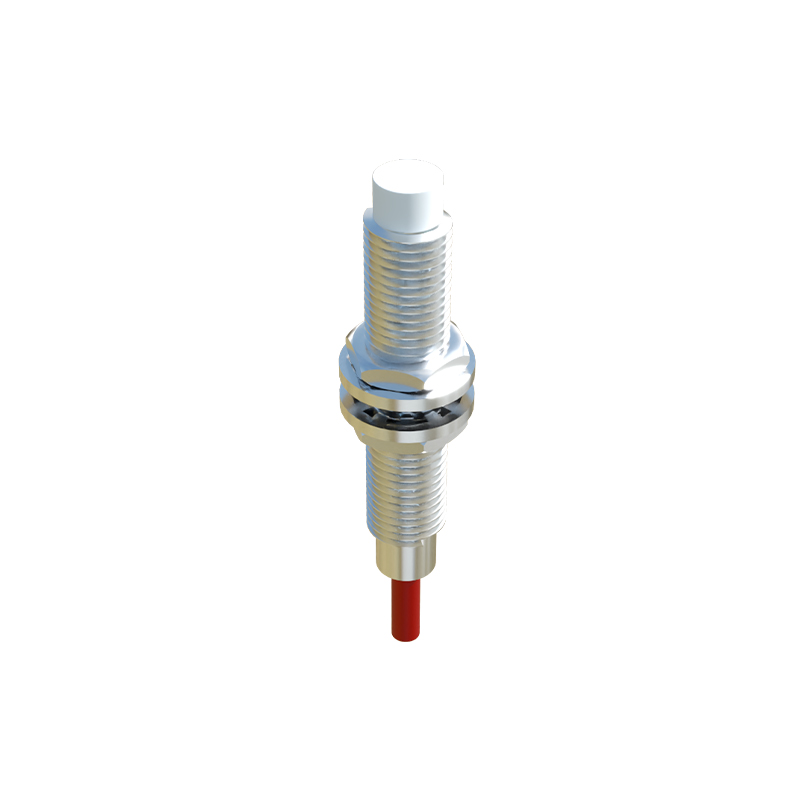
Proximity sensors are indispensable components in modern industrial automation, offering non-contact detection of objects within a specific range. These devices are widely used across various industries due to their reliability, durability, and ability to operate in harsh environments. Unlike mechanical switches, proximity sensors do not require physical contact, which minimizes wear and tear and reduces maintenance needs. They are essential for tasks such as object detection, position verification, counting, and speed monitoring.
There are several types of proximity sensors, each suited for different applications. Inductive proximity sensors are ideal for detecting metallic objects. They generate an electromagnetic field and detect changes caused by metallic targets. These sensors are commonly used in manufacturing lines for detecting metal parts, monitoring conveyor belts, and ensuring proper positioning in machinery. Capacitive proximity sensors, on the other hand, can detect both metallic and non-metallic materials, including liquids, plastics, and wood. They work by measuring changes in capacitance and are often used in level detection, material handling, and packaging industries. Ultrasonic proximity sensors use sound waves to detect objects and are effective for distance measurement and detecting transparent or shiny surfaces that might challenge other sensor types. Photoelectric sensors utilize light beams to detect objects and are versatile for long-range detection and color differentiation.
The selection of a proximity sensor depends on factors such as the target material, sensing distance, environmental conditions, and required output. For instance, in automotive assembly lines, inductive sensors are preferred for detecting metal components, while capacitive sensors might be used for fluid level monitoring in tanks. It is crucial to consider the sensor's housing material, temperature range, and protection ratings (e.g., IP67 for dust and water resistance) to ensure longevity in industrial settings. Proper installation is also key; sensors should be mounted securely to avoid vibration-induced errors, and alignment must be precise to prevent false triggers. Additionally, electrical interference from nearby equipment can affect performance, so shielding and proper wiring practices are necessary.
In practice, proximity sensors enhance efficiency and safety. They enable automated systems to operate smoothly by providing real-time feedback for control systems. For example, in robotic arms, sensors ensure accurate picking and placing of items, while in packaging machinery, they verify the presence of products before sealing. Regular calibration and testing are recommended to maintain accuracy, especially in high-precision applications. As Industry 4.0 advances, smart proximity sensors with IoT connectivity are emerging, allowing for predictive maintenance and data analytics. These innovations further optimize processes by monitoring sensor health and predicting failures before they occur.
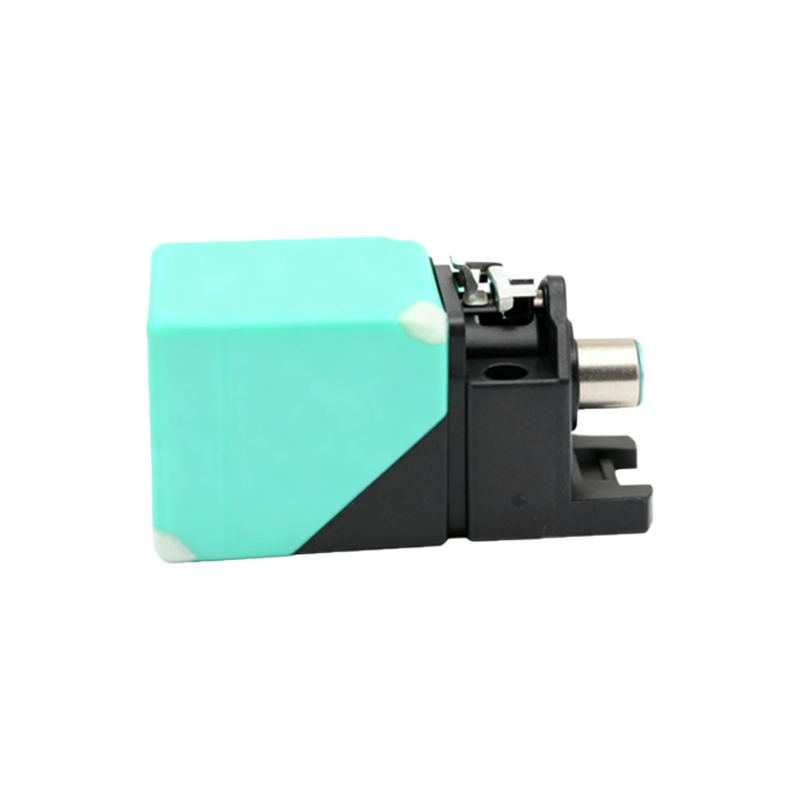
Overall, understanding the capabilities and limitations of proximity sensors is vital for engineers. By choosing the right sensor and following best practices for installation and maintenance, industries can achieve higher productivity, reduced downtime, and improved safety standards. Whether in simple counting tasks or complex automated systems, these sensors play a critical role in driving modern industrial operations forward.