High frequency proximity sensors are essential components in modern industrial automation, offering non-contact detection capabilities for various applications. This visual guide provides a comprehensive collection of high-quality images showcasing different types, designs, and real-world implementations of these sensors.
The first category includes inductive high frequency proximity sensors, commonly used for detecting metallic objects. Images in this section display cylindrical, rectangular, and ring-shaped housings, often constructed from stainless steel or nickel-plated brass. Close-up shots reveal the sensing faces, with detailed views of the oscillator coils and embedded electronics. These sensors typically operate at frequencies ranging from 100 kHz to 1 MHz, enabling rapid detection of ferrous and non-ferrous metals. Industrial installation photos demonstrate their mounting in robotic arms, conveyor systems, and machine tools, where they perform tasks like position verification, counting, and end-position detection.
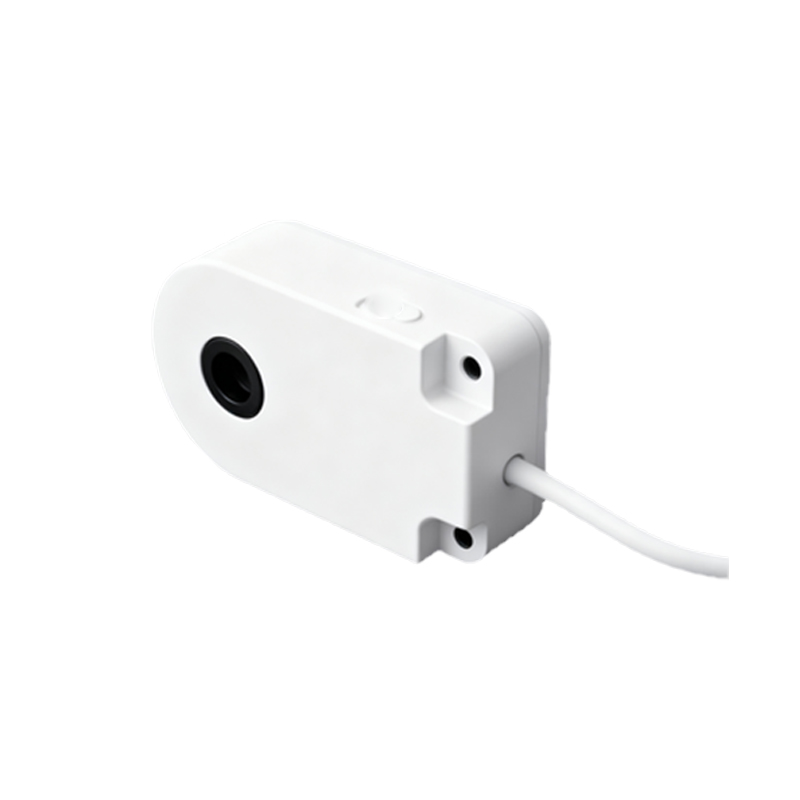
Capacitive high frequency proximity sensors form another significant group, capable of detecting both metallic and non-metallic materials. The image gallery presents sensors with plastic or ceramic sensing surfaces, designed for level detection of liquids, powders, and granular substances. Technical diagrams illustrate the principle of operation, where high frequency electric fields interact with target materials. Application images show these sensors monitoring fill levels in silos, detecting plastic components on assembly lines, and ensuring proper packaging material presence. Frequency responses often exceed 500 kHz, allowing sensitivity adjustment through potentiometers visible in cutaway photographs.
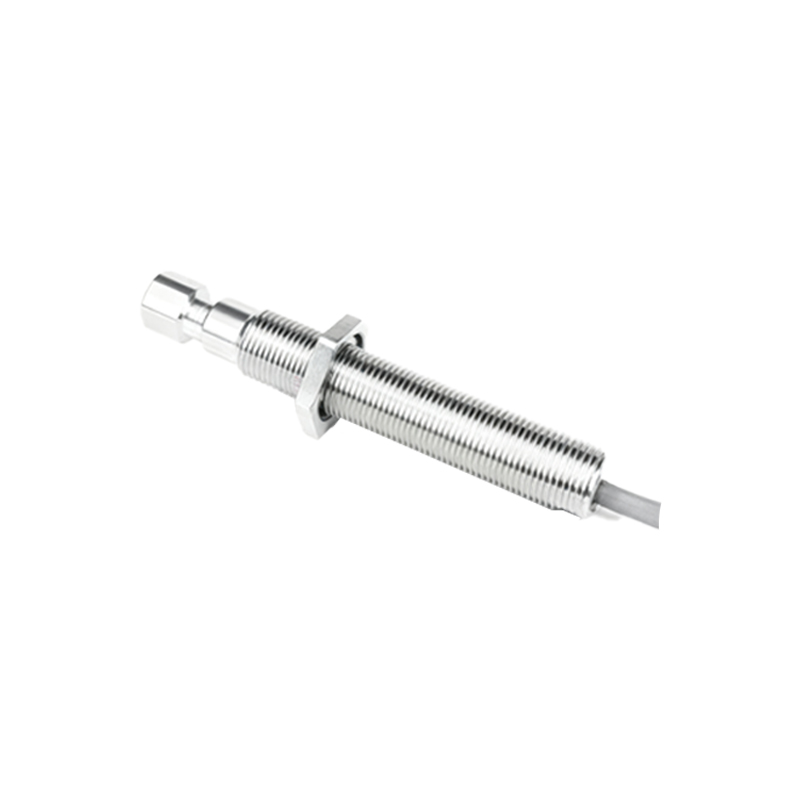
Specialized high frequency sensors for particular applications constitute the third visual category. This includes analog output sensors with linear characteristics, shown in graphs depicting distance-voltage relationships. Safety-rated sensors with redundant circuits appear in hazardous environment installations, featuring bright LED status indicators. High-temperature variants, with thermal shielding visible in cross-sectional images, operate reliably in foundries and heat treatment facilities. Miniature sensors, captured in macro photography, demonstrate their integration in compact electronic assemblies and medical devices.
The collection further presents comparative images highlighting key specifications. Side-by-side comparisons show different sensing ranges, with visual demonstrations of how a 2mm sensor differs from a 15mm variant when detecting identical objects. Frequency response graphs illustrate how higher operating frequencies enable faster response times, crucial for high-speed production lines. Wiring diagrams display various connection methods, including pre-wired cables, quick-disconnect connectors, and PCB-mounted versions.
Installation and configuration images provide practical engineering insights. Photos demonstrate proper mounting techniques, emphasizing the importance of flush versus non-flush installation for different sensor types. Shielding considerations appear in images showing sensors installed near metal surfaces, with recommended clearance distances visually indicated. Configuration examples include potentiometer adjustments for sensitivity, teach-in procedures for analog sensors, and output mode selections via DIP switches.
Real-world application galleries showcase high frequency proximity sensors in diverse industries. Automotive manufacturing images depict sensors verifying weld nut presence on chassis components. Electronics industry photos show sensors detecting miniature components on pick-and-place machines. Food and beverage sector images present washdown-rated sensors with smooth surfaces and IP69K ratings, monitoring packaging operations. Aerospace applications include sensors with extended temperature ranges inspecting turbine blade positions.
Maintenance and diagnostic images complete the collection. Thermal imaging photos reveal abnormal heating patterns indicating potential failures. Oscilloscope captures display signal waveforms under various operating conditions. Troubleshooting guides in visual format demonstrate how to identify common issues like sensing range reduction, output signal instability, and electromagnetic interference problems.
This comprehensive image collection serves as both an educational resource and practical reference for engineers designing, selecting, or maintaining high frequency proximity sensor systems. The visual documentation emphasizes technical details while maintaining clarity for professionals across experience levels.