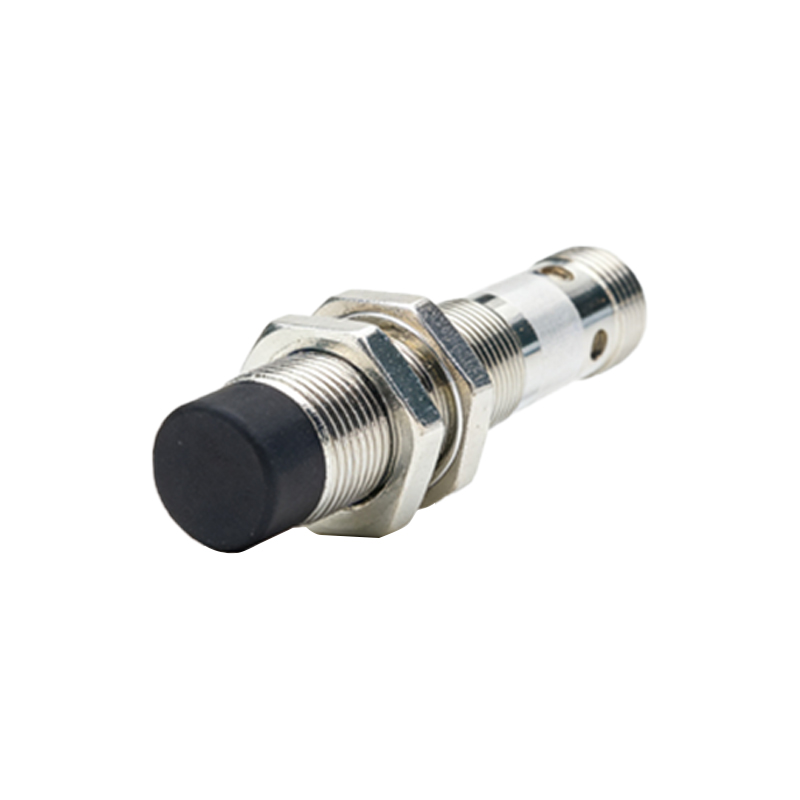
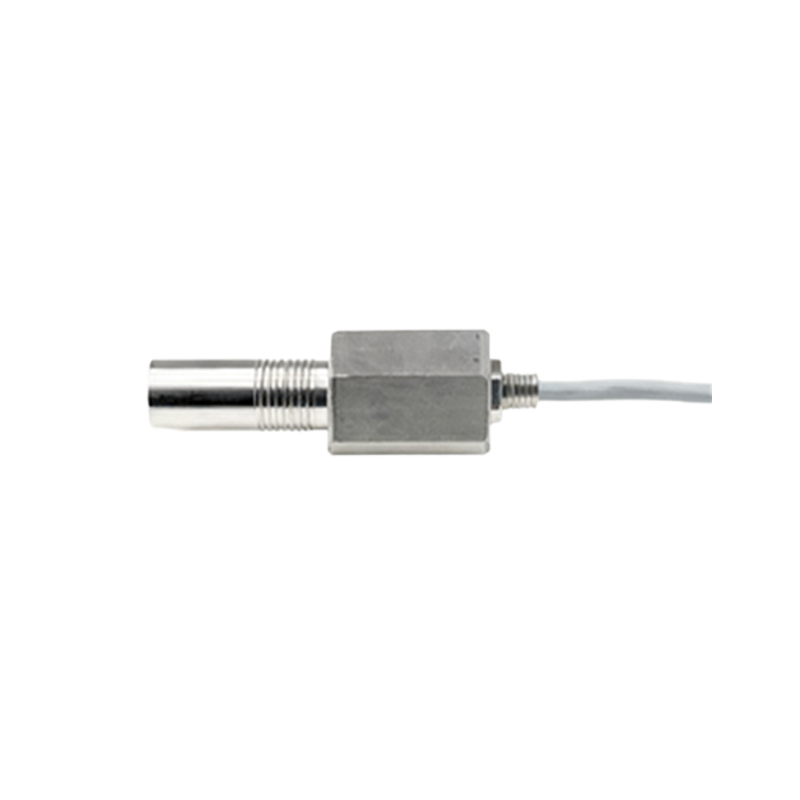
In the realm of industrial automation, proximity sensors stand as critical components for non-contact detection, ensuring seamless operations across manufacturing, packaging, and robotic systems. Zhonghu Electronics has established itself as a leading innovator in this field, delivering sensors that combine high precision, durability, and adaptability. This article delves into the technology behind Zhonghu's proximity sensors, their applications, and the advantages they offer to modern industries.
Proximity sensors by Zhonghu Electronics primarily utilize inductive, capacitive, and magnetic principles to detect objects without physical contact. Inductive sensors are ideal for metallic targets, emitting an electromagnetic field to sense presence, while capacitive variants can detect both metallic and non-metallic materials by measuring changes in capacitance. Magnetic sensors, often used in harsh environments, rely on magnetic fields for detection. Zhonghu's engineering team focuses on refining these technologies to enhance sensing ranges, response times, and immunity to environmental interference such as dust, moisture, and temperature fluctuations.
One key feature of Zhonghu's proximity sensors is their robust construction. Designed to meet international standards like IEC and ISO, these sensors are built with stainless steel or nickel-plated brass housings, providing resistance to corrosion, vibration, and mechanical stress. This durability ensures longevity in demanding settings, from automotive assembly lines to food processing plants. Additionally, Zhonghu incorporates advanced circuitry that minimizes false triggers and enables consistent performance even in high-noise electrical environments.
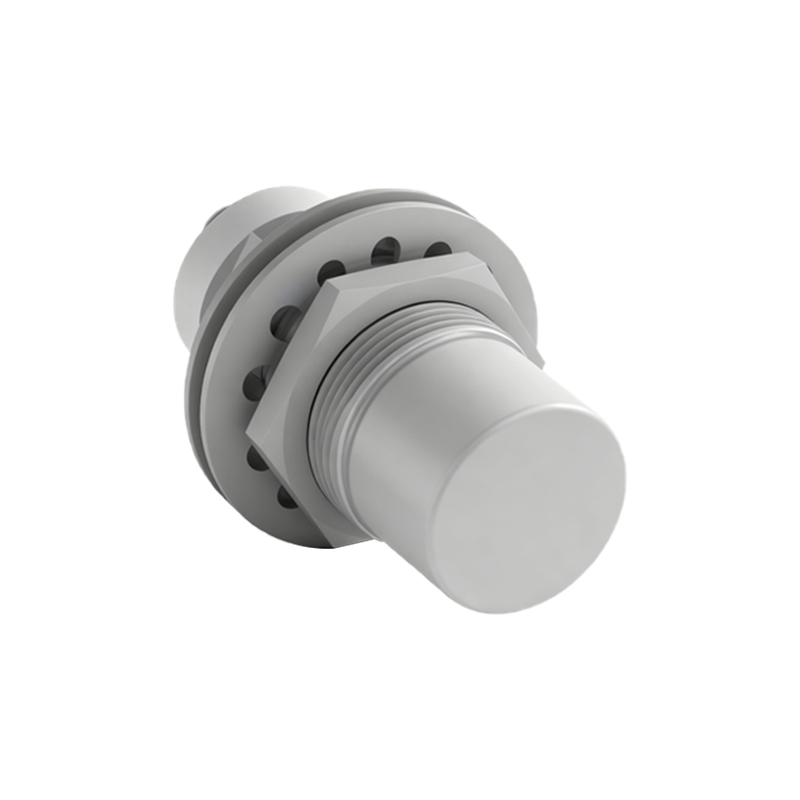
Applications of Zhonghu proximity sensors span diverse sectors. In automotive manufacturing, they facilitate precise positioning of parts and safety monitoring in robotic arms. In logistics, sensors enable automated sorting and inventory management by detecting packages on conveyor belts. The food and beverage industry benefits from their hygienic designs, which allow easy cleaning and compliance with sanitary regulations. Moreover, Zhonghu offers customizable solutions, allowing clients to tailor sensor specifications—such as sensing distance, output type (e.g., NPN or PNP), and connection methods—to fit unique operational needs.
The integration of smart features further sets Zhonghu apart. Many models include diagnostic capabilities, such as LED indicators for status monitoring and IO-Link communication for real-time data exchange with control systems. This connectivity supports Industry 4.0 initiatives, enabling predictive maintenance and optimizing production efficiency. By reducing downtime and improving accuracy, Zhonghu's sensors contribute to cost savings and enhanced productivity.
In conclusion, Zhonghu Electronics' proximity sensors represent a blend of cutting-edge technology and practical design, addressing the evolving demands of industrial automation. Their commitment to quality and innovation ensures reliable performance, making them a trusted choice for engineers and operators worldwide. As industries continue to automate, Zhonghu's sensors will play a pivotal role in driving efficiency and safety.