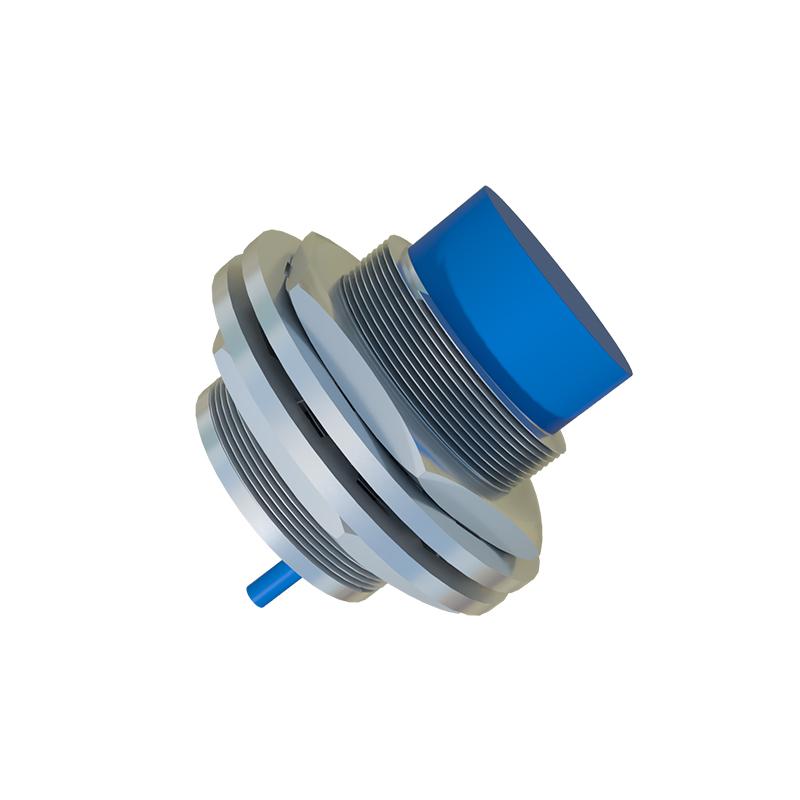
In the rapidly evolving landscape of industrial automation, proximity sensors stand as critical components for countless applications, from assembly line monitoring to safety interlocks. The reliability and precision of these devices are non-negotiable, making the assurance of product authenticity a paramount concern for engineers, procurement specialists, and system integrators. The market, unfortunately, is not immune to the infiltration of counterfeit or substandard components, which pose significant risks to operational safety, system integrity, and long-term project costs. This article outlines a comprehensive framework for guaranteeing the authenticity of proximity sensors, ensuring your systems are built on a foundation of genuine, high-performance components.
The first line of defense begins at the point of procurement. Always source proximity sensors from authorized distributors or directly from the original equipment manufacturer (OEM). Reputable manufacturers maintain strict authorized distribution networks. Before purchasing, verify the distributor's status on the OEM's official website. Be wary of prices that appear significantly lower than the market average; this is often the most glaring red flag for counterfeit products. Genuine sensors come with traceable documentation, including detailed data sheets, certificates of conformity, and unique serial numbers. Insist on receiving these documents and cross-reference the part numbers and specifications with those listed on the manufacturer's official portal.
Physical inspection upon receipt is equally crucial. Authentic proximity sensors exhibit high-quality manufacturing standards. Examine the housing material, molding quality, and logo engraving. Counterfeit products often have inconsistencies in font, logo alignment, or color shades. The weight and finish can also be telltale signs; genuine sensors typically use robust materials and have a consistent, high-grade finish. Check the connector types, pin configurations, and cable quality against the official specifications. Any deviation, however minor, should raise immediate suspicion.
Technological verification provides a more advanced layer of security. Many leading manufacturers now incorporate anti-counterfeiting technologies into their products. These can include holographic labels, QR codes, or RFID tags that link to a secure online verification database. Upon scanning, these features should provide a definitive confirmation of the product's authenticity, manufacturing date, and batch number. Some OEMs offer proprietary software tools that can interface with the sensor to read its embedded electronic fingerprint or firmware version, which cannot be replicated by counterfeit operations.
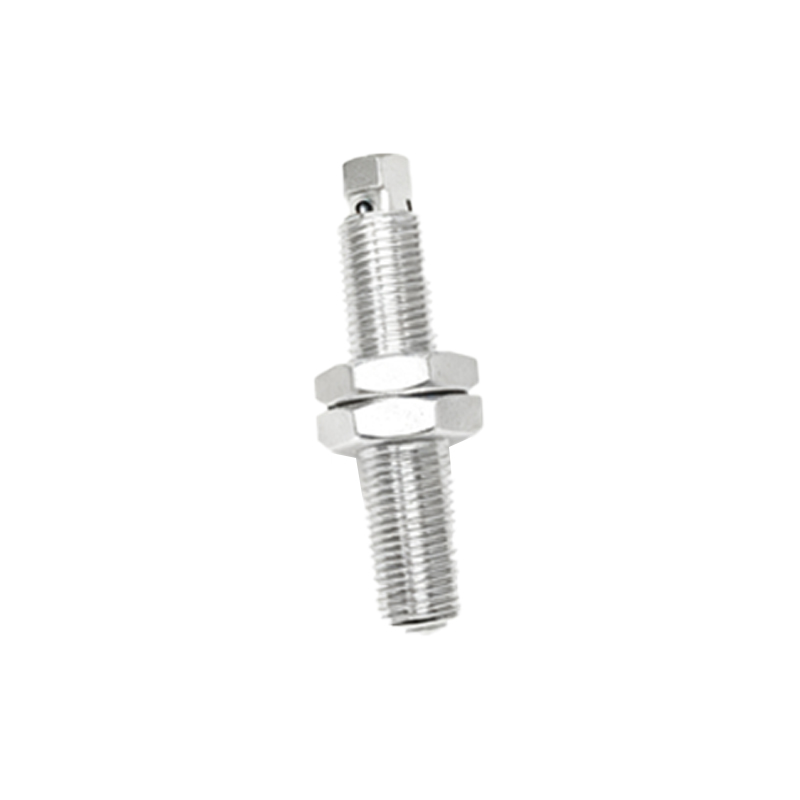
Performance testing under controlled conditions remains the ultimate validation. While not always feasible for every unit in a large batch, sample testing is highly recommended. Bench-test the sensor's key parameters: sensing distance, repeat accuracy, response time, and environmental resilience (such as temperature cycling or ingress protection tests). Compare the results against the tolerances specified in the official data sheet. A genuine sensor will perform consistently within its published specifications. Substandard copies often show drift, reduced range, or failure under stress.
The consequences of installing a non-genuine proximity sensor extend far beyond immediate malfunction. They can lead to unplanned downtime, costly production halts, and compromised safety systems, potentially resulting in equipment damage or personnel hazard. Furthermore, counterfeit components void OEM warranties and can lead to significant liability issues. Investing in authenticated products is an investment in system reliability, maintenance cost reduction, and operational peace of mind.
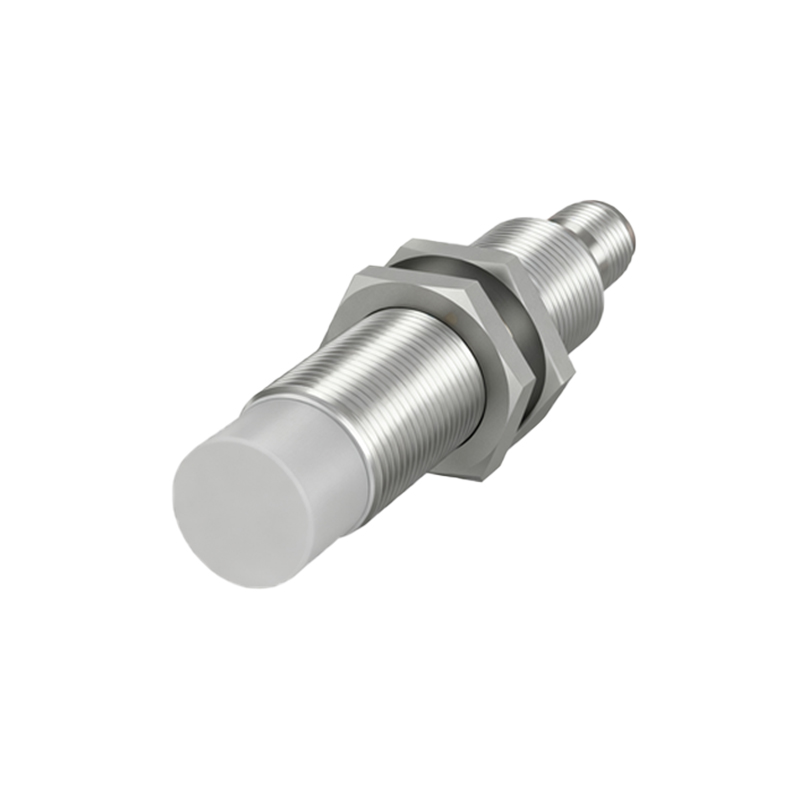
Establish a standardized procurement and verification protocol within your organization. Educate your team on the importance of authenticity and the methods to identify genuine parts. Maintain a strong relationship with trusted suppliers and OEM representatives. In an industry where precision is key, ensuring every component, especially a fundamental one like a proximity sensor, is genuine is not just a best practice—it is an engineering imperative for safety, efficiency, and success.