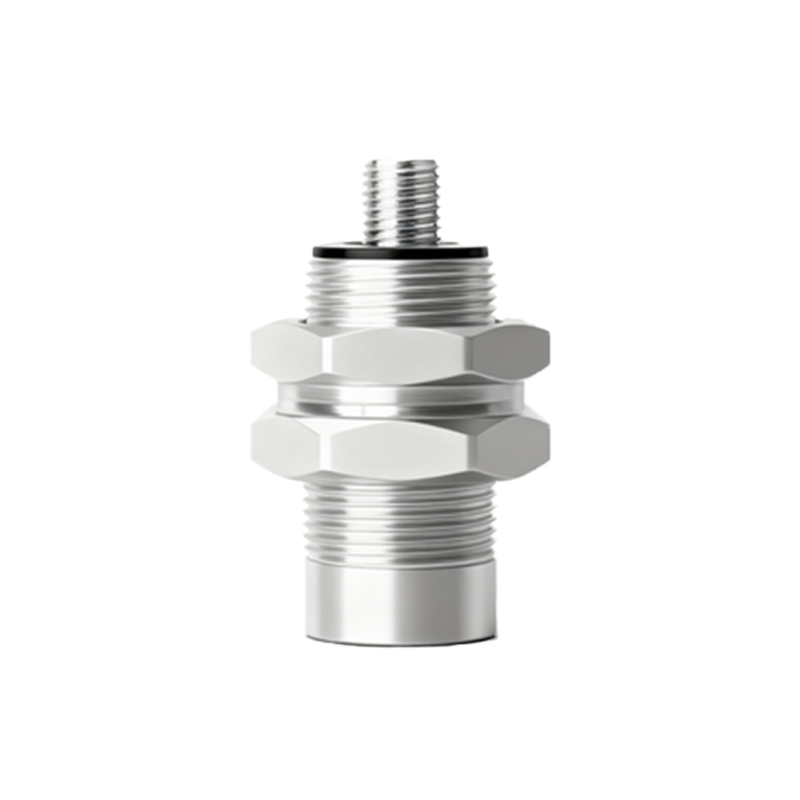
In the realm of industrial automation, the selection of a proximity sensor is a critical decision that hinges on numerous technical parameters, with physical size being a factor of paramount importance. The dimensions of a sensor are not merely a matter of spatial convenience; they directly influence performance, application suitability, installation flexibility, and system integration. This article delves into the key considerations surrounding proximity sensor size, providing insights for engineers and system integrators to make informed choices.
The core function of a proximity sensor—to detect the presence or absence of an object without physical contact—is achieved through various technologies, primarily inductive, capacitive, and photoelectric. Each technology has inherent size implications. Inductive sensors, for detecting metallic objects, often feature a compact cylindrical form factor. Their sensing range is intrinsically linked to the diameter of the active face; a standard rule of thumb is that the nominal sensing distance (Sn) is approximately proportional to the sensor's face diameter. For instance, an M8 threaded barrel sensor (8mm diameter) typically offers a sensing range of 1-2mm, while an M30 sensor (30mm diameter) can achieve ranges of 10-15mm or more. Therefore, the required detection distance is a primary driver for selecting a larger or smaller sensor body.
Miniaturization has been a significant trend, driven by the demand for higher density in machinery and equipment. Ultrasmall sensors, such as those in M5, M3, or even rectangular "chip" styles, are essential for applications with severe space constraints, like in small robotic grippers, precision assembly stations, or compact electronic manufacturing equipment. However, this reduction in size comes with trade-offs. Smaller sensors generally have shorter sensing ranges, reduced switching frequency capabilities, and may be more susceptible to environmental factors like temperature fluctuations or electromagnetic interference due to their compact electronics. Their housing material and ingress protection (IP) rating must be carefully evaluated, as a smaller package can sometimes challenge achieving high IP ratings for harsh environments.
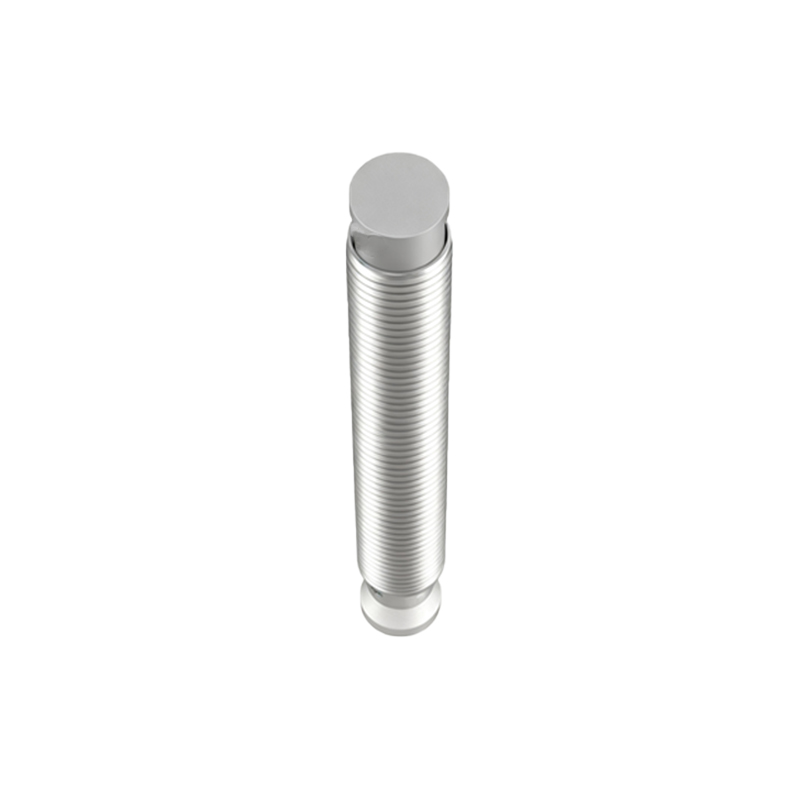
Conversely, larger proximity sensors are not just about extended range. Their increased physical volume often accommodates more robust housings, made from stainless steel or heavy-duty PBT plastics, offering superior resistance to mechanical impact, chemicals, and washdown procedures common in food & beverage or pharmaceutical industries. Larger sensors can also house more sophisticated electronics, enabling advanced features like programmable output logic, teach-in functionality for adjustable sensing windows, and enhanced noise immunity. The wiring compartment in a larger sensor is more spacious, simplifying electrical connection and strain relief, which improves long-term reliability.
Installation geometry is another crucial aspect dictated by size. Standard cylindrical sensors are available in flush-mounted (shielded) and non-flush (unshielded) versions. Flush-mounted sensors can be installed embedded in metal without affecting their operation, allowing for a very compact and protected installation. Their sensing range is typically shorter for a given diameter. Non-flush sensors offer longer ranges but require a zone free of surrounding metal. The choice here directly impacts the required mounting space and the sensor's vulnerability to damage.
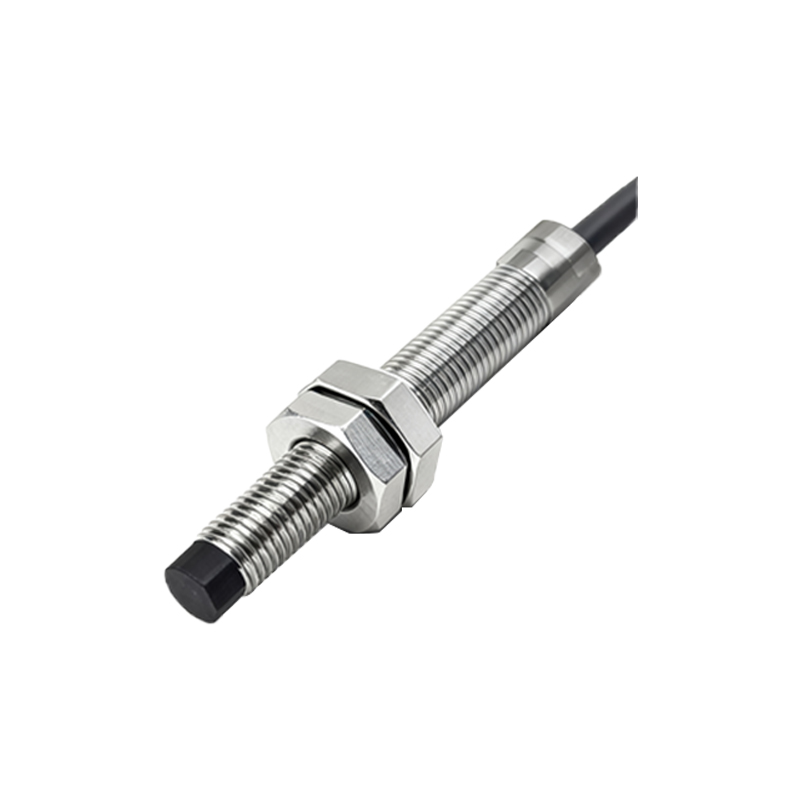
Beyond the sensor body itself, the size and type of the electrical connector or cable outlet must be factored into the overall spatial planning. Integrated M12 or M8 quick-disconnect connectors are standard, but their footprint adds to the total envelope. Sensors with pre-wired cables might require more space for cable bending radii.
In conclusion, selecting the optimal proximity sensor size is a multidimensional optimization problem. Engineers must balance the fundamental requirement of sensing distance against the available physical space, environmental conditions, required durability, necessary functional features, and ease of installation. There is no universal "best" size. A meticulously sized sensor ensures reliable operation, maximizes machine design efficiency, and contributes to the overall robustness and longevity of the automated system. Always consult detailed manufacturer datasheets and consider application-specific mock-ups or testing when spatial constraints are critical.