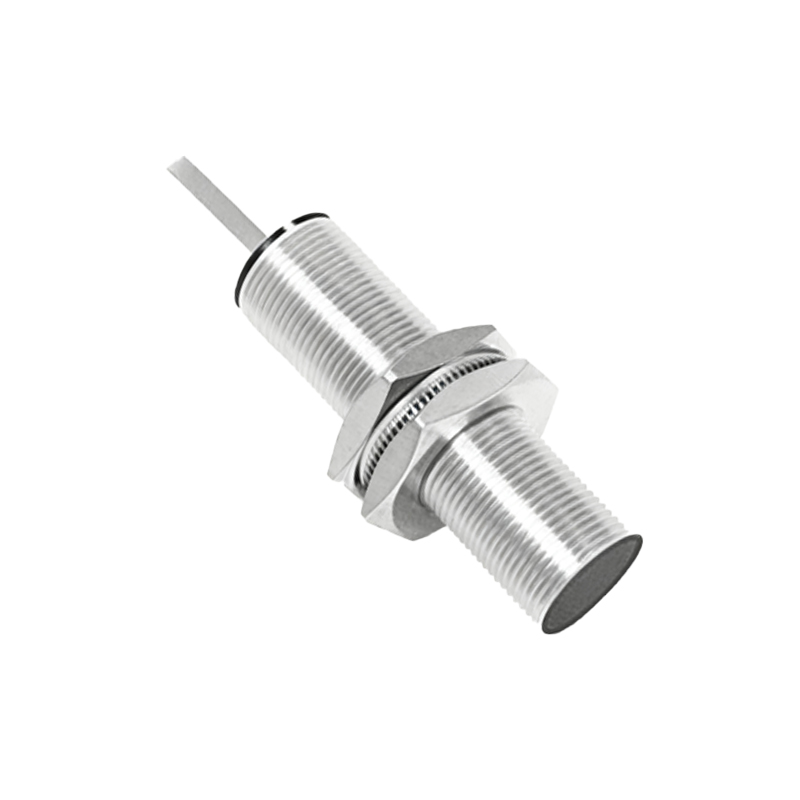
In the intricate world of industrial automation, where precision and reliability are non-negotiable, copper proximity sensors stand as fundamental components. These devices, often overlooked in favor of more complex systems, are critical for countless applications, from assembly line monitoring to safety interlocks. Their primary function is to detect the presence or absence of a metallic target without physical contact, using an electromagnetic field. The choice of copper, specifically for the sensor's coil winding and often for the housing or shielding, is not arbitrary but a calculated engineering decision rooted in material science.
Copper's exceptional electrical conductivity is its most celebrated attribute. This property allows for the generation of a strong, stable, and responsive electromagnetic field with minimal energy loss. In practical terms, this translates to a sensor with superior sensitivity and a longer operating range compared to sensors using less conductive materials. It can detect smaller objects or the same object from a greater distance, a crucial factor in high-speed production environments where every millisecond counts. Furthermore, high conductivity ensures a faster response time. The sensor can almost instantaneously recognize a target's entry or exit from its detection field, enabling real-time control and feedback for robotic arms, conveyor systems, and sorting mechanisms.
Beyond conductivity, copper offers remarkable thermal conductivity. Proximity sensors, especially those operating at high frequencies or in enclosed spaces, can generate heat. Copper's ability to efficiently dissipate this heat prevents internal temperature buildup, which could otherwise lead to signal drift, reduced sensitivity, or even premature component failure. This inherent thermal management contributes significantly to the sensor's long-term stability and operational lifespan, reducing downtime and maintenance costs. Durability is another key advantage. Copper possesses excellent corrosion resistance, particularly when alloyed or coated. In harsh industrial environments exposed to moisture, coolants, oils, or chemical vapors, a copper-based sensor body or shield maintains its integrity far better than many alternatives. This corrosion resistance ensures consistent performance and protects the sensitive internal electronics from environmental degradation.
The operational principle of an inductive copper proximity sensor is elegantly straightforward. The sensor's oscillator circuit, powered by a DC supply, generates a high-frequency alternating magnetic field via its copper-wound coil. When a ferrous or non-ferrous metallic target enters this field, eddy currents are induced on the target's surface. These eddy currents draw energy from the sensor's oscillator, causing a measurable change in its amplitude. This change is detected by the sensor's threshold circuit, which subsequently triggers a solid-state switch to change the output state (e.g., from OFF to ON). The entire process is contactless, wear-free, and incredibly reliable.
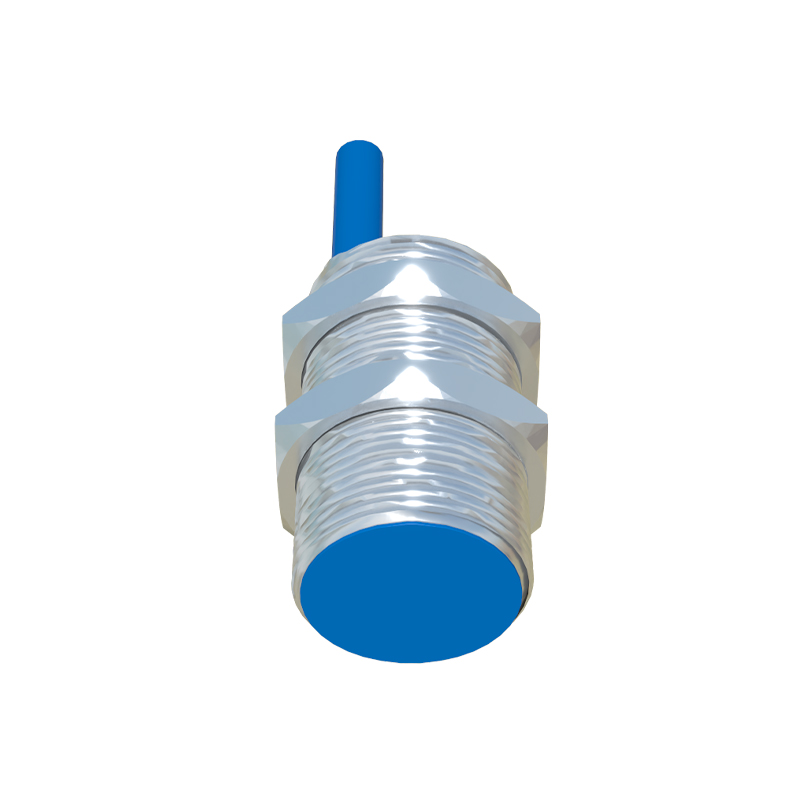
Selecting the right copper proximity sensor requires careful consideration of several parameters. The sensing distance, or nominal range, is specified by the manufacturer and is typically calibrated for a standard mild steel target. For other metals like aluminum or stainless steel, a correction factor must be applied, as they induce weaker eddy currents. The sensor's housing style—tubular, rectangular, or ring-shaped—must suit the mechanical installation constraints. Output configuration is also vital: PNP (sourcing) or NPN (sinking) transistor outputs must match the control system's input card requirements. Additionally, factors like switching frequency (for high-speed applications), temperature rating, and ingress protection (IP) rating for dust and water resistance are critical for ensuring compatibility with the application environment.
The applications are virtually limitless. In automotive manufacturing, they count gears, verify piston presence, and position welding robots. In packaging machinery, they detect foil lids, control filler levels, and ensure proper case sealing. On metalworking centers, they serve as tool presence detectors and part position verifiers. Their role in safety—as part of light curtains or door interlock systems—is paramount, where their fail-safe operation can prevent accidents. The evolution continues with the integration of IO-Link communication, turning simple binary sensors into intelligent devices that can report diagnostic data, process parameters, and even warn of potential failures before they occur.
In conclusion, the copper proximity sensor is a masterpiece of practical engineering. Its design leverages the innate physical properties of copper—superior electrical and thermal conductivity coupled with robust durability—to create a device that is both simple in concept and indispensable in function. As industries march towards greater efficiency and smarter manufacturing, the reliable, precise, and rugged copper proximity sensor will undoubtedly remain a cornerstone of automated systems, silently enabling the seamless flow of modern production.