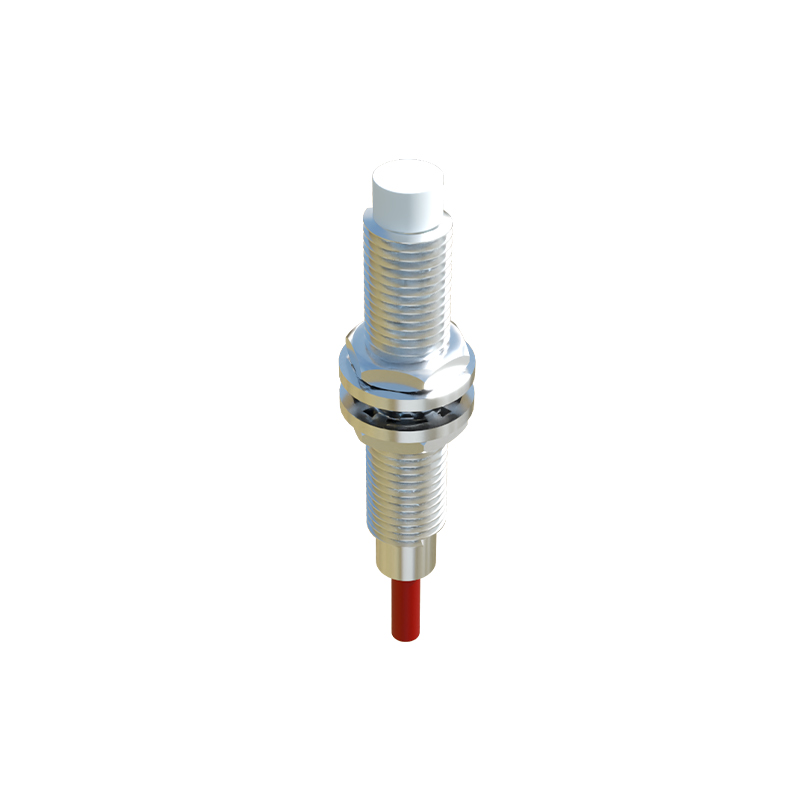
Proximity sensors are critical components in modern industrial automation, enabling non-contact detection of objects and ensuring efficient, safe operations. Performance testing of these sensors is essential to validate their reliability, accuracy, and durability under various environmental conditions. This article outlines key methodologies and standards for evaluating proximity sensor performance, focusing on parameters such as sensing distance, response time, temperature tolerance, and environmental resilience.
The primary test for proximity sensors involves measuring the effective sensing distance, which determines how close an object must be for detection. According to IEC 60947-5-2 standards, this distance is tested using standardized targets under controlled conditions. Factors like target material, size, and orientation can influence results, so tests often include variations to simulate real-world scenarios. For instance, inductive sensors are tested with ferrous and non-ferrous metals, while capacitive sensors may be evaluated with different dielectric materials.
Response time is another crucial metric, defined as the delay between target detection and output signal change. High-speed applications, such as assembly lines or robotic systems, require sensors with rapid response times to prevent bottlenecks or errors. Testing typically involves oscilloscope measurements to capture signal transitions, with results analyzed against manufacturer specifications. Environmental tests assess performance under extreme temperatures, humidity, vibration, and electromagnetic interference (EMI). Proximity sensors in harsh environments, like automotive or heavy machinery, must withstand temperatures ranging from -40°C to 85°C or higher, as per ISO 16750 standards. Vibration resistance is evaluated using shaker tables to simulate operational stresses, while EMI tests ensure sensors do not malfunction near high-power equipment.
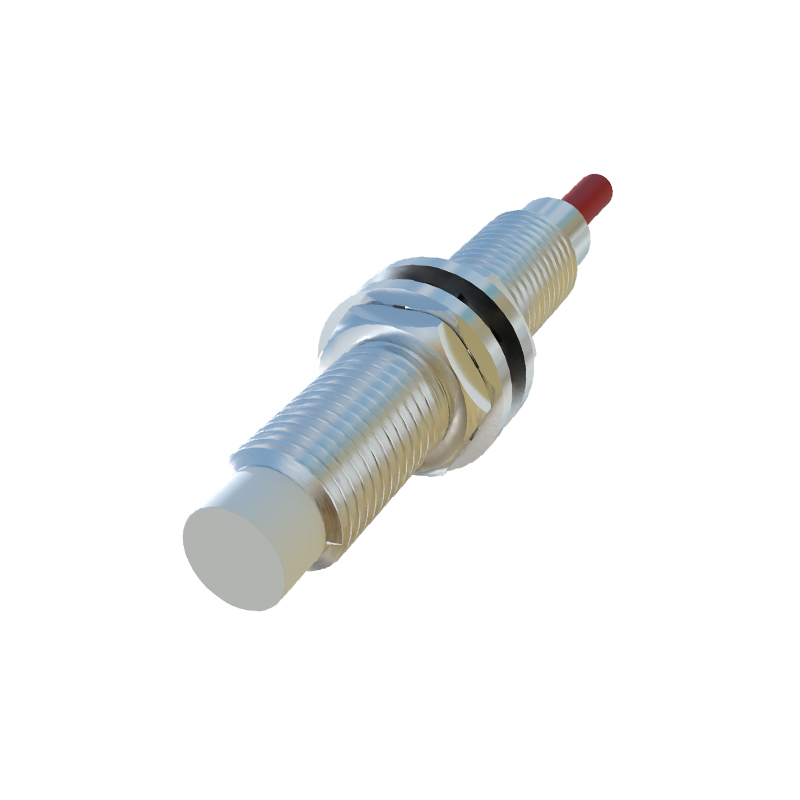
Repeatability and hysteresis are also evaluated to ensure consistent performance. Repeatability tests measure the sensor's ability to detect the same target at the same distance multiple times, with deviations indicating potential reliability issues. Hysteresis refers to the difference in sensing points when the target approaches versus recedes; minimal hysteresis is desirable for precision applications. Additionally, ingress protection (IP) ratings, such as IP67 or IP69K, are verified through dust and water exposure tests to confirm durability in contaminated or wet environments.
Long-term reliability testing involves accelerated life cycles, where sensors undergo continuous operation over extended periods to predict failure rates. Data from these tests help manufacturers improve designs and provide warranties. Field testing in actual industrial settings complements lab evaluations, offering insights into real-world challenges like oil splashes, chemical exposure, or mechanical shocks.
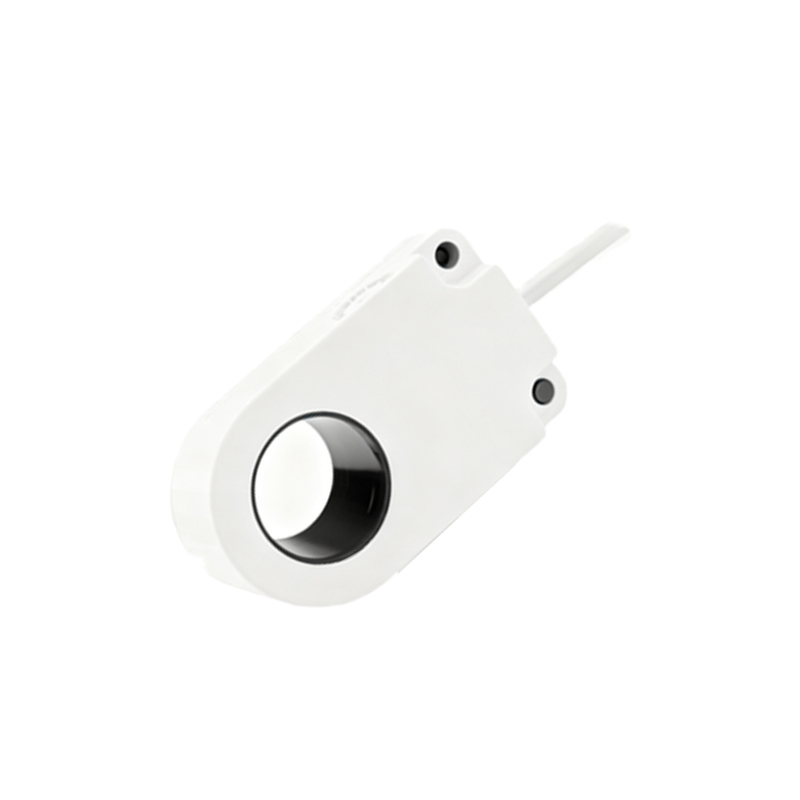
In summary, comprehensive performance testing of proximity sensors integrates standardized lab procedures with practical field assessments. By adhering to international standards and considering application-specific demands, engineers can select and deploy sensors that enhance system efficiency, safety, and longevity. Regular testing and maintenance further ensure optimal performance, reducing downtime and costs in industrial operations.