In the realm of industrial automation and control systems, proximity sensors play a pivotal role in detecting the presence or absence of objects without physical contact. Among the fundamental concepts that engineers and technicians must grasp are "Normally Open" (NO) and "Normally Closed" (NC) configurations. These terms define the default electrical state of the sensor's output contacts when no target is within its sensing range, directly impacting circuit design, safety protocols, and system logic.
A Normally Open (NO) proximity sensor, in its resting state (i.e., when no detectable target is present), maintains an open circuit at its output terminals. This means that electrical current cannot flow through the output switch. When a target enters the sensor's detection field, the internal switching mechanism activates, closing the circuit and allowing current to pass. NO configurations are commonly employed in applications where an action is initiated upon detection, such as starting a conveyor belt when an object arrives or activating a counter when a part passes by. The logic is straightforward: no target equals no signal; detection triggers an output signal.
Conversely, a Normally Closed (NC) proximity sensor operates in the opposite manner. In its resting state, with no target detected, the output contacts are closed, permitting current flow. When a target is sensed, the circuit opens, interrupting the current. NC setups are often utilized in safety-critical or monitoring functions where a continuous signal indicates normal operation, and a break in that signal signifies an issue or requires intervention. For instance, in a machine guard application, an NC sensor might be positioned so that its beam is uninterrupted during safe operation. If an obstruction (like a person) breaks the beam, the circuit opens, triggering an emergency stop. This fail-safe design ensures that a fault (e.g., wire breakage or power loss) typically results in an open circuit, mimicking the detection state and halting the process to prevent hazards.
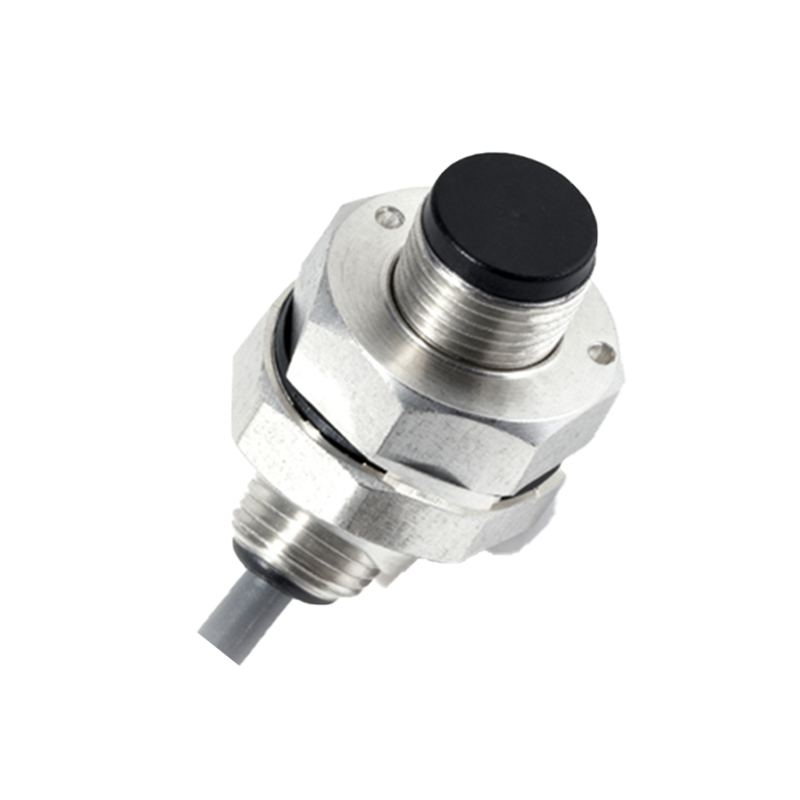
The choice between NO and NC is not merely arbitrary but is dictated by the specific requirements of the control logic and safety standards. In programmable logic controller (PLC) programming and relay-based systems, the selection influences how input cards are wired and how ladder logic is constructed. Many modern proximity sensors offer configurable outputs, allowing users to select between NO, NC, or even both (changeover contacts) via wiring or software, providing flexibility in diverse applications.
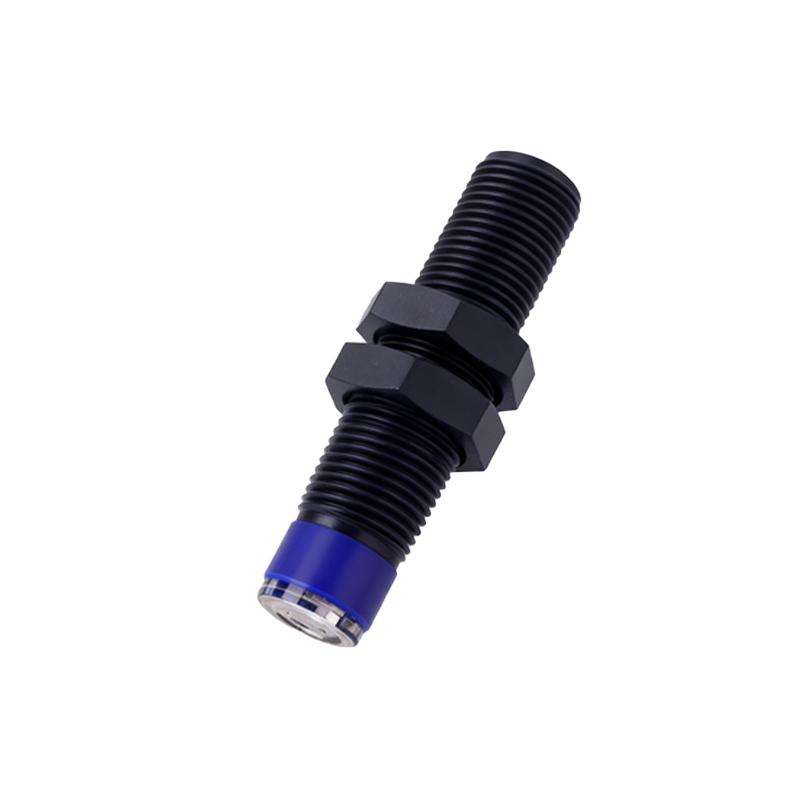
Key considerations when selecting the configuration include system fail-safe requirements, energy efficiency, and the default state of the controlled equipment. For example, in energy-saving designs, an NO sensor might be preferred to ensure that devices remain off until needed. In contrast, NC sensors are integral to safety circuits that must default to a "safe" state upon failure. Understanding the electrical characteristics, such as leakage current in solid-state outputs, is also crucial to avoid unintended activation in NO configurations or false signals in NC setups.
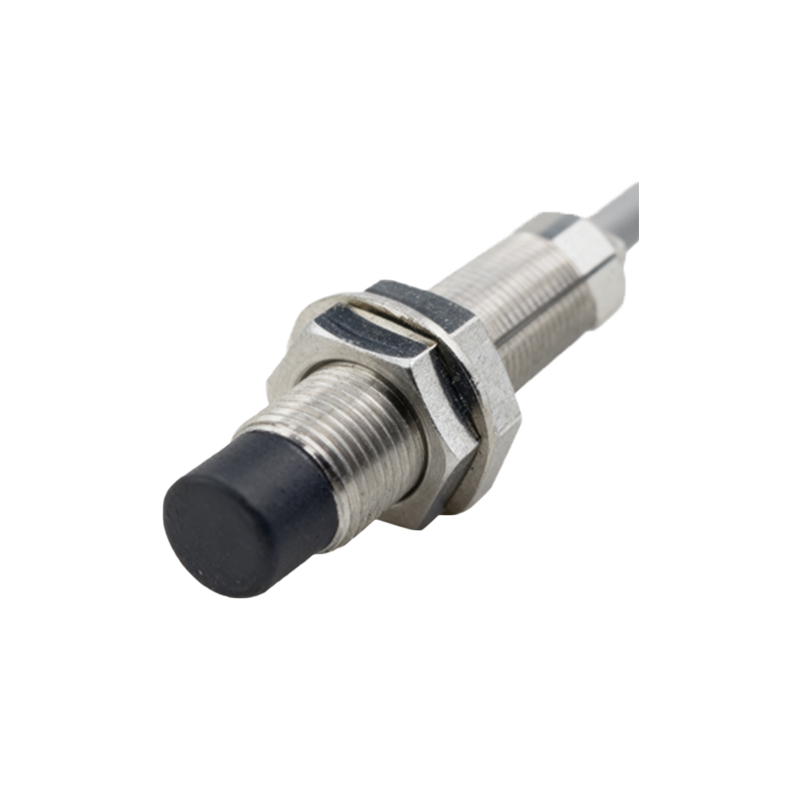
In practice, proximity sensors—whether inductive, capacitive, ultrasonic, or photoelectric—adhere to these NO/NC principles. Inductive sensors, detecting metallic objects, and capacitive sensors, sensing non-metallic materials, both utilize these output types to interface with control systems. The labeling on sensor datasheets, typically "NO" or "NC," along with wiring diagrams, guides proper installation. Misinterpretation can lead to logic errors, operational failures, or compromised safety, underscoring the importance of thorough documentation and training.
Ultimately, mastering Normally Open and Normally Closed configurations empowers engineers to design robust, efficient, and safe automated systems. By aligning the sensor's default state with the operational and safety goals of the application, one can optimize performance and reliability in everything from packaging machinery to robotic assembly lines. As technology advances, with smart sensors and IoT integration, these foundational concepts remain essential, forming the bedrock of effective industrial sensing solutions.