Laser sensors have become indispensable tools in modern electrical engineering, offering unparalleled precision in measurement and detection. These devices operate by emitting laser beams and analyzing the reflected light to determine parameters such as distance, displacement, velocity, and surface quality. In industrial settings, laser sensors are widely used for alignment, positioning, and quality control in manufacturing processes. For instance, in power generation systems, they monitor turbine blade vibrations and thermal expansions, ensuring operational safety and efficiency. The non-contact nature of laser sensing minimizes wear and tear, making it ideal for harsh environments where physical probes might fail.
Recent technological innovations have enhanced the capabilities of laser sensors. Fiber-optic laser sensors, for example, provide high immunity to electromagnetic interference, which is crucial in high-voltage applications like substations and transmission lines. Additionally, advancements in signal processing algorithms allow for real-time data analysis, enabling predictive maintenance and reducing downtime. In renewable energy sectors, laser sensors are employed in solar panel inspections to detect micro-cracks and in wind turbines to measure blade deflection under varying loads. These applications highlight the sensor's versatility and reliability.
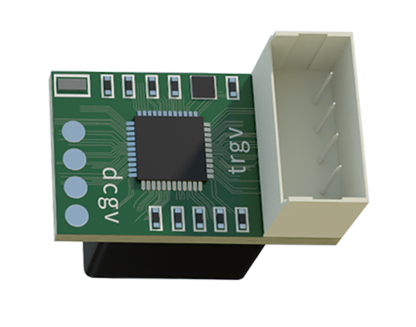
The integration of laser sensors with the Internet of Things (IoT) and artificial intelligence (AI) is driving further advancements. Smart sensors can now communicate data wirelessly to central systems, facilitating automated control and monitoring. In electrical grid management, this enables dynamic load balancing and fault detection, improving grid resilience. Moreover, miniaturization trends have led to compact laser sensors that can be embedded in portable devices for field diagnostics. Despite these benefits, challenges remain, such as high costs for precision models and sensitivity to environmental factors like dust or fog. Ongoing research focuses on cost reduction and robustness enhancements.

Looking ahead, the future of laser sensors in electrical engineering appears promising. Emerging applications include LiDAR for autonomous electrical vehicles and 3D scanning for infrastructure inspection. As industries embrace digital transformation, the demand for accurate, real-time sensing solutions will continue to grow. Engineers must stay abreast of these developments to leverage laser sensors effectively, ensuring they meet evolving standards for safety, efficiency, and sustainability. By fostering innovation and addressing current limitations, laser sensors will remain at the forefront of electrical engineering advancements.