In the demanding environment of industrial automation, particularly within systems utilizing high-pressure water jet technology, the reliability and precision of sensing components are paramount. Proximity switch sensors, often the unsung heroes of these systems, play a critical role in ensuring operational safety, efficiency, and process control. This article delves into the specific considerations for selecting, applying, and maintaining these sensors in water jet machinery.
Water jet machines, used for cutting, cleaning, and surface preparation, operate under severe conditions characterized by high humidity, water mist, particulate debris, and significant vibration. Standard inductive proximity sensors, while common in drier industrial settings, may face premature failure here. The primary enemy is not just water ingress but also the conductive nature of water, which can cause false triggering or signal degradation. Therefore, sensors with exceptionally high Ingress Protection (IP) ratings are non-negotiable. A rating of IP67 is typically considered the minimum, providing protection against temporary immersion. For applications where sensors are consistently exposed to direct spray or submerged conditions, IP68 or IP69K (resistant to high-pressure, high-temperature wash-downs) ratings are essential.
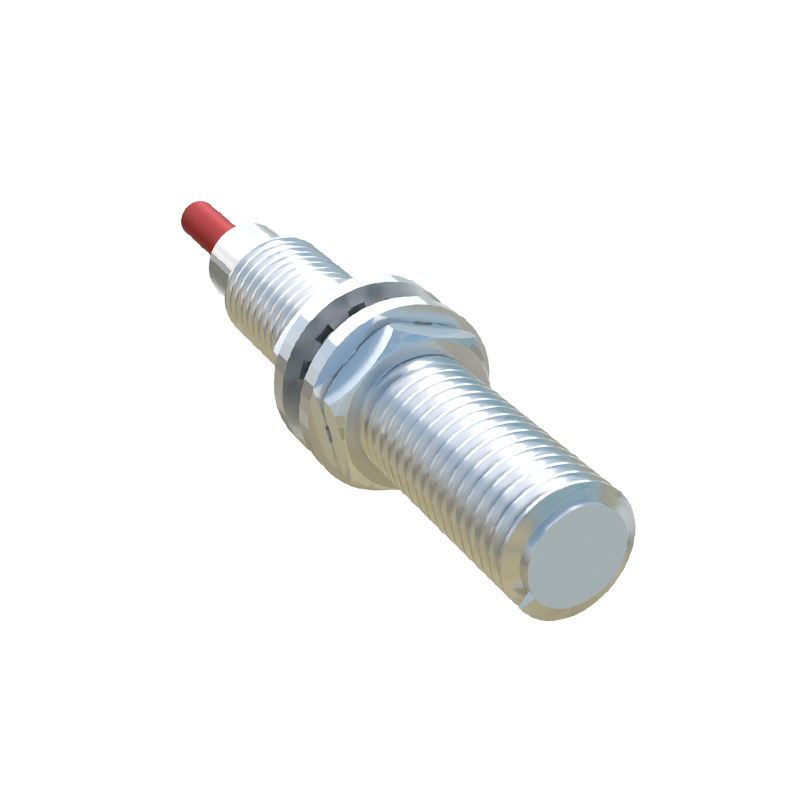
The choice of sensor housing material is equally crucial. Stainless steel housings, particularly types 316 or 316L, offer superior corrosion resistance against water and various chemicals used in water jet solutions. The sensing face material must also be robust; ceramic faces are highly recommended for their resistance to abrasion from flying particles and their non-corrosive properties. For detecting the presence or position of the cutting head, tool, or material, non-contact sensing is ideal to avoid mechanical wear. Inductive sensors are perfect for detecting the metal components of the machine itself, such as the piston in an intensifier pump or the position of a metal arm. However, if the target is non-metallic, such as a composite material being cut or a plastic guard, capacitive proximity sensors become the necessary choice, as they can detect both conductive and non-conductive materials.
Installation practices significantly impact sensor longevity. Sensors should be mounted in locations that minimize direct impact from the water jet's core stream and splash-back. Utilizing mounting brackets to position the sensor slightly off the direct line of fire is a prudent strategy. Conduit entries and cable glands must be sealed meticulously to prevent water from traveling along the cable into the electrical enclosure. Employing sensors with built-in surge protection and reverse polarity protection is advisable to guard against electrical noise and installation errors common in complex machine panels.
Signal output selection depends on the control system architecture. The traditional 3-wire DC (PNP or NPN) sensors are widely used for their simplicity and direct compatibility with Programmable Logic Controllers (PLCs). For applications requiring longer cable runs or enhanced noise immunity, analog output (4-20 mA or 0-10V) sensors can provide continuous position feedback, useful for monitoring pump stroke or head position. IO-Link enabled proximity sensors represent the next step in smart manufacturing, offering not just a switching signal but also diagnostic data like operating temperature, signal strength, and device health, enabling predictive maintenance.
Routine maintenance, though minimal for solid-state devices, is vital in harsh environments. A regular inspection schedule should include checking the sensor face for mineral deposits, paint overspray, or physical damage that could reduce the sensing range. The integrity of the cable and connector should be verified for cracks or wear. Functionality checks can be performed by manually triggering the sensor with a target and observing the control system's response. For IO-Link devices, monitoring the parameter set provided by the sensor software can alert operators to declining performance before a hard failure occurs.
In conclusion, specifying the correct proximity switch sensor for a water jet application is a deliberate engineering decision. It requires a thorough understanding of the environmental challenges, the target material, the required sensing distance, and the control system's needs. By prioritizing high IP ratings, corrosion-resistant materials, proper installation, and smart features for condition monitoring, engineers can ensure these critical components contribute to maximizing machine uptime, safety, and cutting precision. The initial investment in a ruggedized, application-specific sensor pays dividends through reduced downtime and maintenance costs over the machine's lifecycle.