In the expansive universe of Destiny 2, a first-person shooter with deep RPG mechanics, the collection and application of various components form a core part of player progression and gear optimization. From an electrical engineering and industrial design perspective, one of the most intriguing conceptual elements is the idea of a "Proximity Sensor Collection." While not a literal, physical component players handle, the underlying principles mirror real-world sensor technology used in automation, safety systems, and smart devices. This article explores the conceptual framework of proximity sensing as it applies to the Destiny 2 gameplay loop, drawing parallels to actual engineering practices.
In practical engineering, a proximity sensor is a device that detects the presence or absence of a nearby object without any physical contact. It often does so by emitting an electromagnetic field or a beam of electromagnetic radiation (like infrared or laser light), and looking for changes in the field or return signal. Common types include inductive (for metals), capacitive (for both metals and non-metals), ultrasonic, and photoelectric sensors. Their applications are vast, from detecting the position of a robotic arm on an assembly line to ensuring safety by sensing personnel near hazardous machinery.
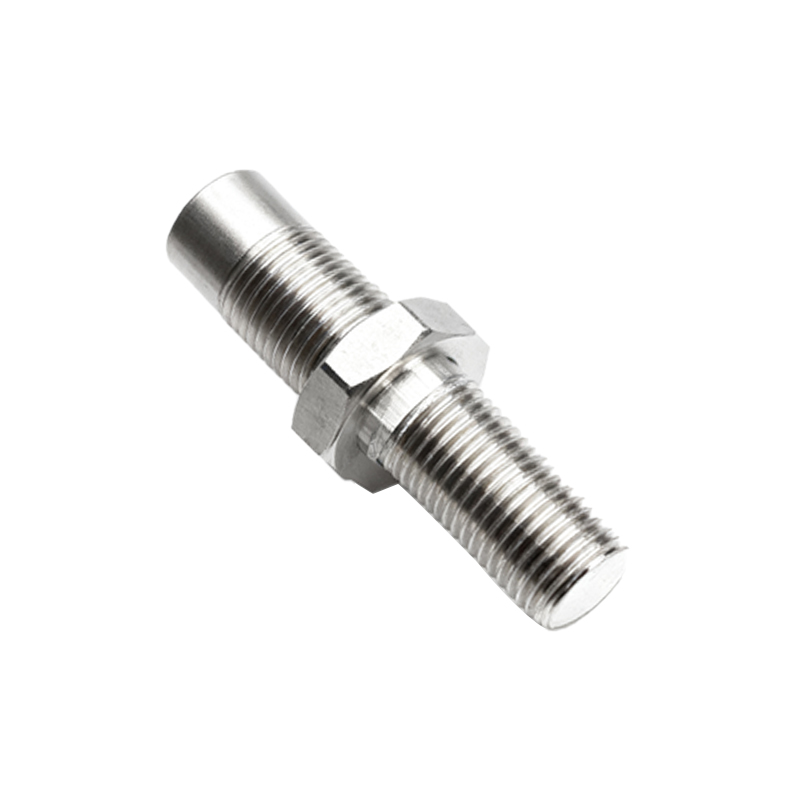
Translating this to Destiny 2, the "collection" of proximity sensors can be interpreted metaphorically. Guardians, the player characters, are constantly engaging with systems that require situational awareness and detection. For instance, the radar in the corner of the Heads-Up Display (HUD) is a quintessential proximity sensor interface. It abstracts complex detection algorithms into a simple, intuitive 360-degree display of nearby friendlies and hostiles. The act of "collecting" sensor data here is continuous and passive, feeding critical information for tactical decisions—much like a distributed sensor network feeds data to a central monitoring system in an industrial plant.
Furthermore, specific gameplay mechanics embody proximity-based triggers. Many exotic weapons and armor pieces have perks that activate "when enemies are nearby." For example, the exotic chest armor "The Path of Burning Steps" has a perk that triggers when the Guardian is near a Solar crystal or defeated a combatant with a Solar weapon. The game's engine is constantly running checks—akin to a software routine polling a hardware sensor—to determine if the player's coordinates satisfy the "proximity" condition for these perks to engage. Collecting and mastering gear with such perks is akin to an engineer selecting and integrating sensors with specific detection ranges and logic outputs for a custom automation solution.
Another layer is found in activities like the "Deep Stone Crypt" raid, which features puzzles and mechanics heavily reliant on positional awareness and timing, reminiscent of systems controlled by limit switches and light curtains. While not labeled as "proximity sensors," the mechanics require players to be in specific locations at precise times, triggering the next phase of the encounter. Successfully navigating these challenges is the functional equivalent of calibrating and relying on a highly reliable sensor array.
From a systems integration standpoint, a Guardian's loadout—their combination of weapons, armor, and mods—can be viewed as a personalized sensor and response suite. Mods such as "Striking Light" or "Protective Light," which activate based on combat conditions near allies or when shields are broken, introduce conditional logic gates. Building a character build around these synergies is analogous to designing a control system where the output (damage buff, damage resistance) is directly contingent on sensor inputs (proximity to allies, shield status).
The concept of "collection" also ties into the game's loot-driven economy. Players "collect" weapons and armor with these proximity-based perks. Each piece represents a different "sensor profile" with unique parameters—detection range (how close an enemy must be), response type (what buff or effect is granted), and reset logic (cooldown periods). An engineer might appreciate the min-maxing involved in creating a build, as it parallels selecting sensors from different manufacturers and series to achieve optimal system performance under expected operating conditions (e.g., PvE vs. PvP environments).
In conclusion, while Destiny 2 does not feature a literal inventory item called "Proximity Sensor," the entire gameplay experience is underpinned by principles of detection, positional logic, and conditional responses that are fundamental to sensor technology. The continuous "collection" of data via the HUD radar, the acquisition of gear with context-sensitive perks, and the execution of mechanics based on player location all create a rich, interactive system that abstractly mirrors the work done in designing and implementing proximity sensing solutions in the real world. For those with a background in electrical engineering, observing these systems in action provides a unique and entertaining perspective on applied sensor networks and automated control logic.
SEO