In the realm of industrial automation and control systems, the accurate detection of object presence, position, and motion is paramount. Two fundamental components that serve this critical function are pulse sensors and proximity switches. While their end goal—providing a reliable electrical signal based on a physical condition—is similar, their operating principles, applications, and output characteristics differ significantly. This article delves into the technical specifics of both devices, offering a clear comparison to guide selection for various engineering scenarios.
Understanding Proximity Switches
Proximity switches, often simply called proximity sensors, are non-contact devices that detect the presence or absence of a target object within a defined sensing range without any physical contact. They achieve this through various technologies, each suited to different materials and environments.
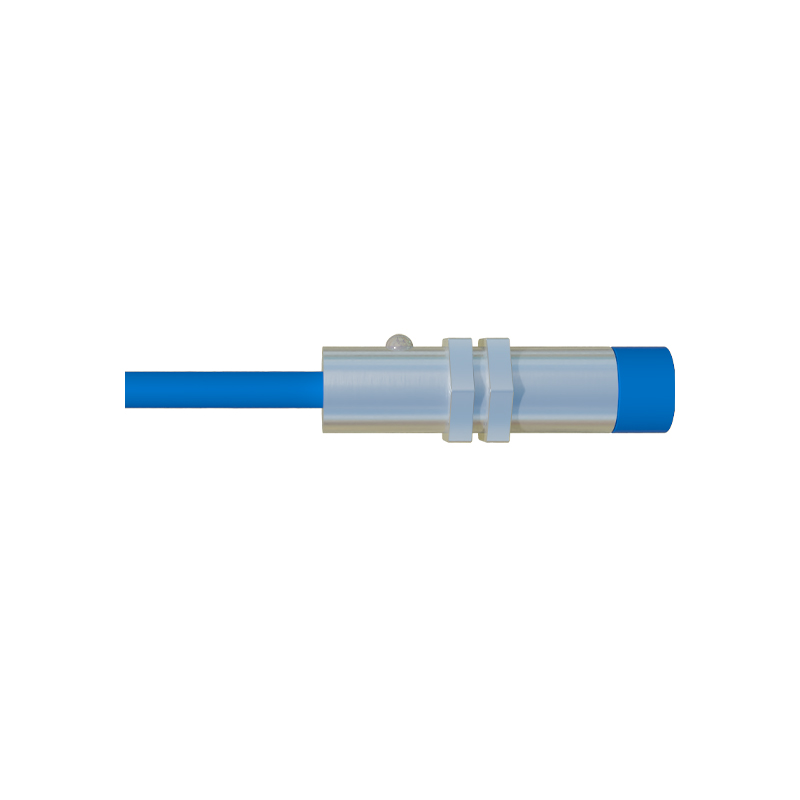
1. Inductive Proximity Sensors: These are the most common type for detecting metallic objects, primarily ferrous metals like steel and iron. They operate by generating an electromagnetic field from a coil in the sensor head. When a metal target enters this field, eddy currents are induced in the target, causing a change in the oscillation amplitude within the sensor. This change is detected by the internal circuitry, which then switches the output state (e.g., from OFF to ON). They are robust, resistant to dirt and moisture (often rated IP67 or higher), and ideal for harsh industrial environments like machine tools, conveyor systems, and robotic arms.
2. Capacitive Proximity Sensors: These sensors can detect both metallic and non-metallic materials, including liquids, plastics, glass, and wood. They function by generating an electrostatic field. Any object that enters this field alters the capacitance of the system, triggering a change in the output state. This makes them versatile for applications such as level detection in tanks, material handling of non-metallic products, and detecting filled vs. empty containers.
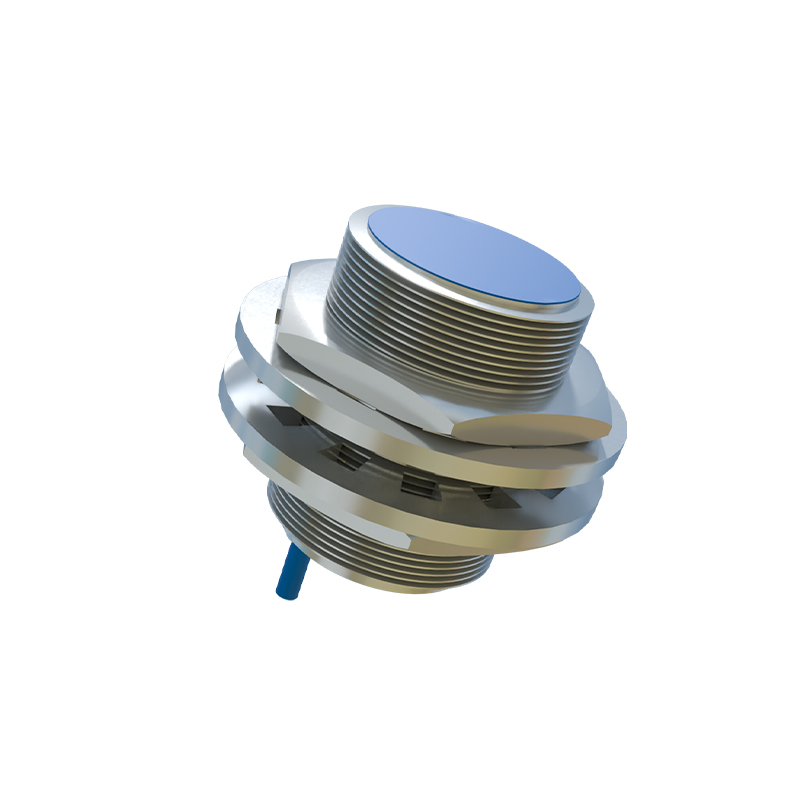
3. Photoelectric Sensors: While sometimes categorized separately, they perform a proximity-switching function using light. An emitter sends a light beam (visible, infrared, or laser) to a receiver. The detection occurs when an object interrupts (through-beam) or reflects (retro-reflective or diffuse) this beam. They offer very long sensing ranges and can detect virtually any material, making them perfect for packaging, material handling, and safety light curtains.
The output of a standard proximity switch is typically a simple digital signal: either a solid ON (e.g., 24V DC) or OFF (0V). This makes them perfect for straightforward presence/absence detection, counting, or as limit switches.
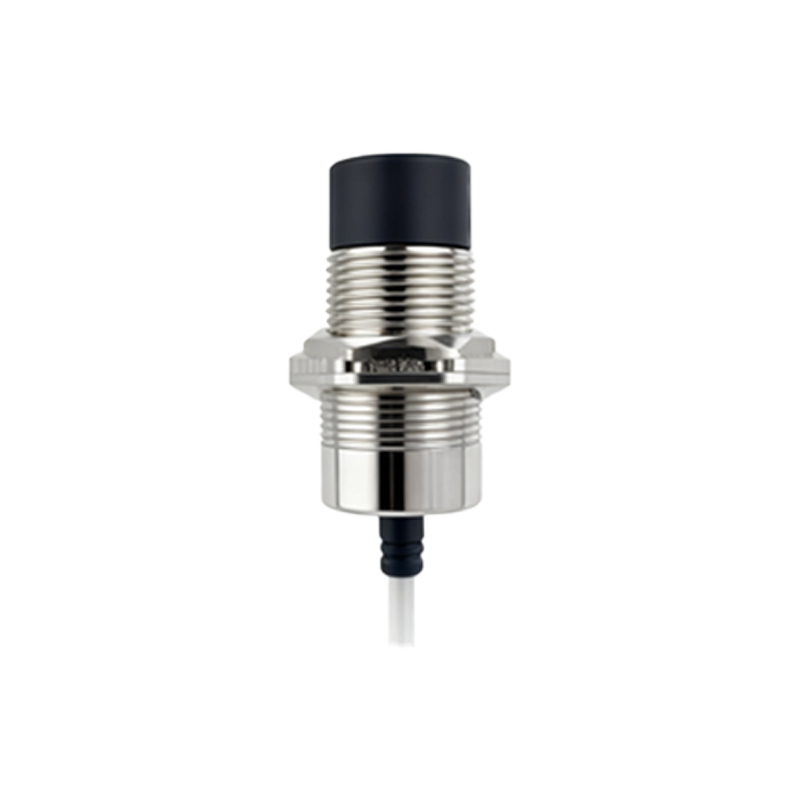
Understanding Pulse Sensors (Encoders)
The term "pulse sensor" is commonly associated with rotary or linear encoders. These are transducers that convert mechanical motion—specifically position, speed, or direction—into a series of digital electrical pulses. Unlike a proximity switch that gives a single ON/OFF per detection, an encoder outputs a continuous stream of pulses proportional to the movement.
1. Incremental Encoders: These generate a series of pulses as the shaft rotates. The number of pulses corresponds to the angle of rotation (position relative to a starting point), and the frequency of the pulses corresponds to the rotational speed. They typically provide two main pulse channels (A and B) phased 90 degrees apart, allowing the determination of rotation direction by checking which channel leads the other. A third "Z" or index pulse is often included to provide a single reference pulse per revolution. They are widely used in motor speed control, conveyor belt tracking, and CNC machinery.
2. Absolute Encoders: These provide a unique digital code (binary or Gray code) for each distinct shaft position throughout its 360-degree rotation. This means they provide the exact angular position at any moment, even after a power loss. They are essential for applications where knowing the absolute position is critical, such as in robotic arms, telescope positioning, or automated warehouse cranes.
The output from an encoder is a train of pulses or a specific digital word. This data is fed into a controller (like a PLC or motion controller) to precisely monitor or govern the motion of a system.
Key Differences and Selection Criteria
Choosing between a proximity switch and a pulse sensor (encoder) depends entirely on the application's requirements:
Function: Use a proximity switch for simple object detection, end-of-travel limits, or counting discrete objects passing a point. Use a pulse sensor/encoder when you need to measure speed, precise position, direction, or length of continuous material.
Output: Proximity switches offer a binary (ON/OFF) signal. Encoders provide a pulse train or digital position code.
Application Example: Detecting if a metal part is in place on a fixture calls for an