In the realm of industrial automation, proximity sensors are indispensable components that detect the presence or absence of objects without physical contact. As an experienced electrical engineer, I often encounter questions about how to choose the right sensor model for specific applications. This article delves into the key distinctions between various proximity sensor models, focusing on their operating principles, sensing ranges, output types, and environmental suitability to guide professionals in making informed decisions.
Proximity sensors primarily fall into categories based on their detection technology: inductive, capacitive, ultrasonic, and photoelectric. Inductive sensors are widely used for detecting metallic objects. They generate an electromagnetic field and sense changes when a metal target enters this field. Models vary in sensing distance, typically ranging from 1 mm to 60 mm, with factors like target material (e.g., steel vs. aluminum) affecting performance. For instance, a standard inductive sensor might have a nominal range of 10 mm for steel, but only 5 mm for aluminum due to differences in conductivity. High-frequency models offer faster response times, suitable for high-speed production lines, while analog versions provide continuous distance measurement for precision positioning tasks.
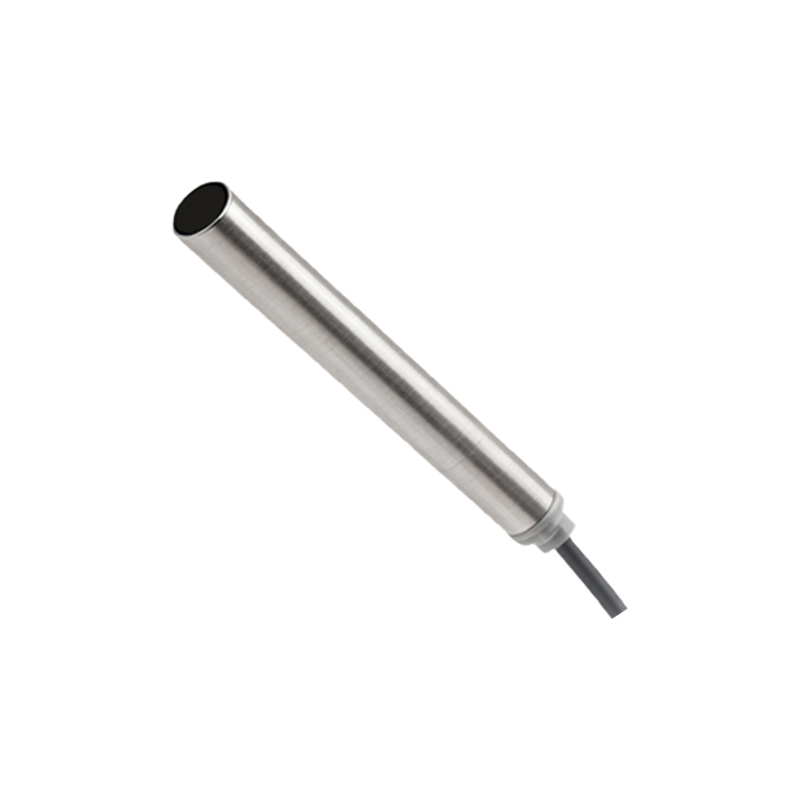
Capacitive sensors, on the other hand, can detect both metallic and non-metallic materials, including liquids, plastics, and wood. They operate by measuring changes in capacitance caused by the target's dielectric properties. Models differ in sensitivity adjustment capabilities, allowing customization for materials with varying permittivity. For example, in packaging industries, capacitive sensors with adjustable sensitivity are chosen to detect transparent films or granular substances. Sensing ranges are generally shorter than inductive types, often up to 25 mm, but specialized models extend to 40 mm for bulk material level detection in tanks.
Ultrasonic sensors use sound waves to measure distance or detect objects, making them versatile for harsh environments where dust, moisture, or temperature fluctuations are concerns. Key model variations include operating frequency (e.g., 40 kHz vs. 200 kHz), with higher frequencies providing finer resolution but shorter ranges. Some models feature temperature compensation to maintain accuracy in variable conditions, while others offer analog or digital outputs for integration with PLCs. In automotive assembly, ultrasonic sensors with robust housings (IP67 rating) are preferred for outdoor or washdown areas, whereas compact models suit space-constrained robotic arms.
Photoelectric sensors employ light beams (infrared, visible, or laser) for detection, with models categorized into through-beam, retro-reflective, and diffuse-reflective types. Through-beam models consist of separate emitter and receiver units, offering long ranges up to 100 meters and high reliability in dirty environments. Retro-reflective models use a reflector to bounce light back, with ranges around 10 meters, but may struggle with shiny targets. Diffuse-reflective models have a single unit that detects light reflected directly from the target, suitable for short-range applications like object counting on conveyors. Advanced models incorporate background suppression technology to ignore distant objects, enhancing accuracy in complex setups.
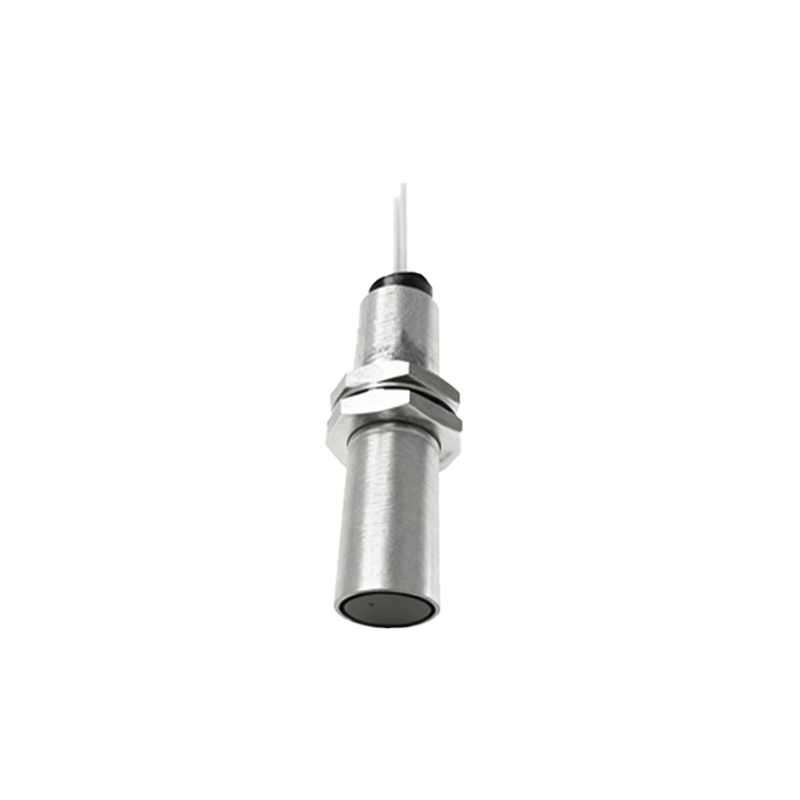
Output configurations further differentiate sensor models. Common options include NPN (sinking) and PNP (sourcing) transistor outputs, with NPN being standard in Asia and PNP in Europe and North America. Relay outputs are used for high-power applications, while analog outputs (4-20 mA or 0-10 V) enable proportional control. For network integration, IO-Link models provide digital communication for real-time diagnostics and parameter adjustments, reducing downtime in smart factories.
Environmental factors like temperature, humidity, and chemical exposure also influence model selection. Stainless steel housings with IP68 or IP69K ratings are essential for food processing or marine applications, whereas plastic housings suffice for clean indoor settings. Additionally, models with M12 or M8 connectors simplify wiring, but quick-disconnect versions facilitate maintenance in high-vibration machinery.
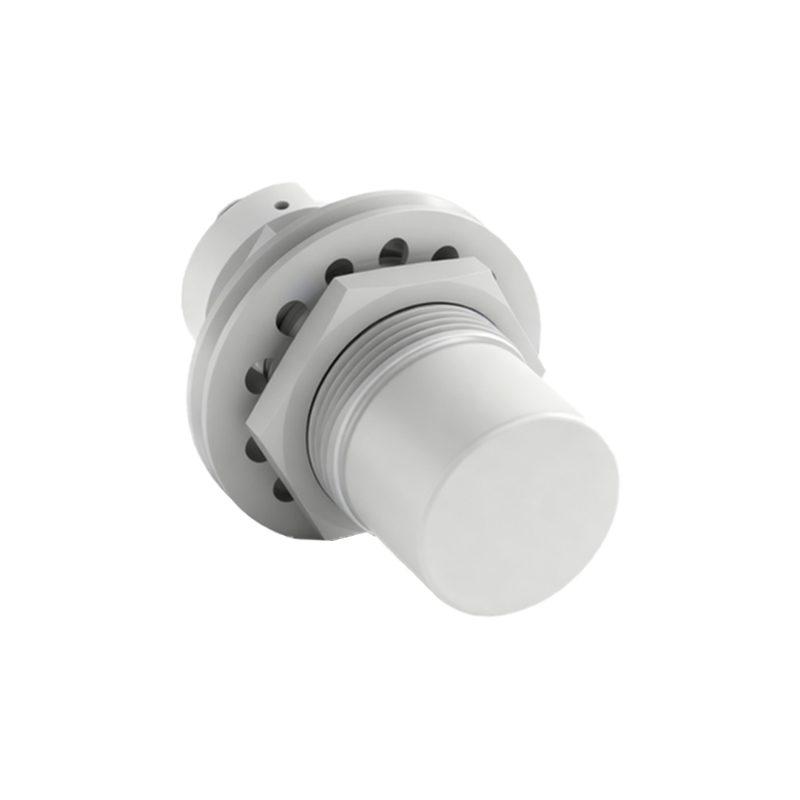
In summary, selecting the right proximity sensor model requires a thorough analysis of target material, required sensing distance, environmental conditions, and output compatibility. By understanding these distinctions, engineers can optimize system performance, reduce costs, and enhance reliability in diverse industrial scenarios. Always consult manufacturer datasheets for specific ratings and test sensors in real-world conditions to ensure suitability.