Laser proximity sensors are critical components in modern industrial automation, offering high precision, reliability, and versatility for non-contact detection and measurement. These sensors operate based on the principle of emitting a focused laser beam toward a target object and analyzing the reflected light to determine distance, presence, or position. Unlike traditional mechanical or ultrasonic sensors, laser sensors provide exceptional accuracy—often within micrometers—and are unaffected by environmental factors like dust, noise, or color variations, making them ideal for demanding applications such as robotics, quality control, and assembly lines.
The core working mechanism involves a laser diode that generates a coherent, monochromatic light beam. This beam is directed through a lens system to create a narrow, concentrated spot on the target. When the light hits the object, it reflects back toward the sensor, where a photodetector (e.g., a CCD or PSD array) captures the returning signal. The sensor’s internal electronics then calculate the distance or displacement using one of two primary methods: triangulation or time-of-flight (ToF).
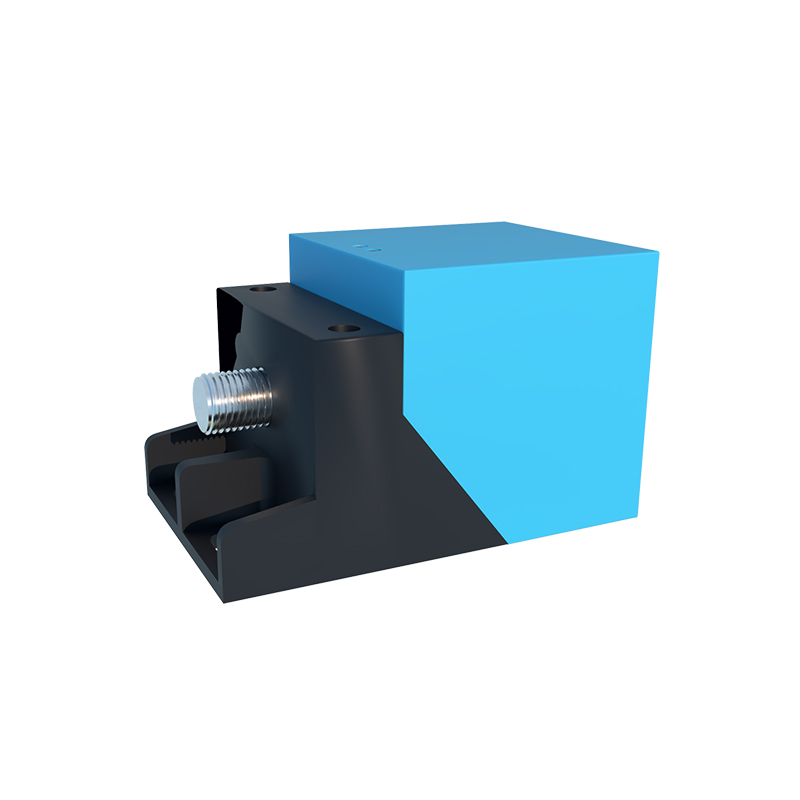
In triangulation-based sensors, the emitted laser beam, reflected beam, and detector form a geometric triangle. By measuring the angle or position of the reflected light on the detector, the sensor computes the distance to the object with high resolution. This method is particularly effective for short to medium ranges (up to several meters) and is widely used in precision manufacturing, such as verifying component dimensions or monitoring alignment.
Time-of-flight sensors, on the other hand, measure the round-trip time taken by the laser pulse to travel to the target and back. Since the speed of light is constant, the distance is derived from the formula: Distance = (Speed of Light × Time) / 2. ToF sensors excel in longer-range applications (e.g., over 10 meters) and are common in logistics, vehicle navigation, and bulk material level sensing. They offer fast response times but may have slightly lower accuracy compared to triangulation systems in close-range scenarios.
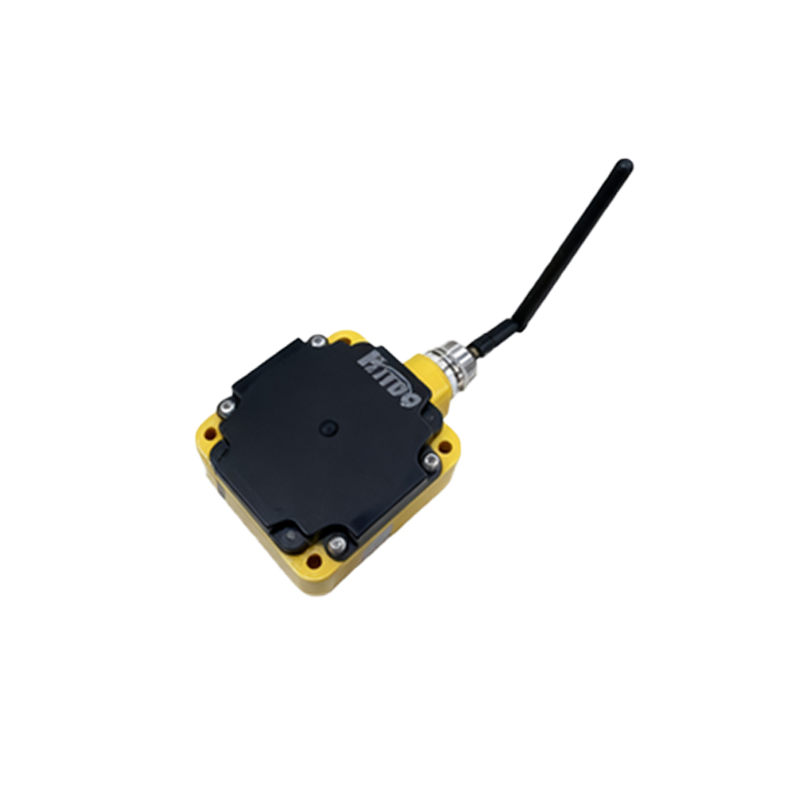
Advanced laser proximity sensors incorporate features like background suppression, which ignores reflections from surfaces beyond the set range, and teach-in programming, allowing easy calibration for different materials or colors. They can output analog signals (e.g., 4-20 mA or 0-10 V) or digital signals (e.g., IO-Link, Ethernet/IP) for integration with PLCs and control systems. In practice, these sensors enable tasks such as object counting, edge detection, fill-level monitoring, and robotic guidance, enhancing efficiency and reducing downtime in industries from automotive to pharmaceuticals.
Despite their advantages, laser sensors require careful installation to avoid interference from ambient light or highly reflective surfaces. Regular maintenance, like lens cleaning, ensures optimal performance. As technology evolves, innovations in miniaturization, energy efficiency, and smart sensing (e.g., AI-driven analysis) are expanding their role in Industry 4.0, paving the way for more adaptive and interconnected automation solutions.
In summary, laser proximity sensors leverage precise optical principles to deliver reliable, non-contact detection. Their ability to operate in harsh environments with minimal drift makes them indispensable for modern industrial systems, driving improvements in safety, quality, and productivity. Engineers selecting these sensors should consider factors like range, resolution, response time, and environmental conditions to match specific application needs.