In the dynamic landscape of industrial automation, the demand for reliable, non-contact sensing solutions is paramount. Proximity sensors, renowned for their ability to detect the presence or absence of an object without physical contact, are a cornerstone of modern manufacturing. A common inquiry among engineers and system integrators is: Can proximity sensors be effectively used for counting applications? The answer is a resounding yes, but with crucial technical considerations that determine the success and accuracy of such implementations.
Fundamentally, a proximity sensor operates by emitting an electromagnetic field or a beam of electromagnetic radiation (like infrared light) and then monitoring for changes in the field or the return signal. Inductive sensors detect metallic objects, capacitive sensors detect both metallic and non-metallic materials, and photoelectric sensors use light beams. When an object enters the sensor's detection range, it triggers a discrete output signal—typically a change from a high to low voltage state or vice-versa. This discrete "on/off" pulse is the foundational element for counting.
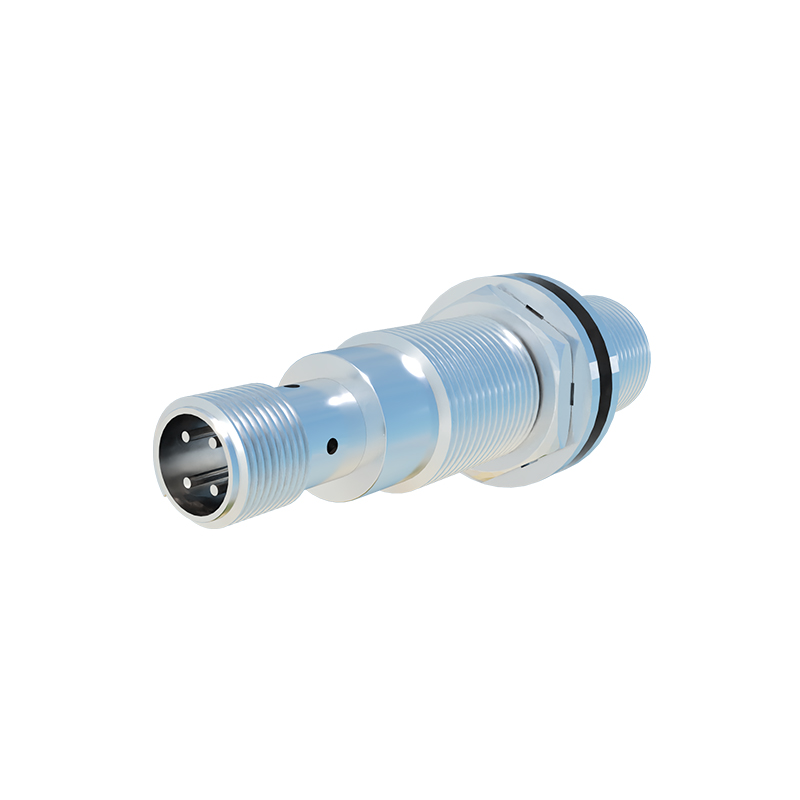
The process of counting with a proximity sensor is inherently linked to the controller it is connected to, such as a Programmable Logic Controller (PLC), a dedicated counter module, or even a microcontroller. The sensor acts as the input device. Each time an object passes by, it generates a single pulse. This pulse is sent to the controller's high-speed input or counter input. The controller's logic is programmed to increment a counter register with each received pulse. For example, in a bottling plant, a capacitive proximity sensor positioned near the conveyor line can detect each plastic bottle, sending a pulse to the PLC to tally the total production run.
However, the straightforward concept belies several technical challenges that must be addressed to ensure accurate counts. The primary issue is sensor response time and object speed. Every proximity sensor has a specified maximum switching frequency (e.g., 1 kHz or 5000 Hz). This defines how many on/off cycles it can reliably perform per second. If objects on a fast-moving conveyor pass by at a rate exceeding this frequency, the sensor may miss counts. The calculation is critical: Object Count Rate (per second) must be less than the sensor's maximum switching frequency.
Another significant challenge is object separation and multiple triggering. If objects are too close together, a single sensor might interpret them as one long object, generating only one pulse instead of two. Conversely, irregularly shaped objects or vibration might cause the sensor to "chatter," generating multiple pulses for a single item. Solutions involve careful sensor selection and positioning. Choosing a sensor with a narrow, focused sensing field can improve discrimination between closely spaced items. Adjusting the sensing distance to the minimum reliable point can also help. For photoelectric sensors, using a through-beam setup (separate emitter and receiver) often provides the most precise detection point compared to diffuse-reflective types.
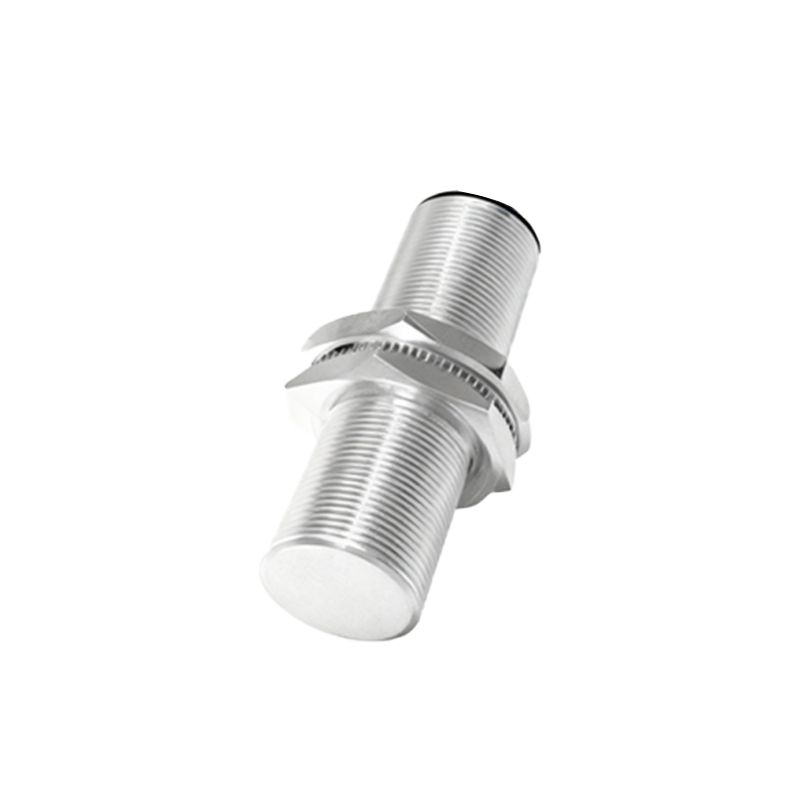
Environmental factors play a substantial role. Inductive sensors are immune to dust and dirt but only work with metals. Capacitive sensors can be affected by humidity or material consistency. Photoelectric sensors may struggle in environments with heavy airborne contamination or ambient light interference. Selecting the correct sensor technology (inductive, capacitive, photoelectric, or ultrasonic) for the specific object and environment is the first step in designing a robust counting system.
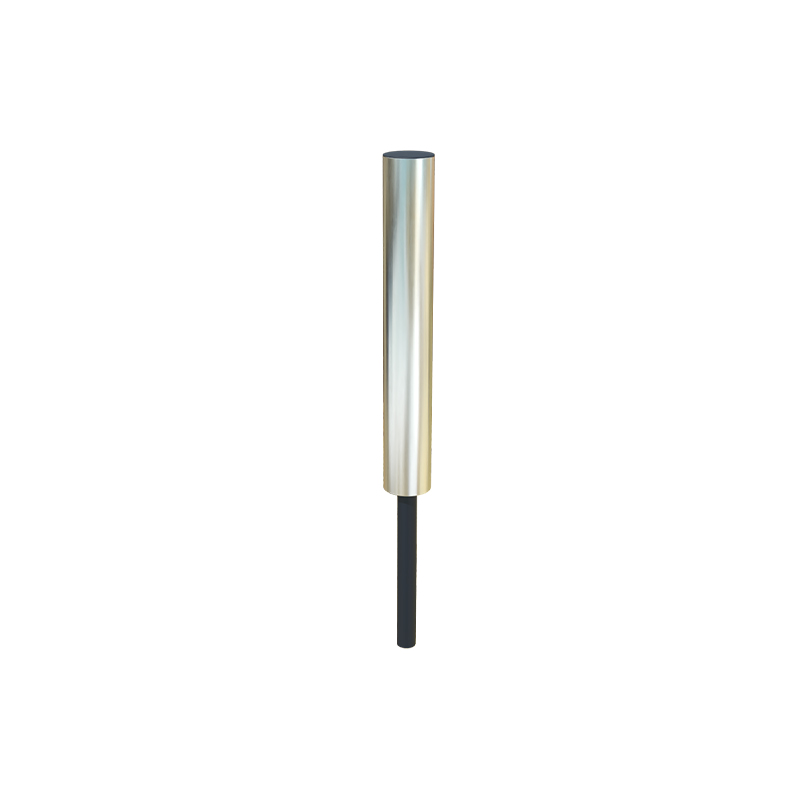
For high-speed or high-accuracy counting, a single sensor might not suffice. Engineers often employ dual-sensor setups or encoder-based systems. A classic method uses two sensors spaced a precise distance apart. The controller logic can use the sequence of activation from Sensor A then Sensor B to confirm a single item's passage and reject false triggers from vibration or jitter. For precise measurement and counting on variable-speed conveyors, a rotary encoder attached to the conveyor drive shaft provides a pulse train proportional to conveyor movement. The system can then use this encoder feedback in conjunction with the proximity sensor's object-detection pulse to calculate position-based counts, eliminating errors due to conveyor speed changes.
In conclusion, proximity sensors are not only capable of counting but are extensively used for this purpose across countless industries, from packaging and automotive to food and beverage. Their success hinges on a meticulous application design process: selecting the appropriate sensor type with adequate speed specifications, precisely calibrating its installation position and sensing distance, implementing protective measures against environmental interference, and designing fail-safe logic within the controlling system. When these parameters are correctly aligned, a proximity sensor transforms from a simple presence detector into a highly reliable, non-contact counting device, driving efficiency and data accuracy on the factory floor.