In industrial environments where flammable gases, vapors, mists, or combustible dusts are present, the risk of explosion is a constant and critical concern. Standard electrical equipment, including sensors, can become ignition sources due to arcs, sparks, or high surface temperatures. This is where explosion-proof (Ex) certified equipment, specifically designed for hazardous areas, becomes non-negotiable. Among these, explosion-proof proximity sensors are fundamental components for enabling safe, reliable, and automated operations in sectors such as oil & gas, chemical processing, mining, grain handling, and pharmaceuticals.
Understanding the Hazard and the Protection
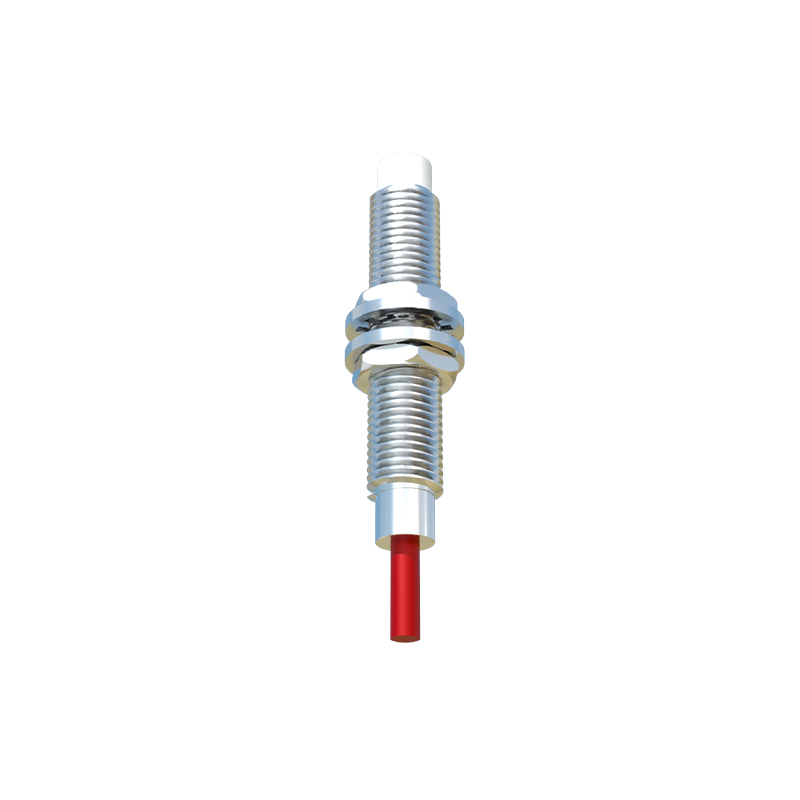
The core principle behind explosion-proof design is containment. Unlike intrinsic safety, which limits electrical energy to prevent ignition, an explosion-proof enclosure is engineered to withstand an internal explosion of a specific flammable substance. It must prevent the internal explosion from igniting the surrounding hazardous atmosphere. This is achieved through robust construction—typically from heavy-duty materials like stainless steel or brass—with precisely machined flanges or threaded joints. These joints are designed to cool hot gases escaping from an internal explosion below the ignition temperature of the external atmosphere, a process known as flame-path cooling. The enclosure also must have sufficient strength to contain the pressure of an internal blast.
Key Design Features of Explosion-Proof Proximity Sensors
Modern explosion-proof proximity sensors integrate this protective philosophy with advanced sensing technology. Common sensing principles include inductive (for detecting metals), capacitive (for detecting both metals and non-metals), and ultrasonic. Regardless of the technology, several design features are paramount:
1. Robust Enclosure: The housing is the first line of defense. It must meet stringent standards for material, thickness, and ingress protection (usually IP67 or higher) to resist environmental factors like corrosion, moisture, and physical impact.
2. Flame-Path Joints: The connection between the sensor body and its cover, or conduit entries, features specially engineered gaps and lengths. These are critical for quenching flames and cooling gases.
3. Certified Components: Internal electronics are often potted or sealed to prevent internal arcing and to withstand vibration. The sensing face is typically made of a material like PEEK or ceramic that maintains integrity under harsh conditions.
4. Temperature Classification: Every device is assigned a Temperature Class (T1 to T6) or a maximum surface temperature. This rating ensures the sensor's surface, even under fault conditions, will not exceed the auto-ignition temperature of the specific gases or dusts in the area.
Standards and Certifications: Navigating the Global Landscape
Compliance with international and regional standards is not optional; it is a legal and safety requirement. Key standards include:
IECEx (International Electrotechnical Commission Explosive Atmospheres): A global certification scheme facilitating international trade.
ATEX (Atmosphere Explosible - EU Directive 2014/34/EU): Mandatory for equipment used in the European Union. It defines equipment groups and categories (e.g., Category 1 for Zone 0, Category 2 for Zone 1, Category 3 for Zone 2 for gases; similar for dust).
NEC / NFPA 70 (National Electrical Code - USA): Classifies hazardous locations by Class, Division, and Group. The newer NEC articles also recognize the Zone system (similar to IEC/ATEX). UL or FM approvals are common North American marks.
IEC 60079 Series: The foundational international standard covering various protection techniques like flameproof enclosure "d" (Ex d), increased safety "e" (Ex e), and intrinsic safety "i" (Ex i).
Understanding the Zone or Division classification of the installation area is essential for selecting the correct sensor. For instance, a Zone 1 (ATEX) or Division 1 (NEC) area requires a higher level of protection (e.g., Ex d or Ex e) compared to a Zone 2 or Division 2 area.
Application Considerations and Best Practices
Selecting and installing an explosion-proof proximity sensor requires careful planning:
Correct Certification Match: The sensor's certification must match the specific hazardous area classification (Gas Group, Temperature Class, Zone/Division).
Environmental Suitability: Consider factors beyond explosion risk: extreme temperatures, washdown procedures, chemical exposure, and mechanical shock.
Proper Installation: This is critical. Follow manufacturer guidelines meticulously for torque specifications on flame-path joints and conduit seals. Incorrect installation can completely compromise the explosion-proof integrity.
Maintenance and Inspection: Regular inspection for damage to the enclosure, especially the flame-path surfaces, is vital. Any repairs or modifications must be performed by qualified personnel to maintain the certification.
The Future: Integration