In hazardous industrial environments where flammable gases, vapors, or combustible dusts are present, the correct installation of explosion-proof proximity sensors is not merely a matter of functionality but a critical safety imperative. These robust devices, designed to detect the presence or absence of an object without physical contact, must be installed with meticulous attention to detail to maintain the integrity of their explosion-proof protection. This guide outlines the essential steps, considerations, and best practices for ensuring a safe and reliable installation.
Prior to any installation activity, a comprehensive risk assessment of the specific area is mandatory. Verify the exact hazardous area classification (e.g., Zone 0, 1, 2, or Division 1, 2 as per relevant standards like ATEX, IECEx, or NEC) for which the sensor is certified. The sensor's marking must precisely match this classification. Never install a device with a lower protection level than required for the zone. Gather all necessary tools, ensuring they are suitable for use in potentially explosive atmospheres if work is conducted in the live area, and carefully review the manufacturer's installation manual specific to the sensor model.
The selection of the mounting location is paramount. Consider the sensor's sensing range, the target material, and the required switching frequency. Ensure there is adequate clearance around the sensor body to facilitate proper heat dissipation and to allow for future maintenance or replacement. The mounting surface must be stable, vibration-resistant, and capable of supporting the sensor's weight. Crucially, the installation must preserve the explosion-proof integrity of the entire assembly. This begins with the conduit system.
Explosion-proof proximity sensors are typically installed using certified explosion-proof conduit fittings and enclosures. The conduit system forms a sealed path that prevents an internal explosion from propagating to the external hazardous atmosphere. When threading the conduit into the sensor's integral enclosure or a separate certified junction box, use appropriate sealing fittings, such as conduit seals or gland plates. These are designed to contain pressure and block flame paths. Follow the manufacturer's specified torque values precisely when tightening cable glands and conduit connections. Overtightening can damage threads and compromise the seal, while undertightening fails to achieve the necessary flameproof joint.
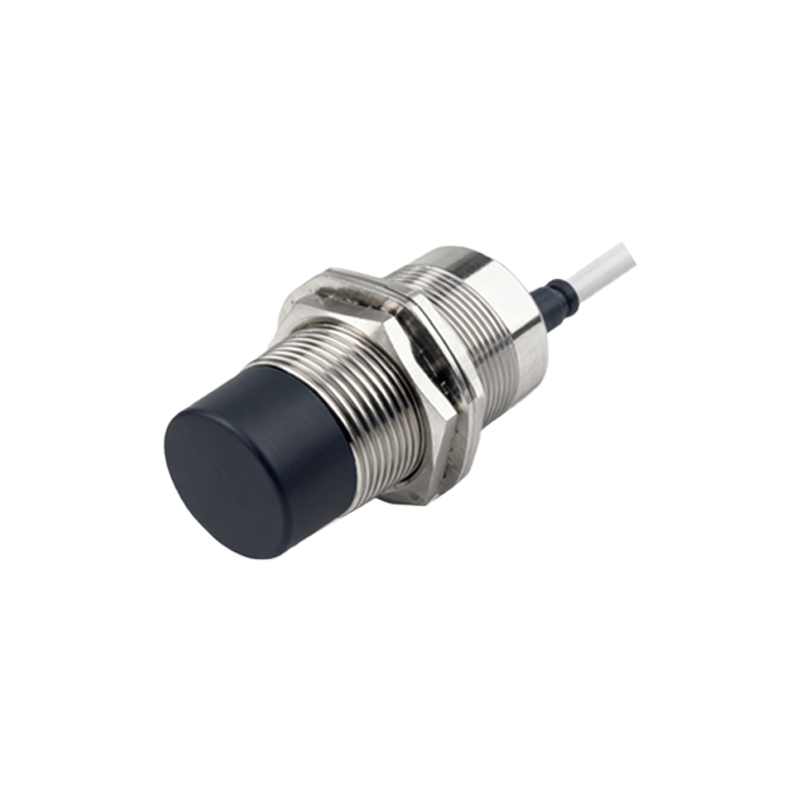
Wiring must be executed with extreme care. Use only cables approved for the application and environmental conditions. Strip the cable to the recommended length, ensuring no stray strands are present. Connect the wires securely to the correct terminals (typically for power supply, output signal, and ground) as per the wiring diagram. A proper and secure ground connection is vital for safety and to prevent electromagnetic interference. After connections are made, carefully place the wires inside the enclosure to avoid pinching when the cover is reinstalled.
The explosion-proof seal is the heart of the safety system. Before closing the sensor's enclosure or junction box, inspect the sealing surfaces (flanges) meticulously. They must be completely clean, free of old gasket material, dust, paint, or any damage. Even a small particle can create a path for flames. Install a new, compatible gasket if required by the design. Apply the manufacturer-recommended torque sequence and values to all bolts securing the cover. This ensures even pressure distribution across the sealing surface, creating the flameproof barrier.
Following mechanical installation, functional testing is essential. Before applying power, double-check all wiring connections. Once powered, verify the sensor's detection performance using the target material. Observe the indicator LED (if present) and monitor the output signal. Ensure the sensor activates and deactivates reliably at the intended distance without false triggering. It is advisable to perform a preliminary test in a safe area if possible.
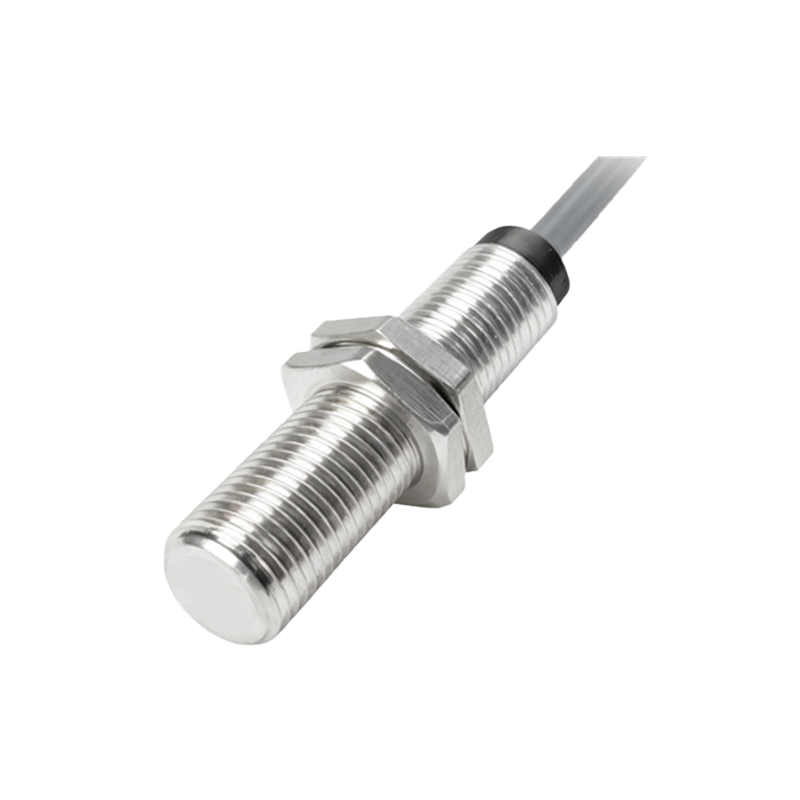
Finally, comprehensive documentation is a critical, often overlooked step. Update area classification drawings, equipment lists, and loop diagrams. Record the sensor's model number, serial number, certification details, installation date, location, and torque values applied. This documentation is invaluable for future maintenance, safety audits, and troubleshooting.
Regular inspection and maintenance are required to sustain the explosion-proof protection over the sensor's lifecycle. Periodically check for physical damage, corrosion, and integrity of conduit connections. Ensure that sealing surfaces remain uncompromised and that no unauthorized modifications have been made. Adherence to these detailed procedures ensures that explosion-proof proximity sensors perform their vital role reliably while upholding the highest standards of safety in hazardous locations, protecting both personnel and critical assets from the risks of ignition.